NLRB guidance explains how McDonald’s workers can file charges
The NLRB lays out how crew members and shift leads can file unfair labor practice charges, what to include, and what to expect during investigations. This matters for workers seeking protection when organizing, speaking up, or reporting retaliation.
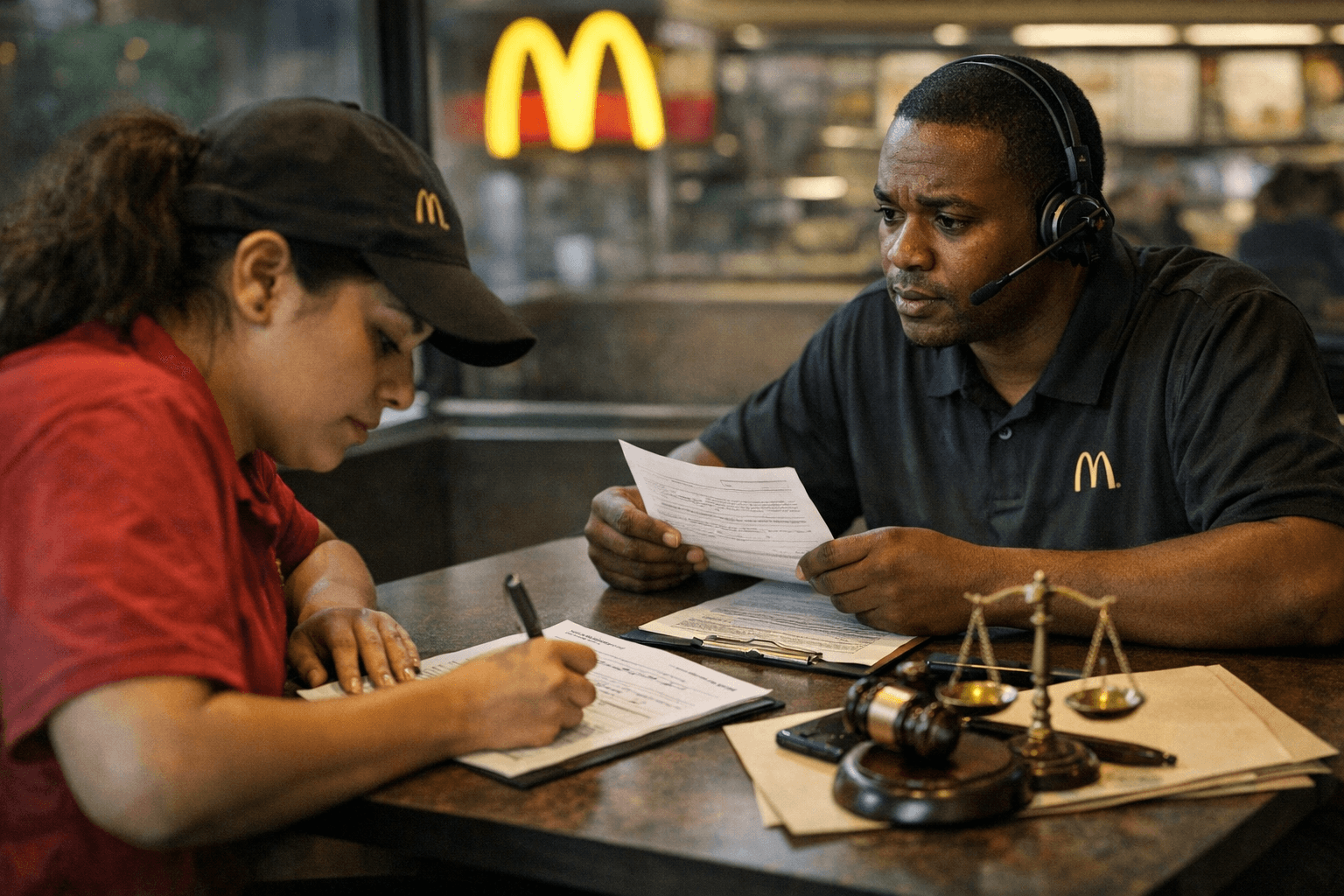
The National Labor Relations Board enforces the National Labor Relations Act and is the federal channel workers use to report unfair labor practices, including unlawful interference with conversations about pay and working conditions, organizing, or other concerted activity. For McDonald’s crew, shift leads, and other frontline restaurant workers, the agency offers practical filing tools, multilingual resources, and regional assistance to make the process accessible.
Employees can submit charges or representation petitions using the NLRB’s online e-filing system or downloadable fillable forms. Many regional offices accept e-filings and maintain information officers who can explain options and help complete paperwork. The agency also publishes “Know Your Rights” materials in multiple languages and has expanded web resources and customer-service standards intended to assist frontline workers.
There are several practical rules to keep in mind. Workers generally must file a charge within six months of the alleged unlawful act. A valid charge should include essential details: dates of incidents, names of the employer representatives involved, specifics about what happened, and any witnesses or supporting evidence. After a charge is filed, the NLRB typically investigates by collecting documents, conducting interviews, and evaluating the facts. The agency often seeks settlements; most meritorious cases resolve without a formal hearing. If settlement cannot be reached, the NLRB may issue a formal complaint and proceed to a hearing before an administrative law judge.
For employees at McDonald’s, including those at franchised restaurants, the NLRB can accept and investigate charges against the restaurant employer, the franchisee. In some cases, allegations may implicate corporate practices as well. Whether the agency pursues remedies against a franchisee, corporate McDonald’s, or both depends on the specific facts and legal findings in each case.
The NLRB’s regional offices provide contact information, filing links, and local guidance; workers can use these channels to ask questions about representation petitions, unfair labor practice charges, and the investigation timeline. The agency’s online resources include step-by-step filing instructions and outreach materials designed for nonlawyer audiences.
For workers weighing whether to file, the NLRB process can protect collective speech and organizing activity, and it can offer remedies for unlawful discipline or retaliation. Knowing the six-month deadline, what to include in a charge, and what to expect during investigation helps crew members and shift leads make informed choices. Visit nlrb.gov for regional contacts, e-filing links, and multilingual “Know Your Rights” resources to begin the process or to get local assistance.
Sources:
Know something we missed? Have a correction or additional information?
Submit a Tip