NLRB Guide Helps Restaurant Workers Protect Rights When Organizing, Complaining
NLRB information lays out how restaurant workers can legally organize, complain, and seek redress for retaliation, and explains filing steps and time limits that matter to employees.
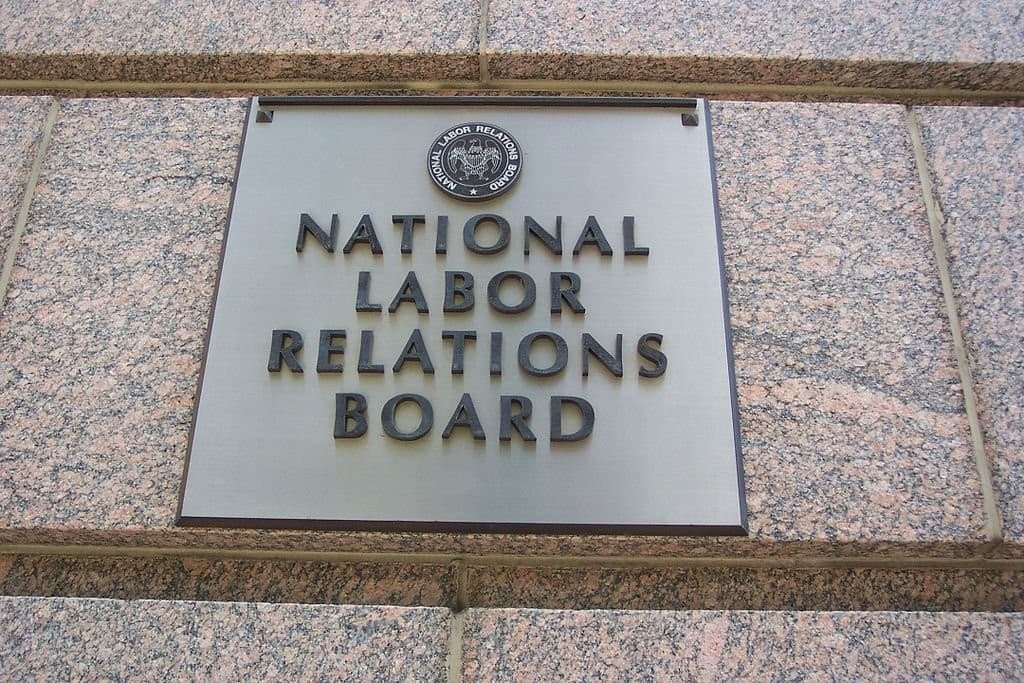
Restaurant workers who talk about wages, hours, tip policies or working conditions with coworkers, complain to management, or take part in union activity have protections under federal labor law when their actions are concerted. The National Labor Relations Board explains what counts as protected concerted activity, how to file an unfair labor practice charge, the time limits for doing so, and which categories of workers are covered or excluded.
Protected concerted activity includes both group actions and some actions taken by an individual on behalf of coworkers. That covers common front-of-house and back-of-house interactions: servers swapping stories about tip pooling, cooks discussing split shifts, hosts raising scheduling conflicts with managers, or workers supporting a co-worker’s organizing effort. Employers may not lawfully threaten, discipline or discharge employees for engaging in these activities. That protection is crucial in restaurants, where staffing, tip rules, sidework assignments and last-minute schedule changes are constant sources of friction.
There are limits. Certain categories of workers are excluded from National Labor Relations Act coverage, including supervisors and independent contractors. The law also distinguishes between protected communications and conduct that may not be protected if it crosses into serious misconduct. Workers who believe they have been punished for protected activity should document the incident, keep records of communications, and gather witness names and timelines to support a complaint.
To seek remedy, employees can file an unfair labor practice charge with the NLRB. Time limits apply for filing complaints, so prompt action matters. The NLRB website provides step-by-step details on how to file and what to expect during the agency’s process. The site also explains which workers are covered by the law and which are excluded, helping employees and advocates determine whether the NLRA applies in a particular situation. For forms and instructions, visit nlrb.gov/about-nlrb/rights-we-protect/your-rights/employee-rights.

For workplace advocates and shop-floor organizers, these protections change the dynamics of raising issues. Knowing that collective discussion of wages or scheduling is often protected reduces the chilling effect of managerial threats and can make it safer to push for changes through coordinated action. At the same time, managers and owners should review how they respond to employee complaints to avoid steps that could be construed as unlawful retaliation.
What this means for restaurant staff is practical and immediate: talk clearly with coworkers about problems, document retaliation, and act quickly if management punishes protected activity. The NLRB’s materials provide the legal basics and procedural steps workers need to exercise their rights and seek enforcement when those rights are violated.
Know something we missed? Have a correction or additional information?
Submit a Tip