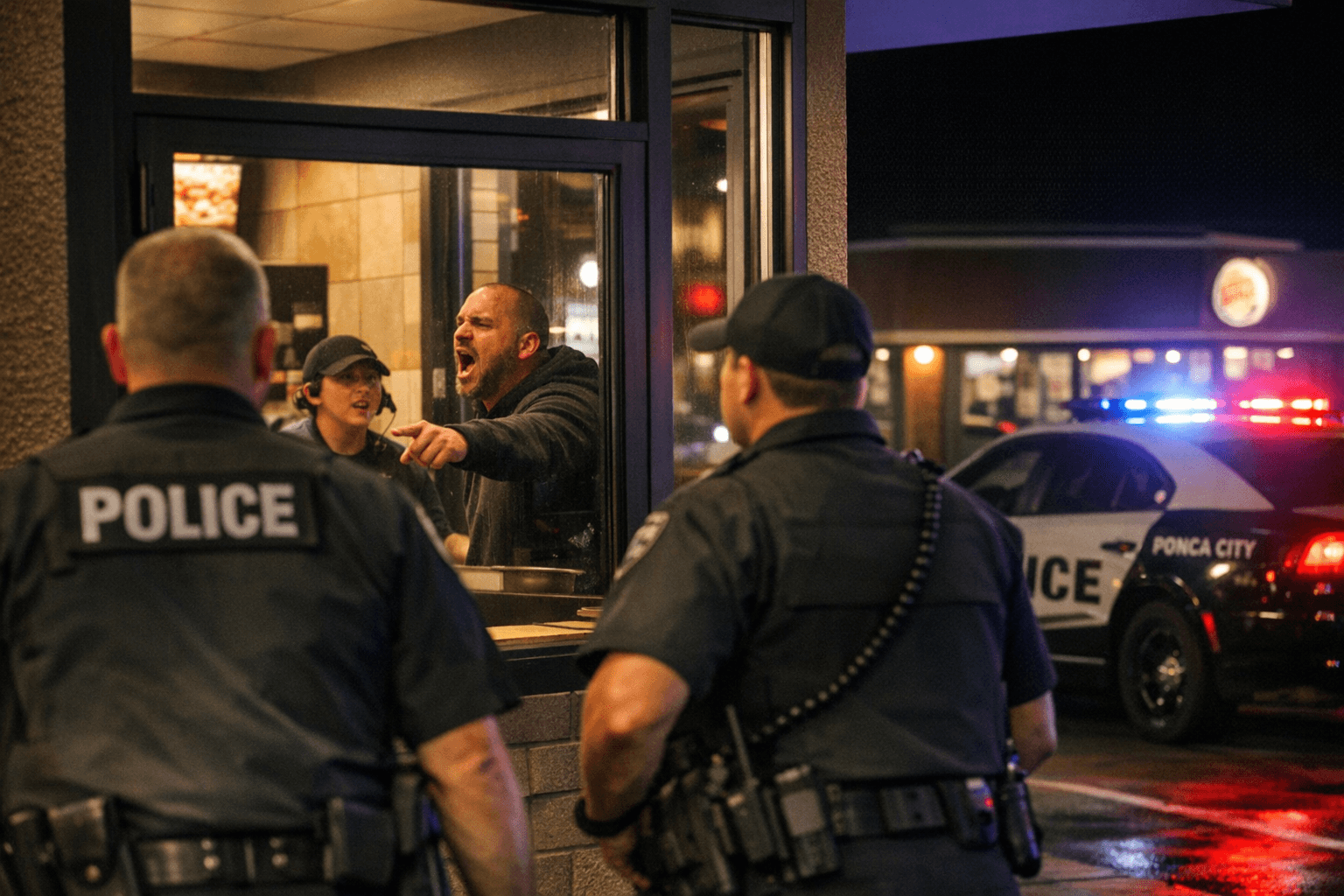
NLRB issues Rights We Protect guide for Taco Bell workers
NLRB guidance explains Taco Bell crew members’ rights to discuss pay, safety and organizing, how to document retaliation, and where to file charges with regional offices.
Taco Bell crew members have legal protections when they act together - or sometimes even when one worker speaks on behalf of others - to improve wages, hours or working conditions. Section 7 of the National Labor Relations Act protects “protected concerted activity,” and workers who face retaliation can file charges with NLRB regional offices.
The core legal test centers on whether an action has a link to “mutual aid or protection” - whether the activity is aimed at workplace matters or employees’ interests as employees. Recent Board rulings have expanded the scope of protection to include some single-actor conduct and support for non-employees when that support benefits employees. The Board has also returned to a “totality of the record” analysis, stepping away from a narrower checklist approach used in 2019.
Examples that typically fall within protected concerted activity include employees discussing pay or benefits with one another, complaining about on-the-job safety hazards, wearing buttons or other advocacy paraphernalia at work, conversations on social media about common workplace issues, and contacting administrative agencies, customers, vendors, or the public about workplace problems. These actions do not guarantee protection in every factual setting, and the Board balances Section 7 rights against an employer’s need for an orderly workplace. Workers are advised to “maintain a defensible respectability” to reduce the risk that misconduct or insubordination will strip protection.
If management interferes, start by determining whether your employer took an adverse action. As the guidance states, “An adverse action is any punishment your employer gives you for engaging in protected concerted activity.” Keep records of conversations, emails, timestamps, witness names and any disciplinary notices. Decide whether you want legal help and consider filing a charge with the appropriate NLRB regional office; regional directors accept and investigate charges and can issue complaints when they find interference.

NLRB enforcement is shifting. Acting General Counsel Peter Sung Ohr announced his office will return to “vigorous enforcement” of employees’ Section 7 rights. Labor lawyers note the NLRB can be a low-cost forum for workers: “Unlike most of the discrimination statutes, an employee pursuing a claim under Section 7 does not need to retain private counsel. If the NLRB’s General Counsel finds merit to the allegations in the charge, it issues the complaint and prosecutes the matter at no cost to the employee.”
NLRB precedent shows how these rules play out. In one safety dispute, workers told supervisors they feared electrocution from exposed cables; supervisors responded by ordering discharge letters and hurling racial slurs, and the employees filed at the San Juan regional office, where a regional director issued a complaint alleging interference. In another case handled in Newark, an employee who admitted discussing raises was fired four days later; the Newark office found the firing unlawful and the matter settled for $25,000 in back pay. Older Board decisions remain instructive as well - for example, the Board affirmed an unlawful discharge finding in Greater Omaha Packing, case 17-CA-085735, in a March 12, 2014 decision.
For Taco Bell crew members preparing to raise concerns, document everything, keep conversations focused on workplace conditions, and preserve records. If you believe management retaliated, consider filing a charge with your regional NLRB office or seeking assistance. Worker-centered resources and contacts include the National Institute for Workers' Rights at 1800 Sutter Street, Suite 210, Concord, CA 94520; phone (415) 296-7629; Washington office c/o AFL-CIO, 815 Black Lives Matter Plaza NW, Washington DC 20006; fax (866) 593-7521; email listed as \protected email\. With enforcement priorities shifting and recent decisions broadening protection, crew who know their rights are better positioned to raise pay, safety or scheduling issues without suffering unlawful discipline.
Know something we missed? Have a correction or additional information?
Submit a Tip