NLRB 'Your Rights' pages explain protections for Trader Joe's crew
The NLRB 'Your Rights' pages explain workers' protections and how to file complaints. That matters to Trader Joe's crew evaluating organizing or workplace problems.
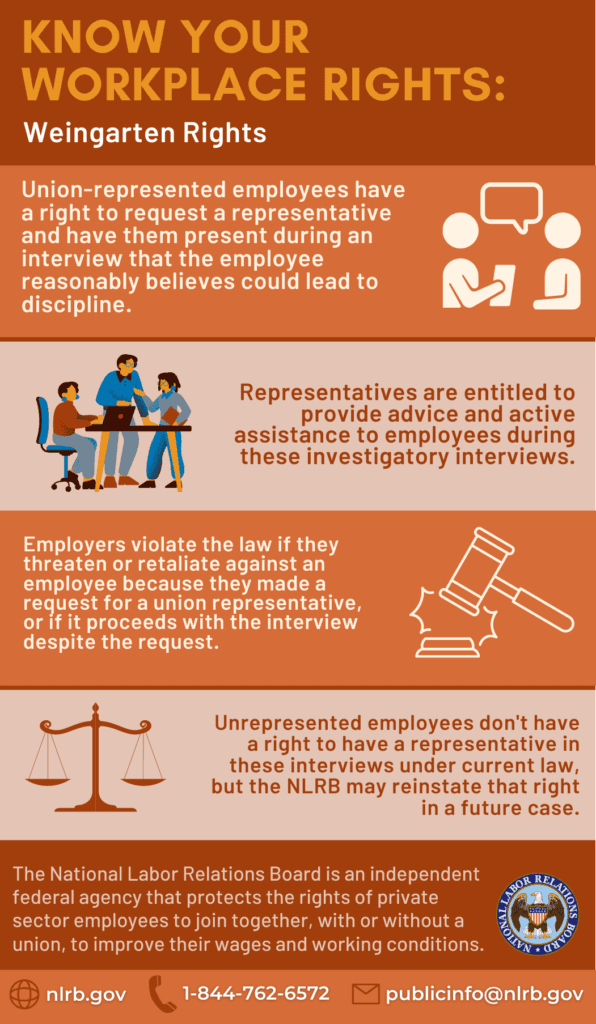
The National Labor Relations Board's "Your Rights" pages lay out core protections under the National Labor Relations Act that directly affect grocery workers and Trader Joe's crew. The resource explains that employees have the right to engage in protected concerted activity, talking with coworkers about pay, hours and working conditions and discussing union representation, while employers are barred from retaliating for those activities.
The guidance lists examples of conduct the NLRB considers unlawful: threats or promises intended to discourage organizing, interrogation or surveillance of employees about union activity, and adverse actions such as reduced hours, discipline or other punishments tied to protected activities. It also explains practical next steps for employees who believe their rights have been violated, how the NLRB investigates unfair labor practice charges, and where to find filing timeframes and regional office contact information.
For crew members at Trader Joe's, the resource is a plain-language primer on what behavior from managers or corporate agents crosses legal lines and what protections are available. Knowing the definitions of protected concerted activity and the specific examples of forbidden employer conduct can help workers spot potential violations early, decide whether to document incidents, and determine when to escalate a complaint. The pages are positioned as a first stop for workers weighing organizing options or responding to disciplinary action that might be tied to protected speech or activity.
The NLRB material also explains the process for raising a formal complaint: employees can file an unfair labor practice charge and the board will investigate. The pages include information on filing timeframes and provide regional office contact details so workers can locate local assistance. That practical infrastructure matters in workplaces where short notice changes, scheduling shifts and performance writeups are common and where crew conversations about pay or staffing can quickly raise legal questions.

Managers and supervisors at stores should take notice too: the resource makes clear the line between lawful workplace direction and coercive tactics that trigger legal exposure. For employees, the guidance reduces confusion about what counts as protection under federal law and where to go for help.
Our two cents? Scan the NLRB pages so you know what protections you already have, keep straightforward notes with dates and names if something happens, and talk with your coworkers before filing formal charges. If you suspect unlawful retaliation or anti‑organizing tactics, use the regional contact info on the NLRB pages to get next steps. Knowing the rules gives crew members a better chance to protect their shifts, hours and voices.
Know something we missed? Have a correction or additional information?
Submit a Tip