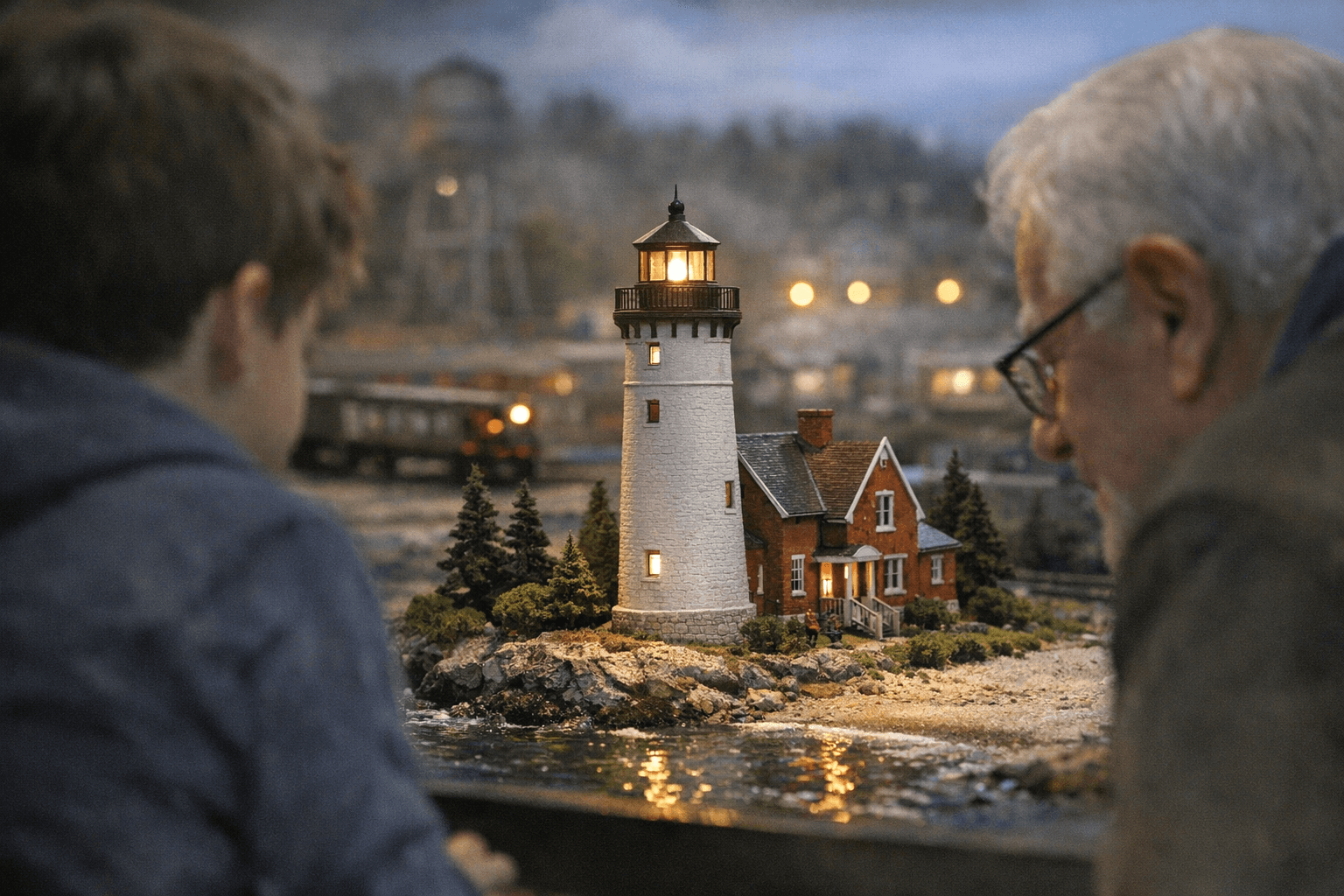
NMRA Beginners Guide Offers Practical Start for New Modelers
The National Model Railroad Association’s multi-part Beginners Guide lays out step-by-step, practical advice for people starting in model railroading, with Part 1 focused on getting started. The guide matters because it clarifies scale and gauge choices, power options, basic tools, layout planning and how to connect with local clubs and standards, helping newcomers build confidence without costly mistakes.
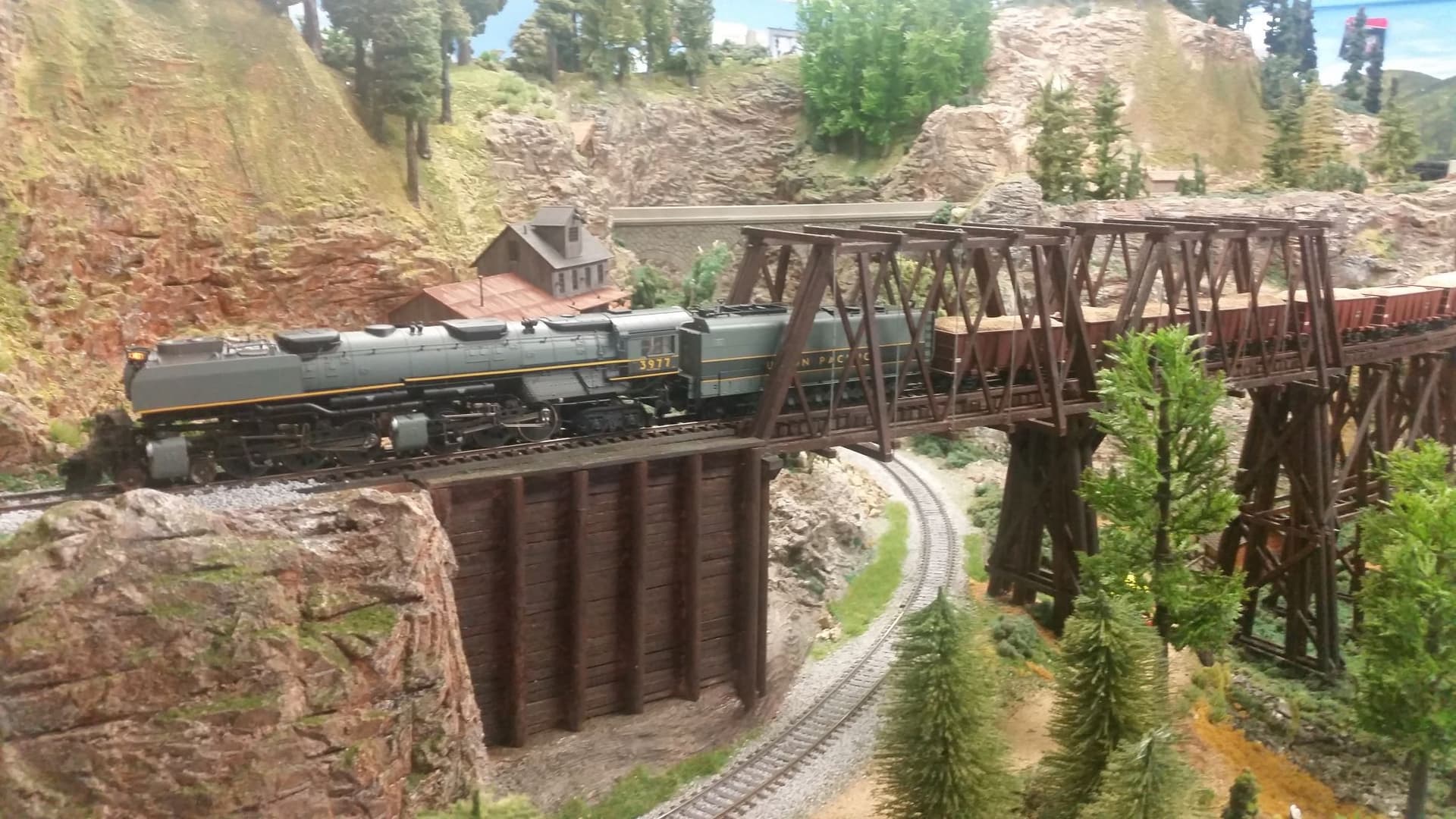
The NMRA has produced a multi-part Beginners Guide designed to move newcomers from curiosity to confident building with clear, usable instruction. Part 1, Getting Started, walks through the first decisions and smallest projects that produce steady learning, while later sections expand into benchwork, track-laying, wiring, operations, scenery, motive power and rolling stock.
Part 1 begins with choosing scale and gauge, explaining how those choices affect space, cost and equipment availability. It then lays out basic tooling and essential items for a starter toolkit, so you do not overbuy or miss tools that make early tasks easier. Planning a first layout is a central focus; the guide recommends starting small and learning on a 4x8 sheet or a modular section so you can complete a working layout quickly and learn incremental skills before committing to a larger hobby investment.
Power options receive practical treatment, with clear comparisons of direct current systems and digital command control systems. The guide describes power-supply options and the tradeoffs of DC versus DCC so you can match control flexibility and wiring complexity to your goals. Scenery basics are introduced with techniques to get realistic results without overwhelming detail, and the guide emphasizes learning techniques and incremental projects that build skills over time.
The NMRA resource also connects newcomers to local clubs and standards, pointing toward the social and technical infrastructure that accelerates learning. Joining a club or working with modular groups offers hands-on help, tools, and the chance to run trains in a larger setting, which can be especially valuable when you are choosing scales, troubleshooting wiring, or experimenting with operations.
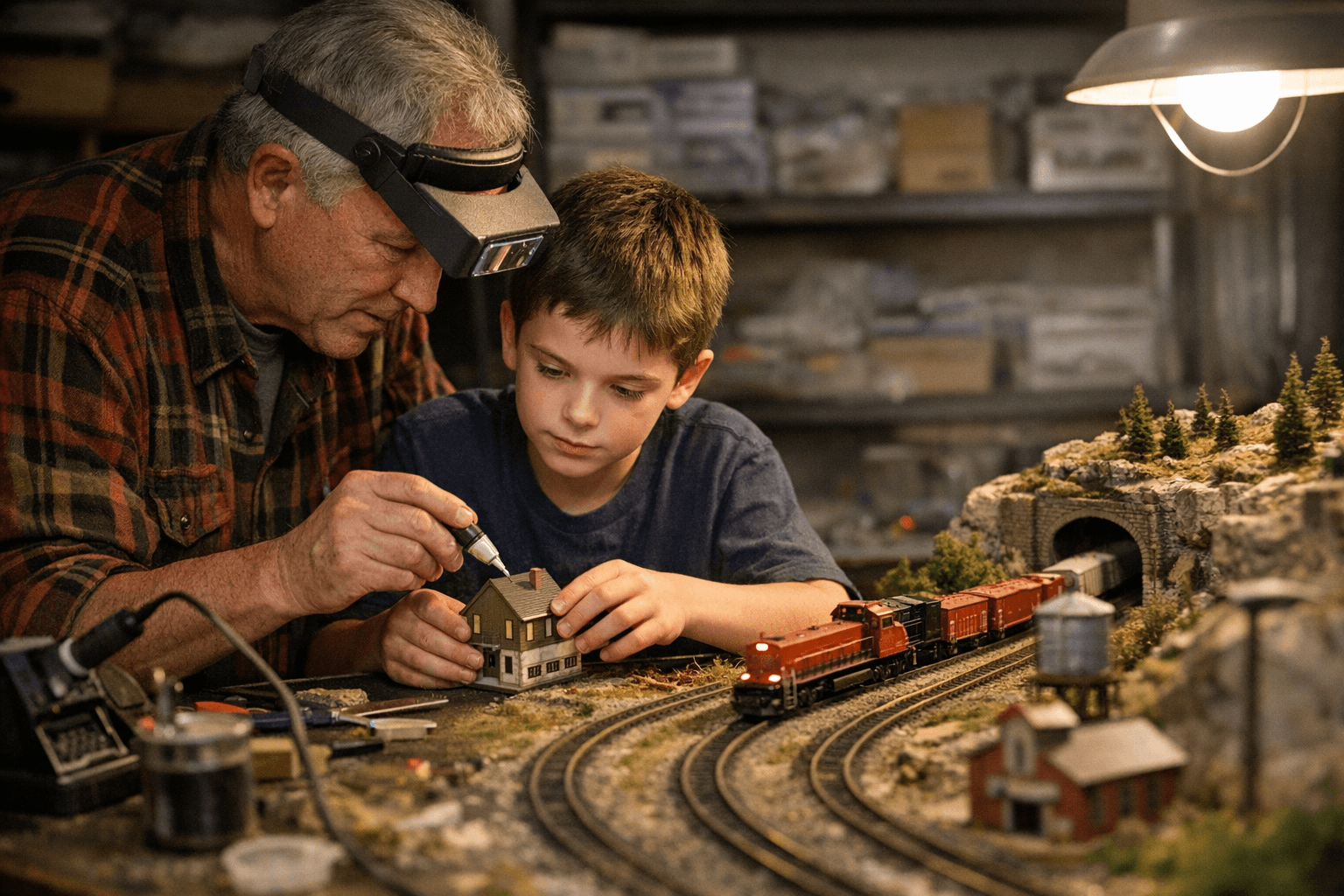
For practical use, start by using the guide to list your priorities: decide how much space you will dedicate, pick a scale that fits that space, and choose a starter layout such as a 4x8 or modular section. Learn the basics of power systems before investing in a large fleet, and use incremental scenery and rolling stock projects to build skills. Reach out to a local club for mentoring and access to standards and group layouts.
The NMRA Beginners Guide is a straightforward, community-focused resource that reduces common early mistakes and connects you to people and standards that keep the hobby accessible and fun.
Know something we missed? Have a correction or additional information?
Submit a Tip