No Road Access and Harsh Weather Make Visiting Utqiagvik Challenging
Travelers and officials face steep obstacles visiting Utqiagvik — often still called Barrow — because the northernmost U.S. city has no road connections to Alaska’s road system and endures extreme weather.
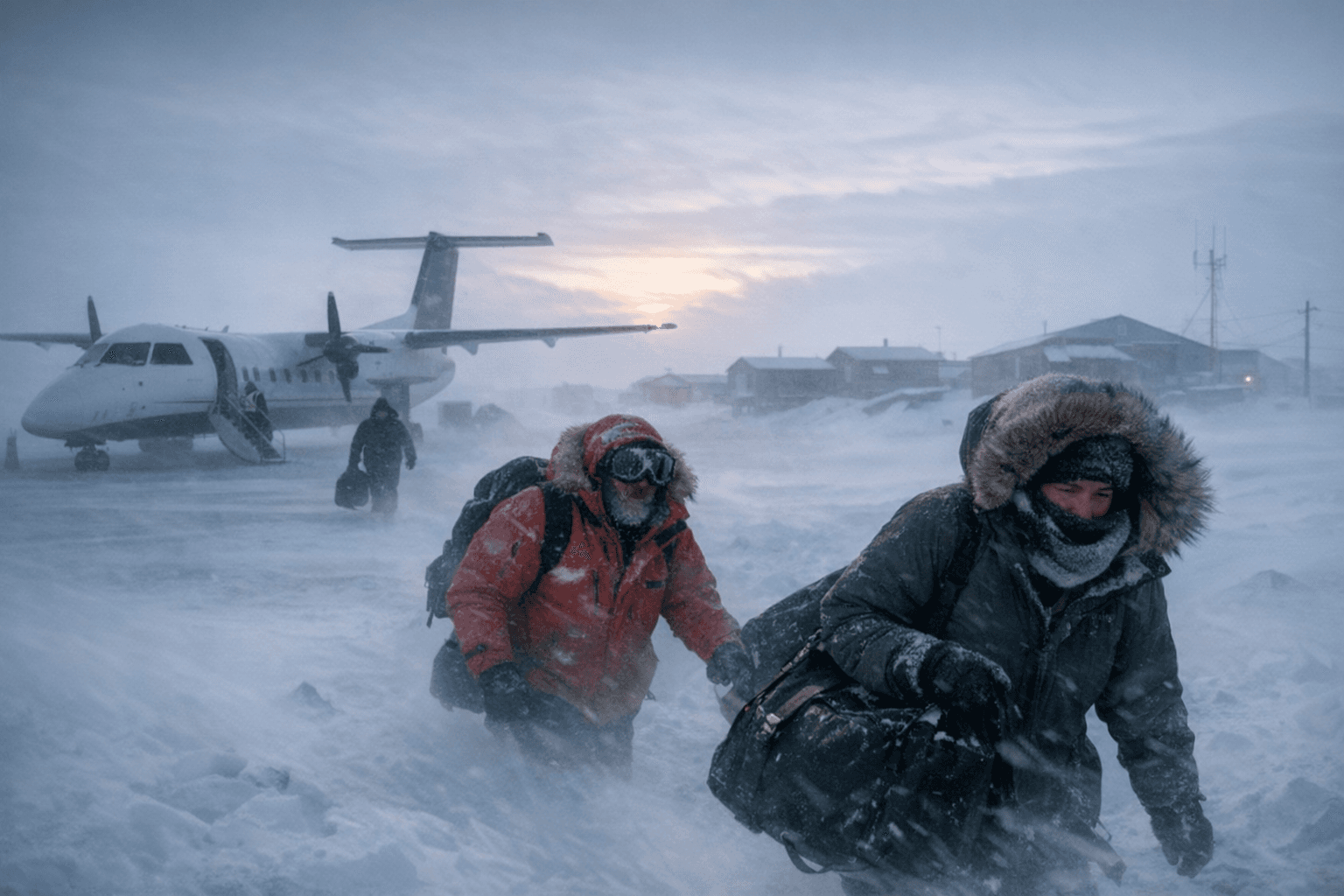
Travelers planning trips to Utqiagvik confront a hard logistical reality: the northernmost city in the United States, often still called Barrow in travel materials, has no road connections to the Alaska road system and endures extreme weather that makes visiting difficult and unpredictable. That combination of isolation and climate volatility shapes every decision by visitors, municipal staff, and service providers to the North Slope Borough.
As the administrative hub of the North Slope Borough, Utqiagvik’s lack of road access complicates borough governance and service delivery. Borough officials managing municipal operations in Utqiagvik must account for transportation limits when scheduling meetings, moving supplies, or maintaining infrastructure; the absence of road links to other Alaskan communities forces extra planning for routine functions in the seat of borough government.
Local economic activity in Utqiagvik is likewise affected by the twin constraints of no road connections and extreme weather. Businesses that rely on outside visitors or seasonal contractors must build contingency plans around weather windows and constrained access to the North Slope Borough hub. The practical result is tighter timelines for deliveries and staffing decisions tied to Utqiagvik’s unique position at the top of the state.
Public safety and emergency preparedness in Utqiagvik are shaped by geography and climate. Emergency response planning for the North Slope Borough’s administrative center must reflect the fact that road transport to or from Utqiagvik is not an available option, and that extreme weather events can sharply limit movement into the city. Those realities increase the importance of local readiness and of borough-level coordination for critical services.
Civic engagement and voting logistics in Utqiagvik require specialized planning because the North Slope Borough conducts administrative business from a community that is not connected by road to the rest of Alaska and faces extreme weather intermittently. Scheduling public hearings, council meetings, and voter services in Utqiagvik must factor in travel barriers and weather variability that affect turnout and participation across the borough.
Planning for Utqiagvik’s future will mean aligning infrastructure, public safety, and civic processes with the facts on the ground: Utqiagvik’s status as the northernmost U.S. city, its role as the North Slope Borough administrative hub, the absence of road connections to the Alaska road system, and the reality of extreme weather at times. Those four concrete conditions should guide policy choices and resource allocations for officials responsible for governance and services in the North Slope Borough.
Sources:
Know something we missed? Have a correction or additional information?
Submit a Tip