NOAA says El Niño likely, Atlantic hurricane season may be weaker
El Niño has an 82% chance of forming soon, a setup that could trim Atlantic storms while raising Pacific risk for communities, insurers and travelers.
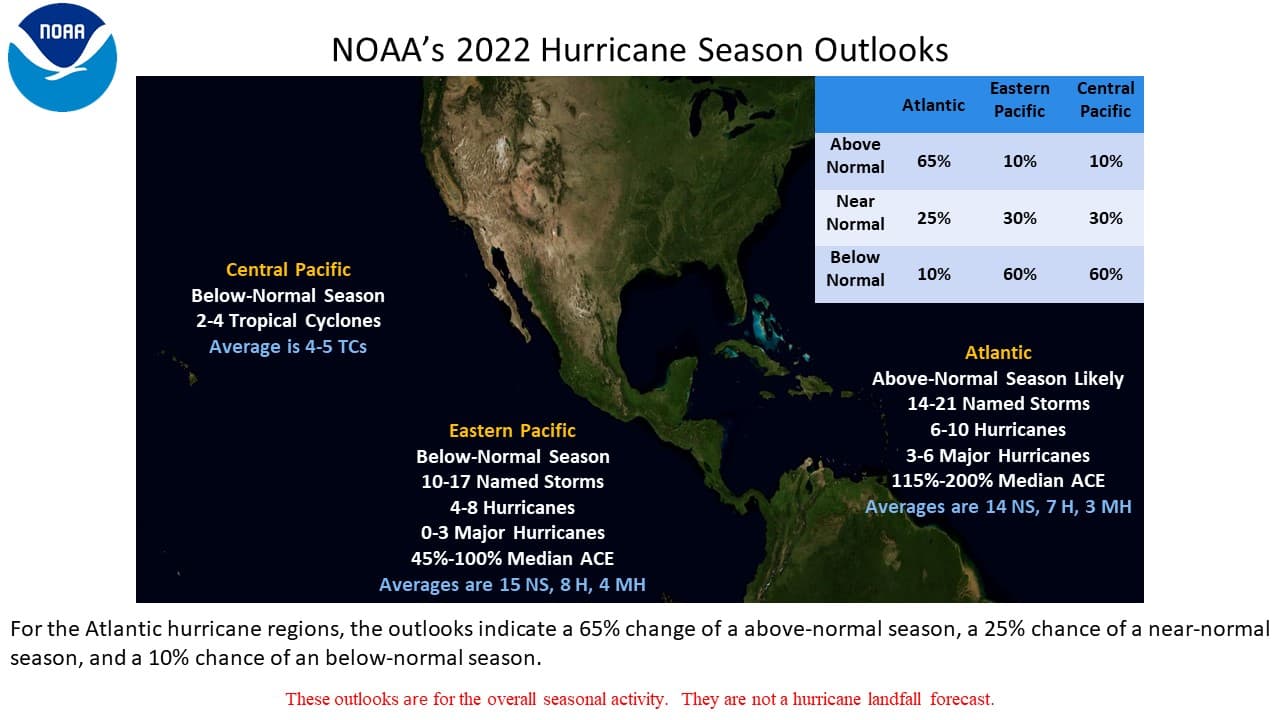
A strengthening El Niño could tilt hurricane risk away from the Atlantic and toward the Pacific, changing where emergency managers, insurers and travelers need to focus before the season peaks.
NOAA’s Climate Prediction Center said on May 14 that El Niño is likely to emerge soon, with an 82% chance during May through July and a 96% chance of lasting through Northern Hemisphere winter 2026-27. The latest weekly Niño-3.4 index was already at plus 0.4 degrees Celsius, and the subsurface Pacific had warmed for a sixth straight month, signs that the atmosphere and ocean were lining up in El Niño territory.

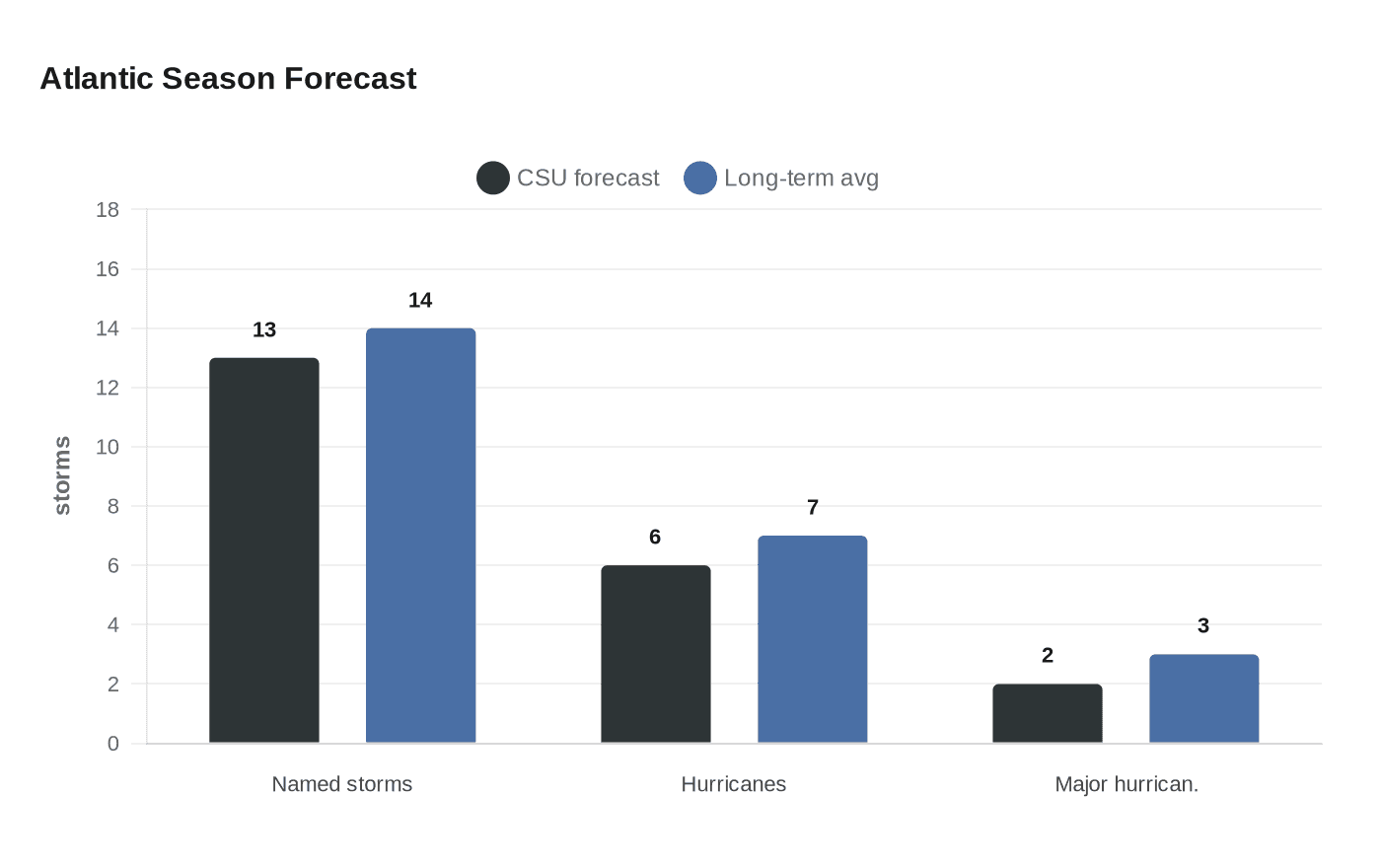
That matters because the pattern usually scrambles hurricane activity in different ways on opposite sides of the Americas. Colorado State University said its April 9 Atlantic outlook was held down in part by a robust El Niño, which tends to strengthen upper-level westerly winds and vertical wind shear over the Caribbean Sea and tropical Atlantic. Those winds can tear apart developing storms before they organize, helping explain why CSU projected a somewhat below-average Atlantic season with 13 named storms, 6 hurricanes and 2 major hurricanes, below the long-term averages of 14 named storms, 7 hurricanes and 3 major hurricanes.

For the Atlantic coast, that does not mean a quiet summer. NOAA says the Atlantic hurricane season runs from June 1 through November 30, and a below-average forecast still leaves room for damaging landfalls, especially if a storm forms close to shore or slips through the shear at the wrong time. The most immediate planning question is not whether the basin is active overall, but whether one storm can exploit a narrow window and turn a muted season into a costly local disaster.
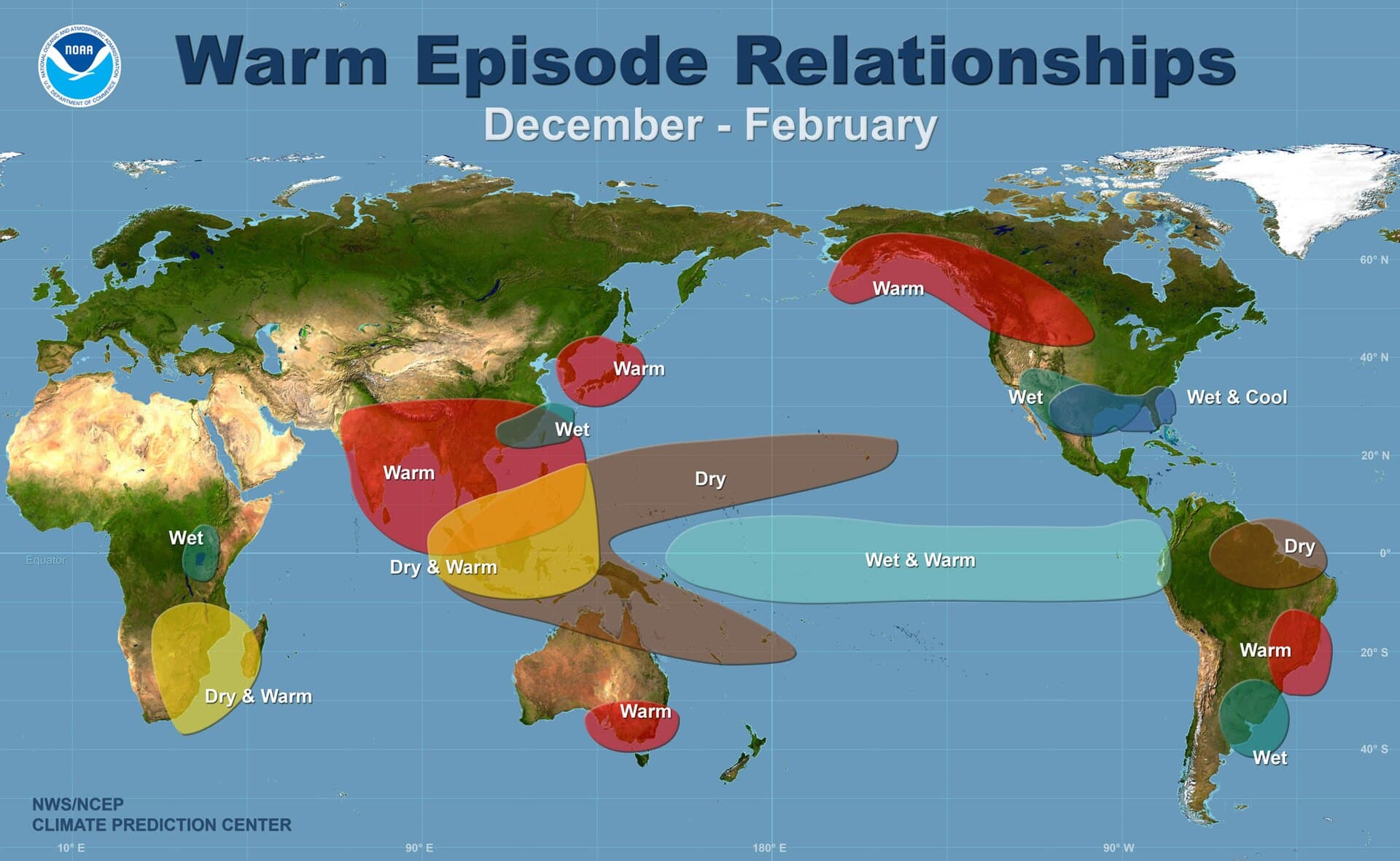
The Pacific side faces a different equation. NOAA’s Eastern Pacific season began May 15 and runs through November 30, and El Niño typically favors more storms there. The last El Niño year, 2023, produced 17 named storms, 10 hurricanes and 8 major hurricanes in the Eastern North Pacific, including Hurricane Otis, which reached 145 knots and a central pressure of 922 millibars. By contrast, NOAA’s 2023 Atlantic record showed 20 named storms, 7 hurricanes and 3 major hurricanes, underscoring how one climate pattern can suppress one basin while energizing another.
That split has practical consequences. Emergency managers along the Pacific coast, including Mexico’s west coast and Central America, may need to prepare for a higher threat of intense storms, flash flooding and rapid intensification. Atlantic communities may see somewhat lower odds of an explosive season, but insurers, airports and cruise operators cannot relax: the risk may shift, not disappear, and El Niño can make storm behavior less predictable even when totals are lower. NOAA will announce its 2026 Atlantic outlook on May 21 in Lakeland, Florida, with NOAA administrator Dr. Neil Jacobs, National Weather Service director Ken Graham and lead hurricane forecaster Matthew Rosencrans set to speak, a timing that will sharpen the read on how much the season may bend under El Niño’s influence.
This article was produced by Prism’s automated news system from verified source data, official records, and press releases, then run through automated quality and moderation checks before publishing. The system is built and supervised by the people who set the standards it runs under. Read our full AI policy.
Did this article answer your question?

