China espionage fears revive concerns over profiling Chinese Americans
As Trump and Xi stressed stability in Beijing, Asian American advocates warned that renewed China scrutiny can spill into workplaces and classrooms.
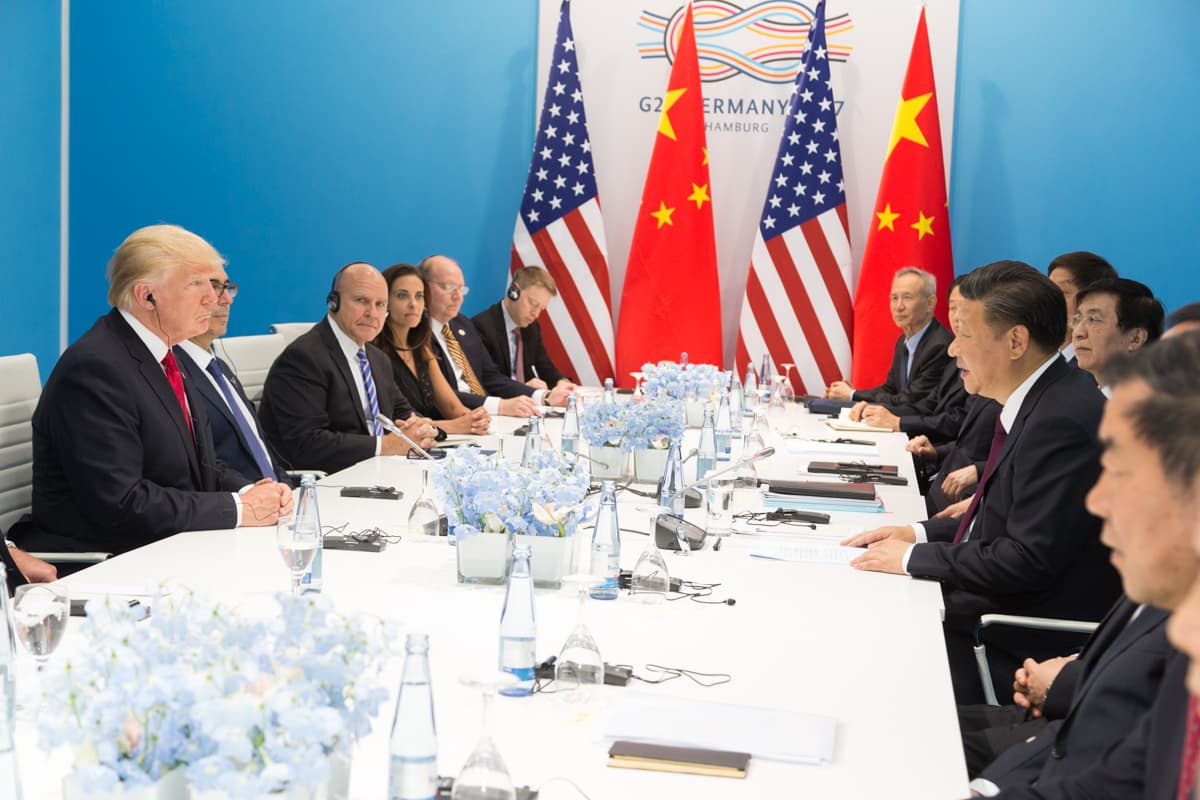
The Trump-Xi summit in Beijing on May 14 and 15 centered on stability, but the renewed focus on China has also revived a harder question inside the United States: where legitimate espionage concerns end and collective suspicion of Chinese Americans begins. For scientists, researchers and students, the answer has long carried real consequences, from background checks and grant scrutiny to the fear that an ordinary professional connection to China could be read as disloyalty.
That fear did not emerge in a vacuum. The Justice Department launched the China Initiative in November 2018 to investigate alleged Chinese economic espionage, and Attorney General Matthew Olsen formally ended it on February 23, 2022. Civil-rights groups and Asian American advocates said the program created a chilling effect on Chinese American scientists, researchers and scholars, with the impact spreading far beyond any individual prosecution. The Brennan Center for Justice has said the initiative was officially disbanded in 2022, but that it continued to cause harm and intensify anti-Asian discrimination.
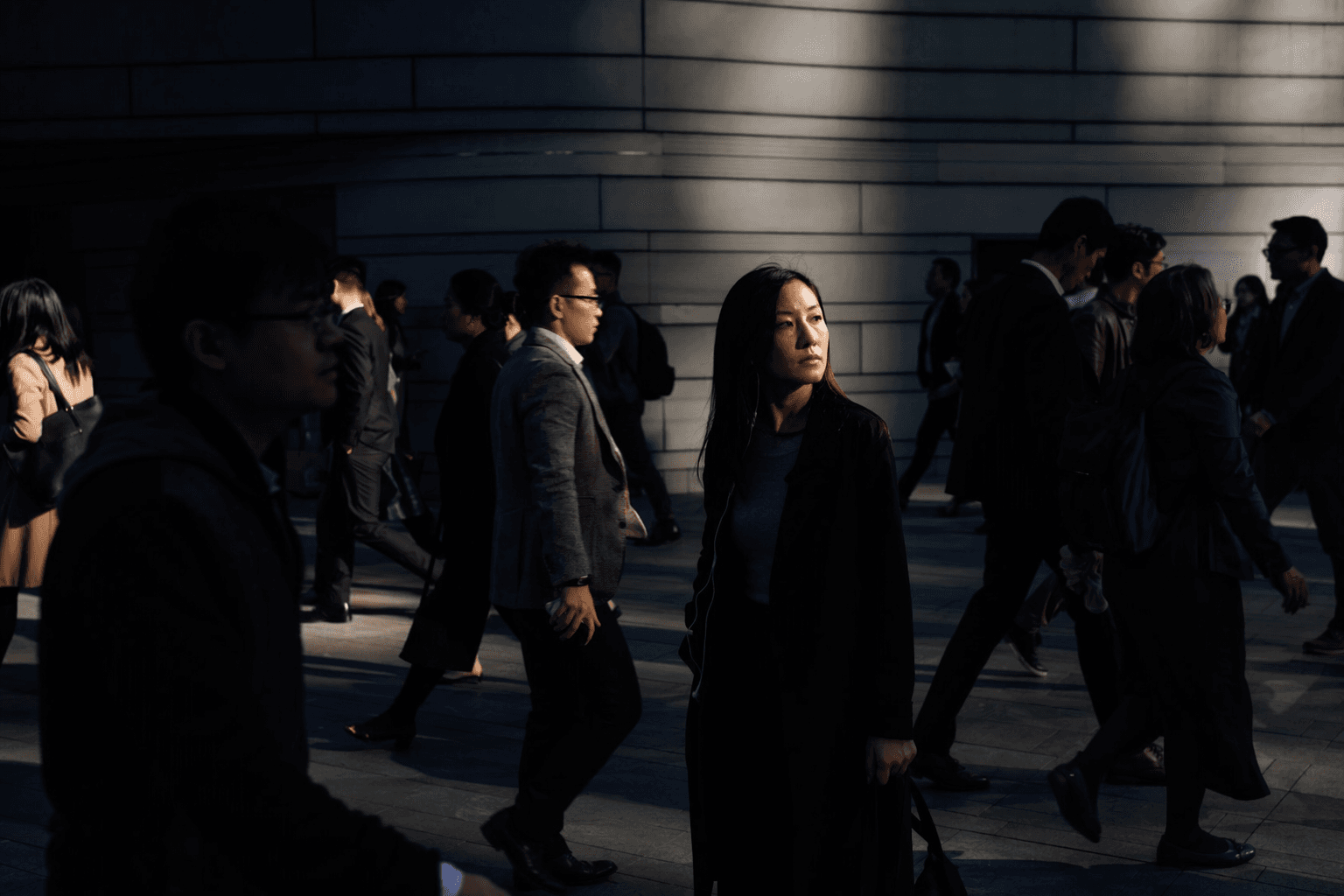
The debate has stayed active in Congress. In 2025, more than 80 Asian American and civil-rights organizations opposed House appropriations language that would have effectively revived the China Initiative. Asian Americans Advancing Justice - AAJC said Congress later removed the language, saying lawmakers listened to concerns that Chinese American and Chinese immigrant scientists, researchers and academics would again be singled out under the guise of national security. Advocacy groups have pointed to racial bias influencing investigations and prosecutions of Asian Americans and immigrants, especially Chinese American scientists and academics.
The stakes are sharpened by history. Civil-rights groups cite the 1882 Chinese Exclusion Act as a reminder that suspicion of Chinese people in the United States has repeatedly spilled into law and policy. That history has given added weight to recent anti-Asian hate and harassment, as advocates warn that new espionage fears can quickly spread from legitimate counterintelligence work to workplaces, campuses and neighborhoods where ordinary Chinese Americans are forced to carry the burden of geopolitical tension. In that climate, the line between vigilance and profiling remains thin, and for many Chinese Americans, it has already been crossed before.
This article was produced by Prism’s automated news system from verified source data, official records, and press releases, then run through automated quality and moderation checks before publishing. The system is built and supervised by the people who set the standards it runs under. Read our full AI policy.
Did this article answer your question?