Army safety memo warns drone rush is eroding explosive safeguards
A memo says a mini-drone blast injured an Army Special Forces soldier as the Pentagon accelerated counter-drone efforts. The warning says basic explosive safeguards were being ignored.
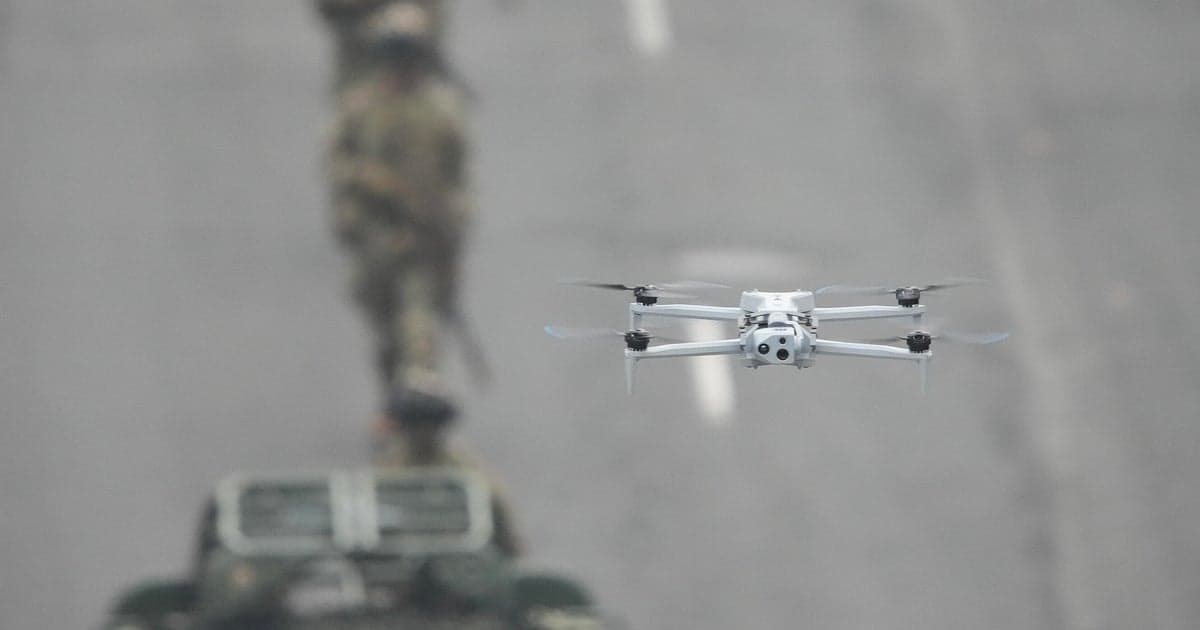
A March safety memo says the Pentagon’s push to move faster against drone threats may be creating new risks for its own troops. The warning followed an incident in which a mini-drone detonated inside a building at the Army’s Joint Readiness Training Center and injured an Army Special Forces soldier.
The memo was written by a civilian U.S. Army explosive safety specialist with more than 20 years of Army experience. Working from the Fort Polk Command Safety Office in Louisiana, the specialist sent the warning to the director of safety at U.S. Army Special Operations Command at Fort Bragg, North Carolina. In the memo, the specialist wrote that the Defense Department “is in such a rush to solve future and enduring threats related to [unmanned aerial systems]” that “basic explosive safety principles are being ignored,” and warned that this would “ultimately lead to a greater risk associated with mishaps [or] accidents.”
The Army has disputed that assessment. Army Col. Allie Scott said the comments from the safety investigator in the memorandum appeared to be his opinion and not based in fact.
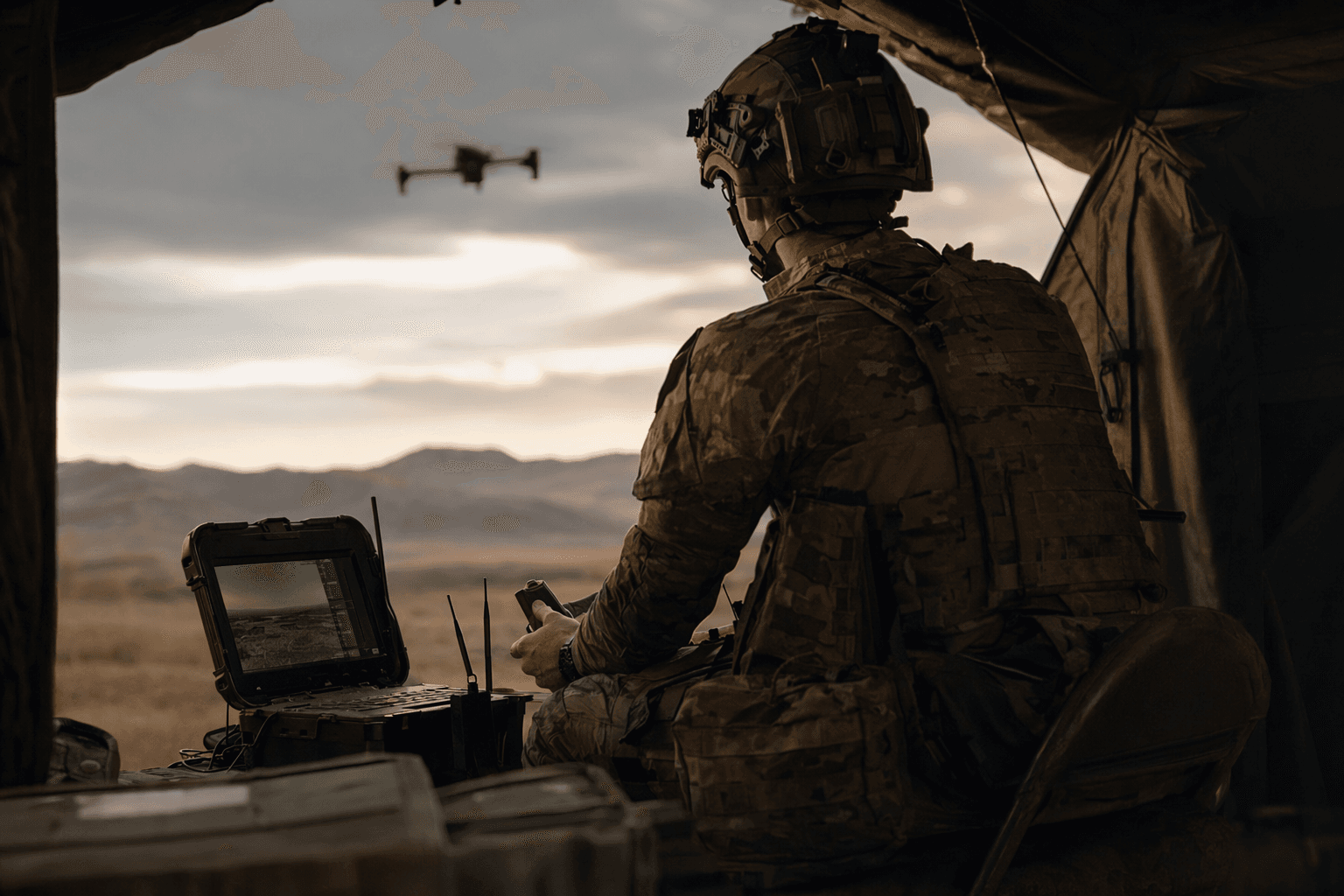
The episode comes as the military races to adapt to drone warfare that has expanded sharply since Russia’s war in Ukraine. Drones have been part of U.S. operations for decades, especially in Iraq and Afghanistan, but the scale, speed and affordability of modern systems have changed the challenge. Earlier this year, Defense Secretary Pete Hegseth created Joint Interagency Task Force 401 to accelerate Pentagon drone production. Late last year, the Pentagon asked industry to assess its willingness and ability to make roughly 300,000 drones, following President Trump’s executive order calling for more unmanned aircraft systems.
The Pentagon had already laid out the scope of the threat in a Dec. 5, 2024 strategy announced by then-Defense Secretary Lloyd J. Austin III. That strategy said unmanned systems are increasingly capable and pose ever-increasing threats to U.S. and allied forces, and that they can endanger personnel, facilities and assets overseas and increasingly in the U.S. homeland. It built on earlier efforts including the Joint Counter-Small UAS Office, the Warfighter Senior Integration Group and Replicator 2.
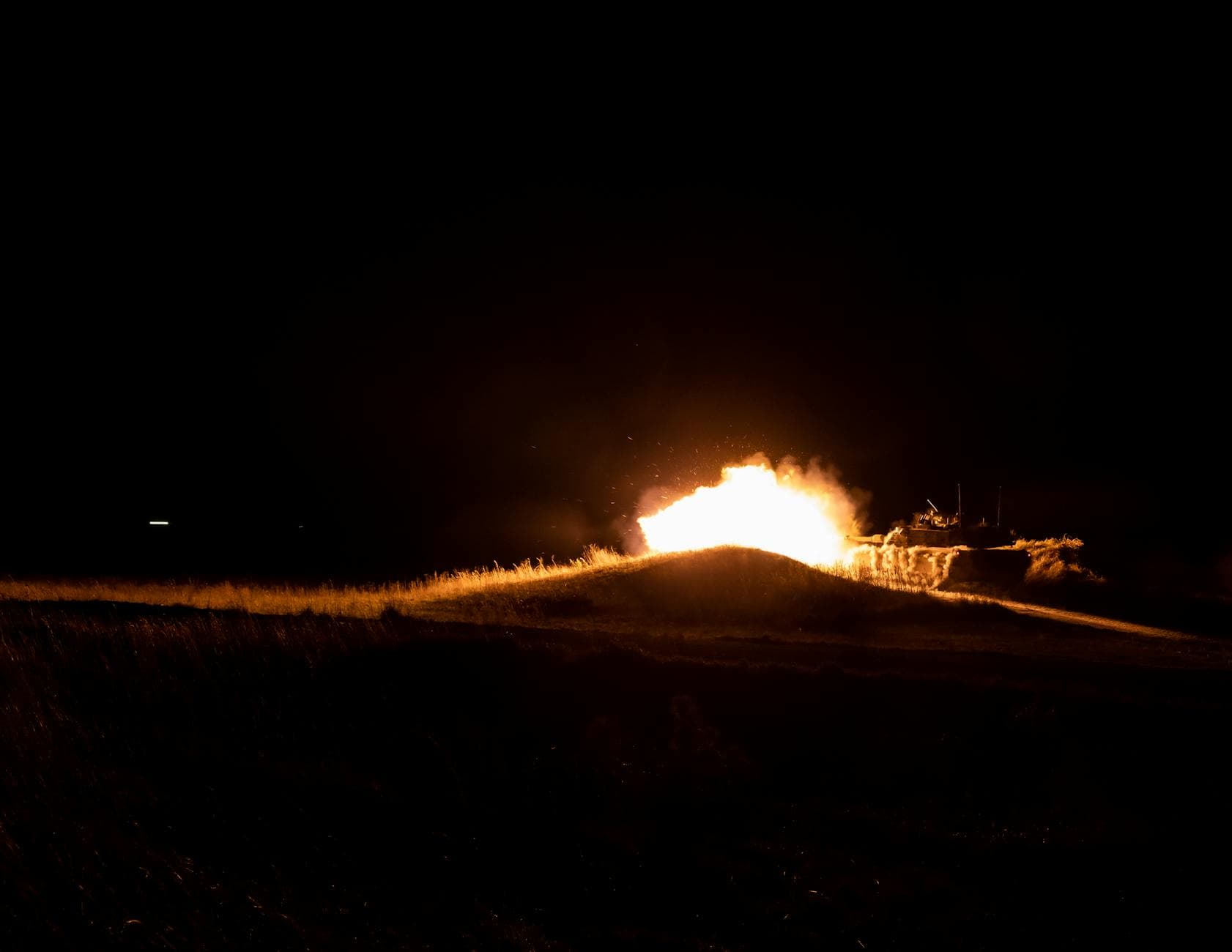
Pressure has only intensified in 2025. Lawmakers urged the Pentagon to speed offensive and defensive small-drone systems after the January 2024 attack in Jordan that killed three U.S. troops. The Army has also warned that small Group 1 and 2 drones can evade sensors designed for larger targets, forcing a faster push on detection, tracking, electronic-warfare integration and tailored kinetic responses.
A March 31, 2025 Congressional Research Service report said Pentagon counter-UAS issues include strategy, authorities, costs, testing and technical maturity. In 2026, the Pentagon also moved to give installation commanders updated homeland counter-UAS guidance, extending the issue beyond overseas battlefields and into domestic military facilities.
This article was produced by Prism’s automated news system from verified source data, official records, and press releases, then run through automated quality and moderation checks before publishing. The system is built and supervised by the people who set the standards it runs under. Read our full AI policy.
Did this article answer your question?