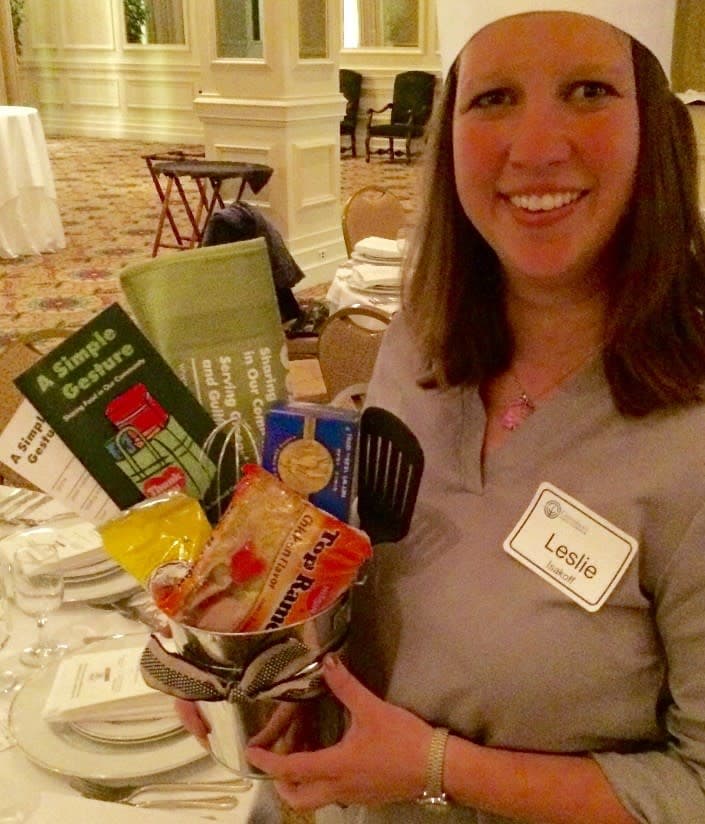
Nonprofit HR Survey Guides A Simple Gesture on Total Rewards Strategy
Nonprofit HR's 2024 sector survey is steering A Simple Gesture to expand total rewards beyond base pay, affecting pay bands, benefits design, and retention for nonprofit staff.
Nonprofit HR’s 2024 sector survey and its Total Rewards guidance are shaping A Simple Gesture’s approach to compensation and benefits, signaling a broader shift across the social sector toward total rewards strategies that aim to retain mission-driven staff. The survey, drawn from hundreds of social-sector organizations, highlights growing emphasis on flexible benefits, mental health supports, pay-equity work, formal compensation philosophies, and better benefits communication.
For A Simple Gesture, a small nonprofit focused on community service, the findings supply practical steps for leaders and boards wrestling with tight budgets and high turnover. Nonprofit HR’s Total Rewards consulting resources offer tools for setting defensible pay bands, using market data, and designing health, retirement, leave, and flexibility packages that align with organizational mission and employee needs. Those elements are central to the survey’s recommendations and are already informing conversations in executive and board meetings at organizations across the sector.
The survey signals that employers are moving beyond focusing solely on base pay to a broader total rewards framework that includes lifestyle benefits and mental-health supports. That shift matters to staff because it affects day-to-day wellbeing and long-term security. Expanded mental-health supports and flexible scheduling can reduce burnout and improve retention, while clear pay bands and pay-equity analyses aim to reduce disparities that undermine morale and trust. Use of formal compensation philosophies and market benchmarking helps nonprofit leaders justify pay decisions to boards and funders, and provides employees with clearer expectations about career progression and pay fairness.
Better benefits communication emerged as a critical factor in the survey. Nonprofit HR found that benefits matter only when employees understand and can access them. For A Simple Gesture, improving communications about health plans, retirement options, leave policies, and flexible work arrangements is likely to increase perceived value of compensation without large increases in payroll. Boards and HR leaders will need to prioritize transparent employee-facing materials, enrollment assistance, and regular updates tied to performance and market reviews.

The survey also elevates pay-equity work as an integral piece of total rewards design. Conducting equity analyses and adjusting pay bands can protect organizations from internal inequities and legal risk, and signal to staff that leadership values fairness.
The practical upshot for workers is clearer, more holistic compensation packages and stronger workplace supports; for managers and boards it is a roadmap for making defensible, data-driven choices about pay and benefits. Expect more nonprofits like A Simple Gesture to adopt total rewards strategies, invest in benefits communication, and use market data to shape pay policies as part of retention and equity efforts.
Know something we missed? Have a correction or additional information?
Submit a Tip