Nonprofits Urge Trump To Strengthen Forced Labor Import Enforcement
Nonprofits backed a new U.S. probe on forced-labor imports, but said real enforcement needs sharper action than tariffs alone. The fight now centers on whether loopholes will stay open.
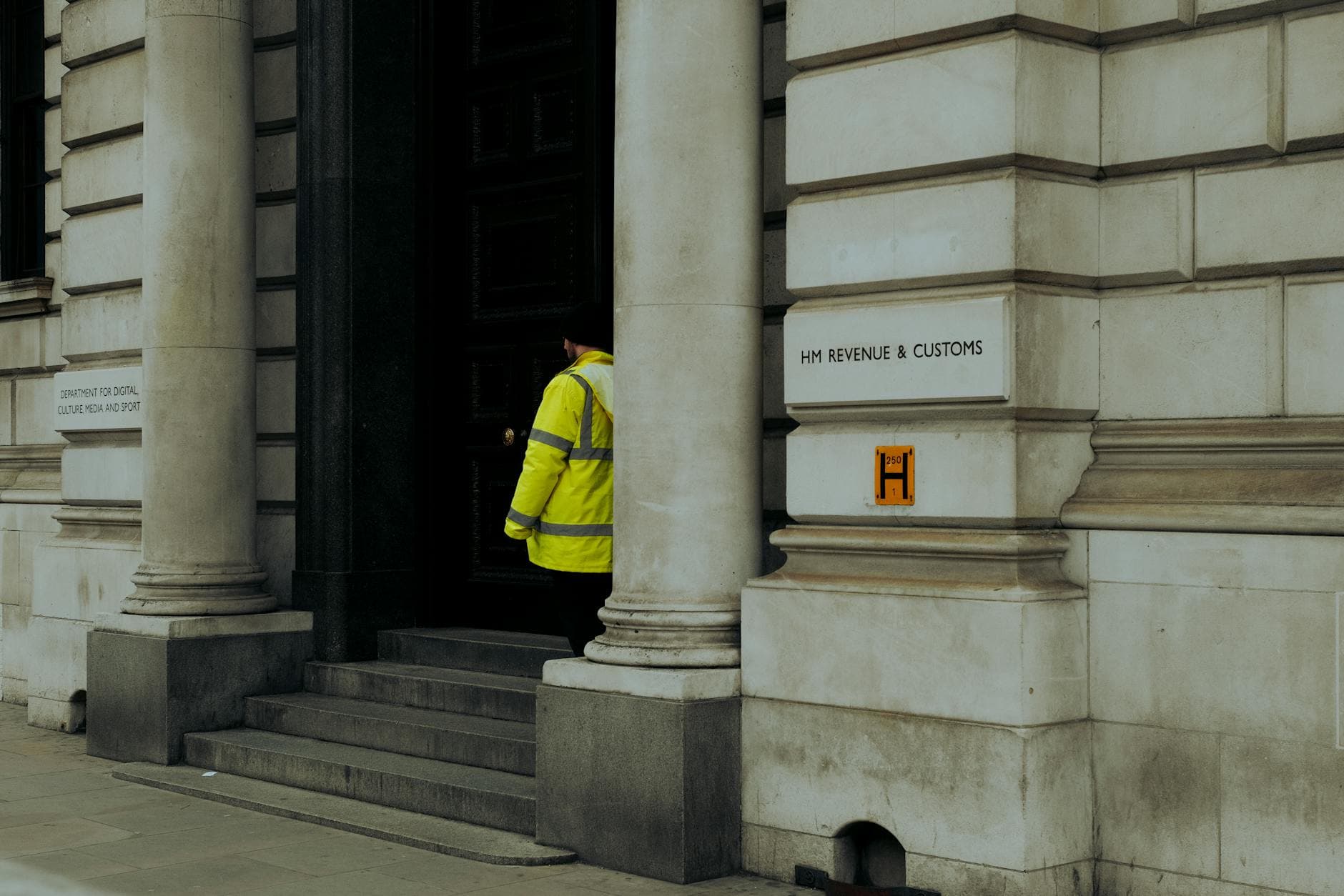
Nonprofit advocates welcomed the Trump administration’s new push on forced-labor imports, but they said the crackdown will only matter if it is paired with tougher enforcement that closes long-running loopholes in U.S. trade law.
The Office of the United States Trade Representative launched Section 301 investigations on March 12 into the failure by 60 economies to impose and effectively enforce bans on goods made with forced labor. Those economies account for more than 99% of U.S. imports in 2024, putting the probe squarely at the center of global supply chains. USTR held public hearings on April 28 and April 29, with about 60 witnesses scheduled to testify, as the administration tested whether tariff pressure can force trading partners to tighten their own systems.
The legal backbone is already in place. Section 307 of the Tariff Act of 1930 bars imports made wholly or in part with forced labor, and Congress removed the consumptive-demand exception in 2015. The Uyghur Forced Labor Prevention Act, enacted on December 23, 2021, took effect on June 21, 2022, and became the highest-profile test of how aggressively Washington can police forced labor in trade.
U.S. Customs and Border Protection says that under the UFLPA it has reviewed thousands of shipments and denied goods worth hundreds of millions of dollars. Enforcement has extended across electronics, apparel, footwear, pharmaceuticals, agriculture, industrial goods and automotive products, showing how deeply forced labor concerns cut through mainstream commerce rather than a single niche sector. CBP also uses Withhold Release Orders, Findings, UFLPA actions and CAATSA to block shipments tied to abusive labor practices.
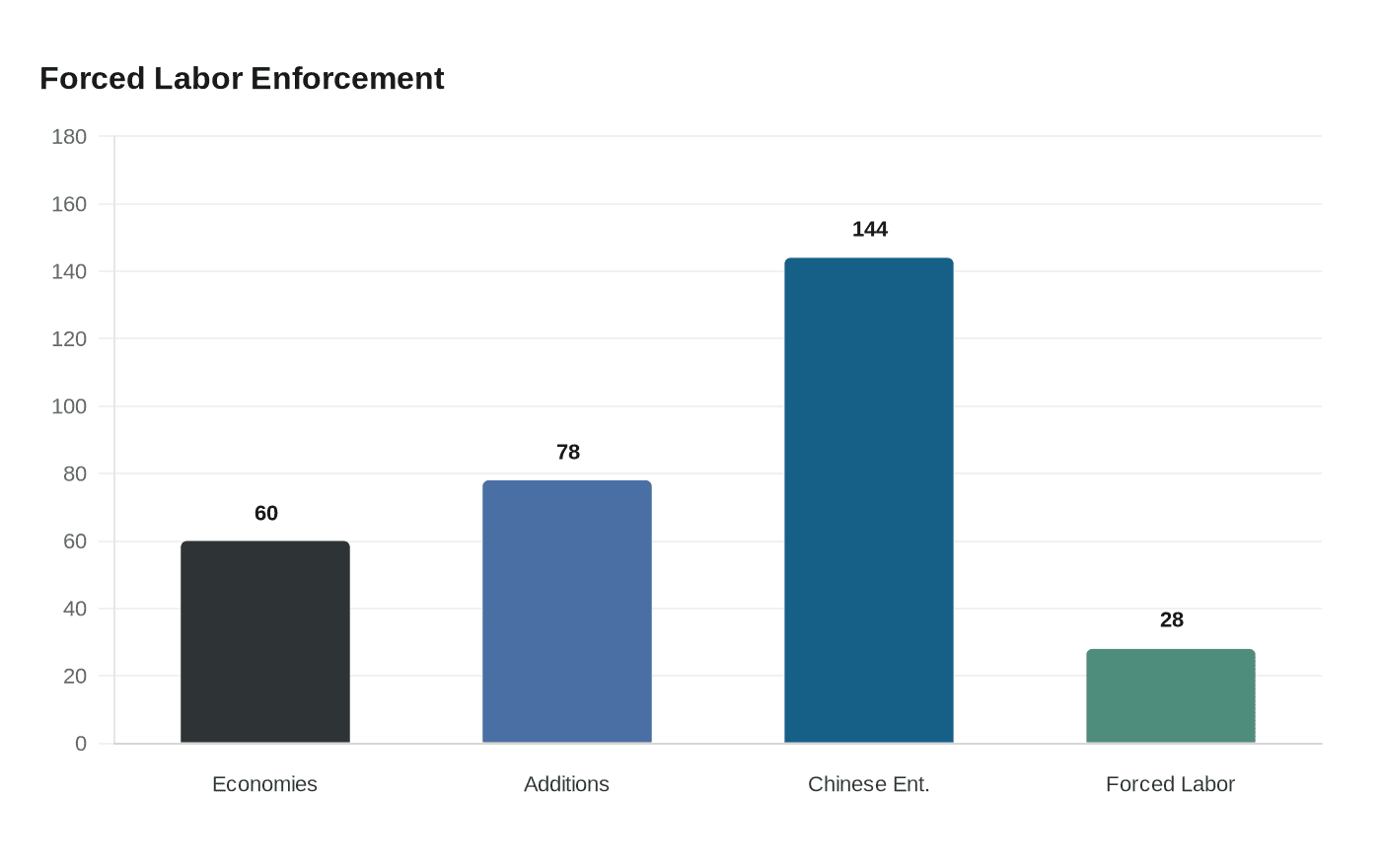
The 2025 update to the UFLPA system added 78 entities to the Entity List, bringing the total to 144 Chinese entities, and expanded high-priority sectors to caustic soda, copper, lithium, red dates and steel. CBP’s recent enforcement actions in 2025 and 2026 have also named firms including FGV Holdings Berhad, Linglong International Europe D.O.O. in Serbia, Firemount Group Ltd., Giant Manufacturing Co., Zhen Fa 7 and Taepyung Salt Farm, underscoring that the problem reaches far beyond one country or one commodity.
The broader backdrop is grim. The U.S. Department of State says 28 million people worldwide were in forced labor as of 2021, up 2.7 million from 2016. The Congressional Research Service notes that Canada and Mexico adopted forced-labor import measures after USMCA, and the European Union adopted a forced-labor import regulation in 2024, raising the pressure on Washington to prove its own system works.
That is where the split lies. Human-rights advocates and tariff supporters want new import bans, duties and quotas. Some businesses and trade groups argue tariffs are not the right tool and warn they could raise costs for U.S. companies and consumers. The question now is whether the administration is building a meaningful enforcement regime, or simply adding another layer of trade friction around a system that already leaves too many goods moving through.
This article was produced by Prism’s automated news system from verified source data, official records, and press releases, then run through automated quality and moderation checks before publishing. The system is built and supervised by the people who set the standards it runs under. Read our full AI policy.
Did this article answer your question?
%3Amax_bytes(150000)%3Astrip_icc()%2FCertificate-of-deposit-2301f2164ceb4e91b100cb92aa6f868a.jpg&w=1920&q=75)
