Japan launches $2.2 billion financing for U.S. investment pledge
Japan turned its $550 billion U.S. pledge into concrete lending, backing an oil export terminal, a gas plant tied to data centers and a synthetic-diamond plant.
Japan has turned its huge U.S. investment pledge into real financing, backing projects in Texas, Ohio and Georgia that reach from crude exports to power for data centers and advanced materials manufacturing.
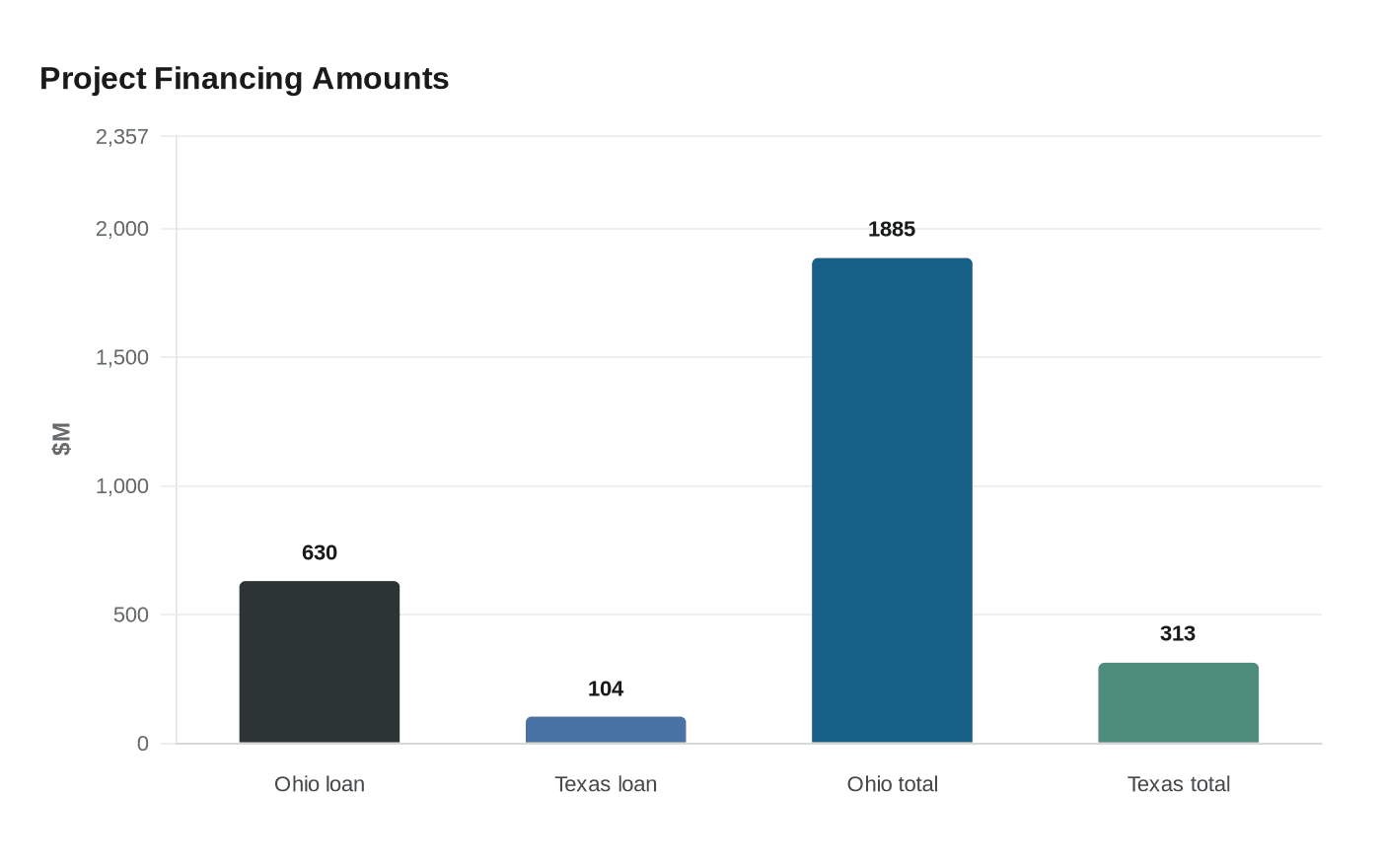
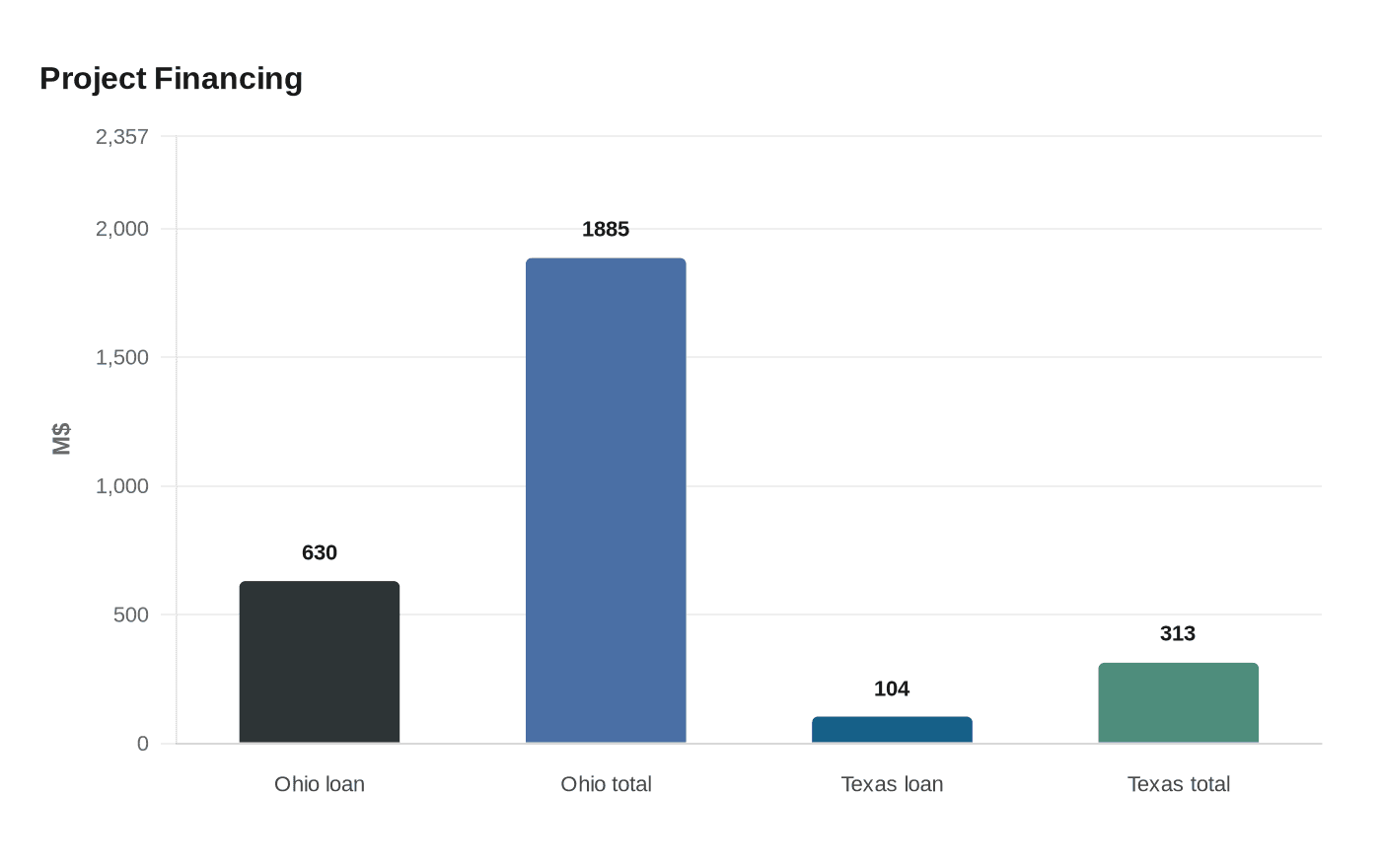
The Japan Bank for International Cooperation said it signed the first loans on April 17 under the Japan-U.S. Strategic Investment Initiative. One loan was about $630 million for a natural-gas generation project in Ohio, with total co-financing of about $1.885 billion. Another was about $104 million for a crude-oil transportation and export infrastructure project in deep waters off the Texas coast, with total co-financing of about $313 million. Together, the first disclosed projects carry roughly $2.2 billion in financing. A third project, in Georgia, will focus on synthetic-diamond manufacturing and sales. The work is being carried out through U.S. companies named Japan Invest 1 LLC, Japan Invest 2 LLC and Japan Invest 3 LLC.
Japan said Nippon Export and Investment Insurance will provide insurance for the loans made by private financial institutions, while the commercial-bank portion is expected to come from Mitsubishi UFJ Financial Group, Sumitomo Mitsui Financial Group and Mizuho Financial Group. The structure is as important as the dollar amount. It shows Japan is not simply buying exposure to the U.S. economy, but using state-backed lending, insurance and bank financing to direct capital into sectors that sit at the center of energy security, industrial supply chains and digital infrastructure.
The financing follows the framework unveiled in 2025, when Prime Minister Shigeru Ishiba said Japan would make up to $550 billion available through investments, loans and loan guarantees. On July 23, 2025, Ishiba said Japan had agreed to reduce U.S. tariffs on automobiles and auto parts to 15% and most other imports to 15%. A September memorandum said investments are to run from the date of the memorandum until January 19, 2029, and that the U.S. president selects investments recommended by an investment committee chaired by the U.S. commerce secretary.
The Congressional Research Service later said the United States and Japan outlined the deal in July 2025 and clarified it in September, against the backdrop of a $69 billion Japanese goods-trade surplus with the United States in 2024. For the United States, the first loans point to fresh capital for export infrastructure, electricity generation tied to data-center buildout and synthetic-diamond production. For Japan, they show how tariff relief, state finance and alliance strategy are being fused into a single economic-security bargain.
This article was produced by Prism’s automated news system from verified source data, official records, and press releases, then run through automated quality and moderation checks before publishing. The system is built and supervised by the people who set the standards it runs under. Read our full AI policy.
Did this article answer your question?

