North Carolina Supreme Court Kills Decades-Old School Funding Case, Stripping Judicial Power
North Carolina's high court voted 4-3 to erase 30 years of school funding orders, handing billions in promised resources back to a legislature with no legal obligation to act.
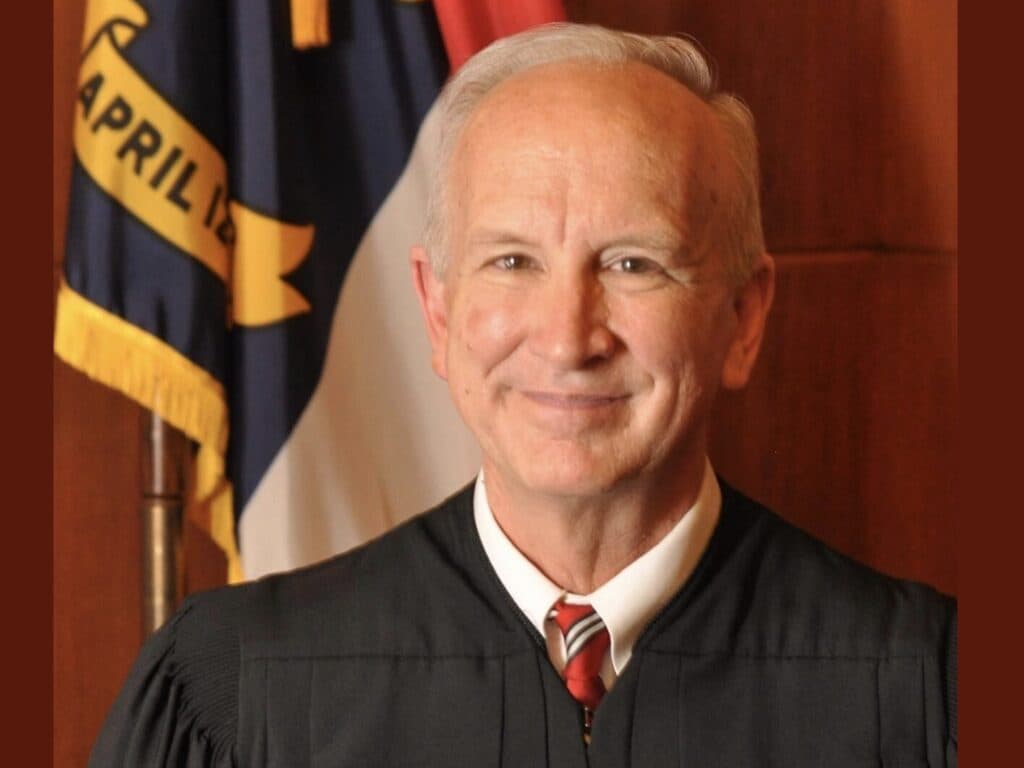
The North Carolina Supreme Court shut down one of the longest-running education finance battles in American history, issuing a 4-3 ruling that vacated decades of court orders and declared the judiciary had exceeded its constitutional authority in commanding statewide school funding fixes.
Chief Justice Paul Newby authored the lead opinion, joined by his Republican-appointed colleagues, in a decision stretching more than 200 pages and grounded in jurisdictional and separation-of-powers arguments. The ruling dismissed the Leandro v. State litigation, first filed in 1994, and effectively canceled spending commitments that had been court-ordered for years, including a 2022 directive requiring roughly $677 million in additional school funding over two years as part of an eight-year, multibillion-dollar remediation plan.
Governor Josh Stein, a Democrat, condemned the ruling immediately, saying it "denies students their constitutional right to a 'sound basic public education'" and warned that low-income and rural districts would be left without the resources they had been promised.
The dissent came from an unusual coalition: the court's two Democratic justices joined by Republican Justice Richard Dietz, who cited established precedent in arguing the majority had overreached.
For school districts, the consequences arrived with the ruling itself. Leandro-driven spending commitments were paused or effectively canceled. In Statesville, a parent and a school leader told local media the decision was devastating to community hopes for improved facilities and staffing. Education advocates statewide warned that thousands of students previously identified to receive additional supports could lose them unless the General Assembly acts.
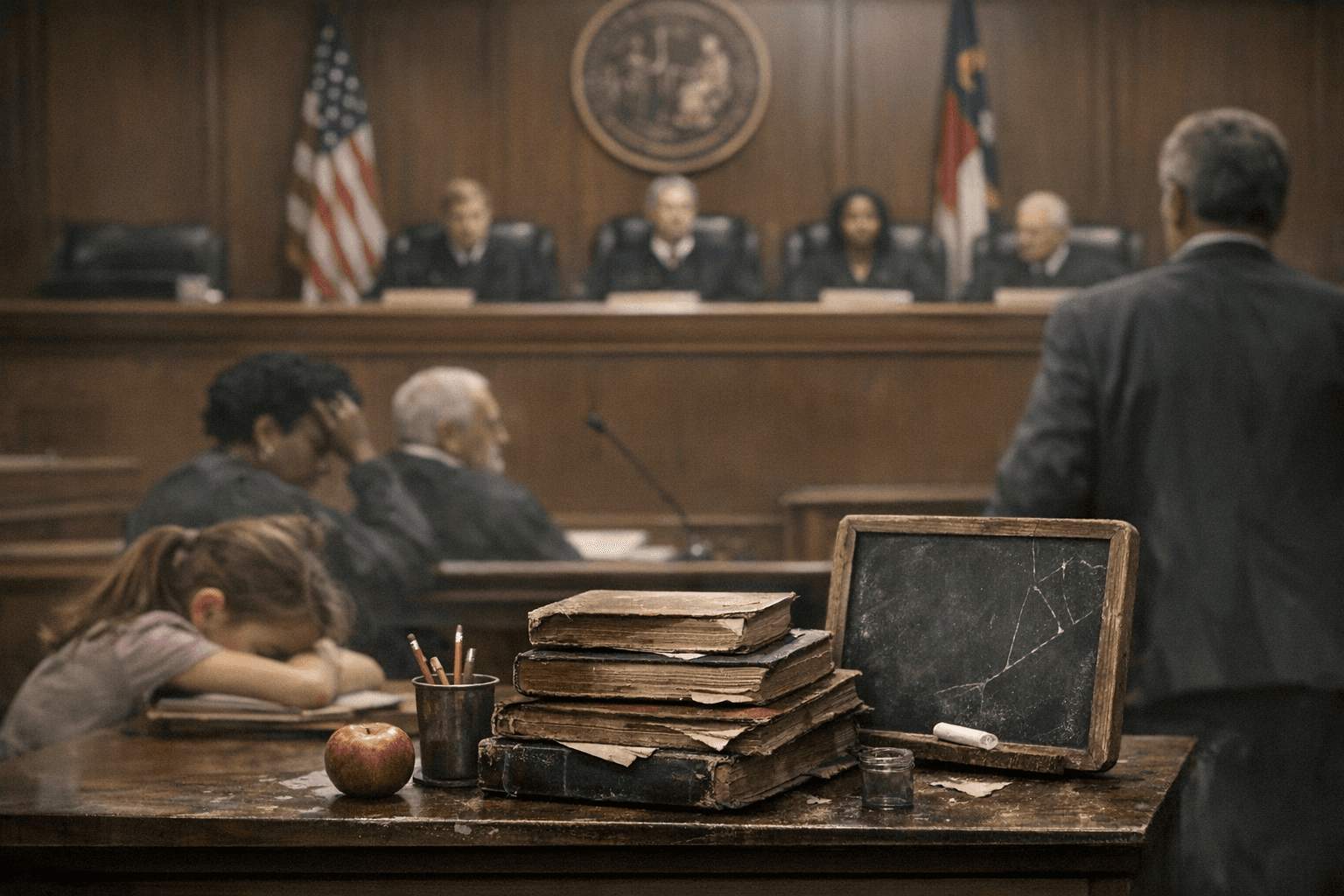
Republican proponents of the ruling argued it restored proper constitutional limits, returning budgetary control to elected representatives rather than unelected judges. That argument now lands squarely on legislators who must decide, within the next one to two legislative cycles, whether to appropriate new funding or allow the inequities Leandro had been addressing to calcify without judicial pressure.
Legal scholars noted that the dismissal with prejudice in significant portions of the opinion could bar future litigation on the same grounds, making legislative action the only viable path forward. Teacher staffing shortages, underfunded early-childhood programs, crumbling facilities, and special education service gaps: all of it now depends entirely on political will rather than constitutional compulsion.
The longer-term implications extend beyond North Carolina. The decision may become a reference point for other states where courts and legislatures are contesting how far judges can go in ordering large-scale funding remedies. For three decades, Leandro stood as evidence that a state court could hold a legislature accountable for guaranteeing an adequate education. The April 3 ruling closed that chapter, and what replaces it is not another legal remedy but an election-year test of whether lawmakers will act when no court can force them to.
This article was produced by Prism’s automated news system from verified source data, official records, and press releases, then run through automated quality and moderation checks before publishing. The system is built and supervised by the people who set the standards it runs under. Read our full AI policy.
Did this article answer your question?

