North Dakota program connects rural seniors to fight loneliness
North Dakota is treating rural loneliness as a health-access problem, using weekly calls and neighbor ties to help seniors stay home as frontier counties age.
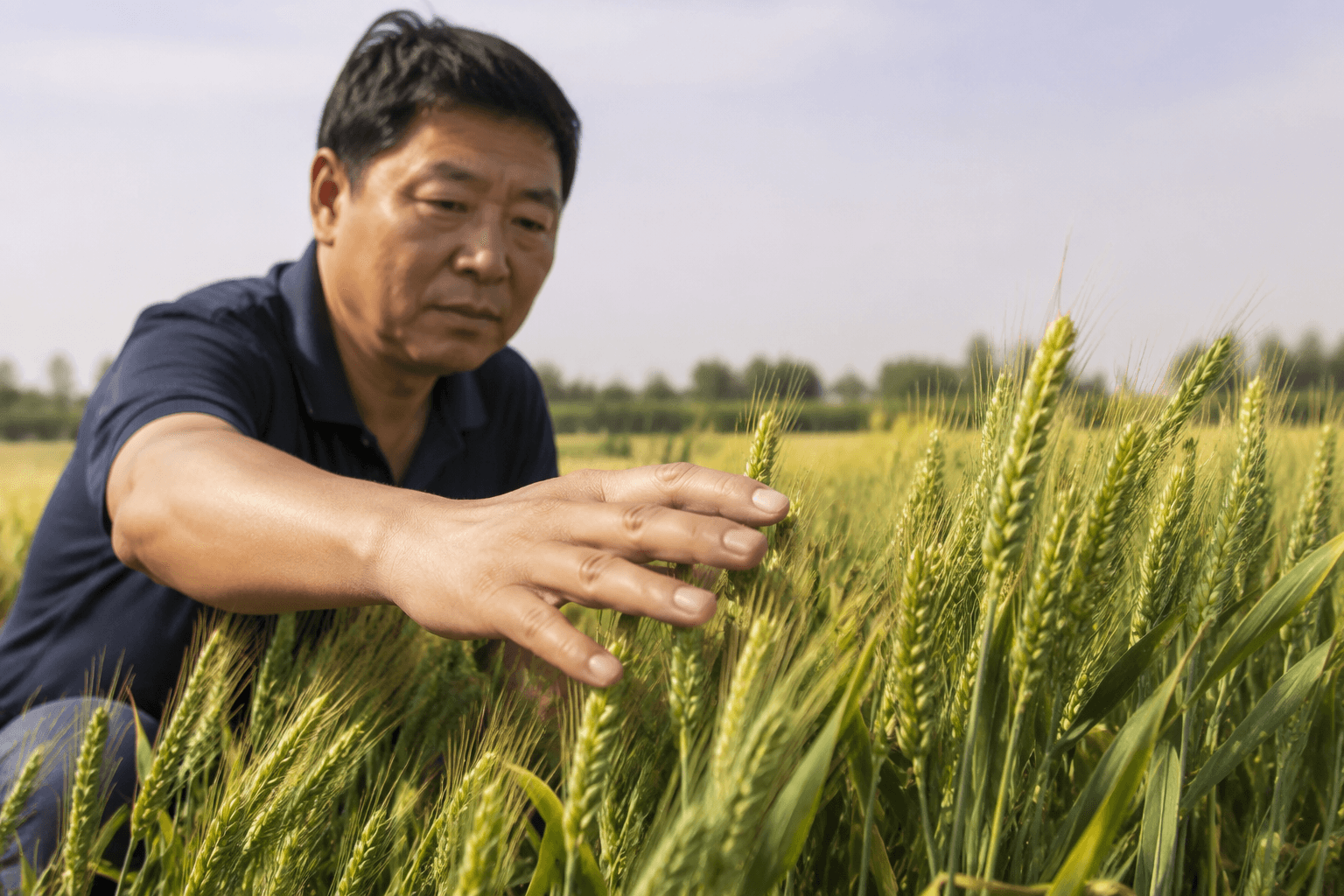
Two-thirds of North Dakota’s 53 counties are designated as frontier, with fewer than six people per square mile. In that kind of distance, ordinary aging can turn into a public-health problem and a policy test.
Why loneliness now sits in the public-health column
In May 2020, the Centers for Disease Control and Prevention warned that loneliness and social isolation affect a significant number of older adults and raise the risk of serious medical conditions, including dementia and premature death. CDC and National Academies materials link social isolation to about a 50% increased risk of dementia.
That warning grew sharper in May 2023, when U.S. Surgeon General Dr. Vivek Murthy called loneliness, isolation and lack of connection a public health crisis. His advisory found that about half of U.S. adults had measurable levels of loneliness even before COVID-19, underscoring that the problem did not begin with the pandemic and will not end with it. In rural places where older adults may live far from clinics, grocery stores, churches and family, the medical and social stakes converge fast.
How Aging in Community tries to keep people home
North Dakota State University Extension built Aging in Community to answer a basic rural question: how do older adults stay in the homes and towns they know when services are thin and distances are long? The project is designed to address service gaps and foster connections so older adults can remain in their homes and communities longer, live independently, and keep building a life where they already belong.
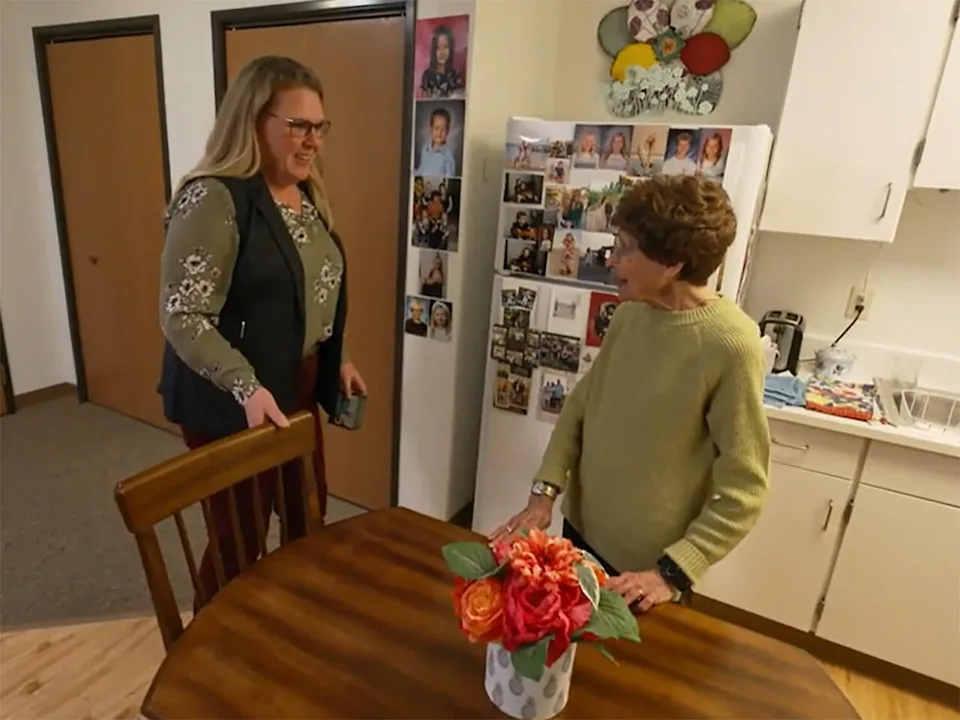
One part of that effort is Caring Connections, which offers older adults weekly phone calls to help combat social isolation. The model is intentionally low-tech because the barrier is often not a lack of will, but a lack of regular contact. A repeated call can do more than fill silence; it can create a reliable check-in point for someone who may be living alone, driving less, or coping with a shrinking circle of nearby supports.
The project aims not just to help older adults stay in their communities, but to thrive. Aging at home depends on whether the surrounding system can still provide health care, everyday assistance and social connection.
Why rural North Dakota makes the problem harder
Older adults often want to stay in their own homes and communities as long as possible, but rural access to health care and resources that support health and wellness can be challenging. In frontier counties, fewer neighbors, longer drives and fewer service options mean that isolation can become both physical and logistical.
North Dakota’s geography makes that challenge unusually visible. With most counties classified as frontier, even a routine doctor visit or a weekly coffee with friends can require real planning. When a person stops driving, loses a spouse or has a new mobility problem, the distance between home and help grows quickly.
A senior can still be living in the same house and lack enough contact, support and access to care to remain safe, engaged and healthy there.
What rural experiments outside North Dakota are showing
North Dakota’s effort fits a wider pattern in rural health. By June 12, 2024, Dr. Hannah Fields, a family physician in Madison, Minnesota, was informally prescribing social connection as an unusual intervention against isolation. That kind of experiment reflects a growing recognition that loneliness is not always solved with a medication list or a referral alone.
In places where formal services are limited, the health system may need to work with neighbors, churches, volunteers and local institutions to create repeated contact points that can catch problems early.
How the program is spreading
In October 2025, North Dakota State University Extension announced that Aging in Community was expanding to Logan, LaMoure, McIntosh and Dickey counties in southern North Dakota.
This article was produced by Prism’s automated news system from verified source data, official records, and press releases, then run through automated quality and moderation checks before publishing. The system is built and supervised by the people who set the standards it runs under. Read our full AI policy.
Did this article answer your question?