Why plants grow stronger when touched by wind and hands
A brush of wind or a hand can make plants shorter and sturdier, because touch triggers measurable growth changes, not feelings or consciousness.
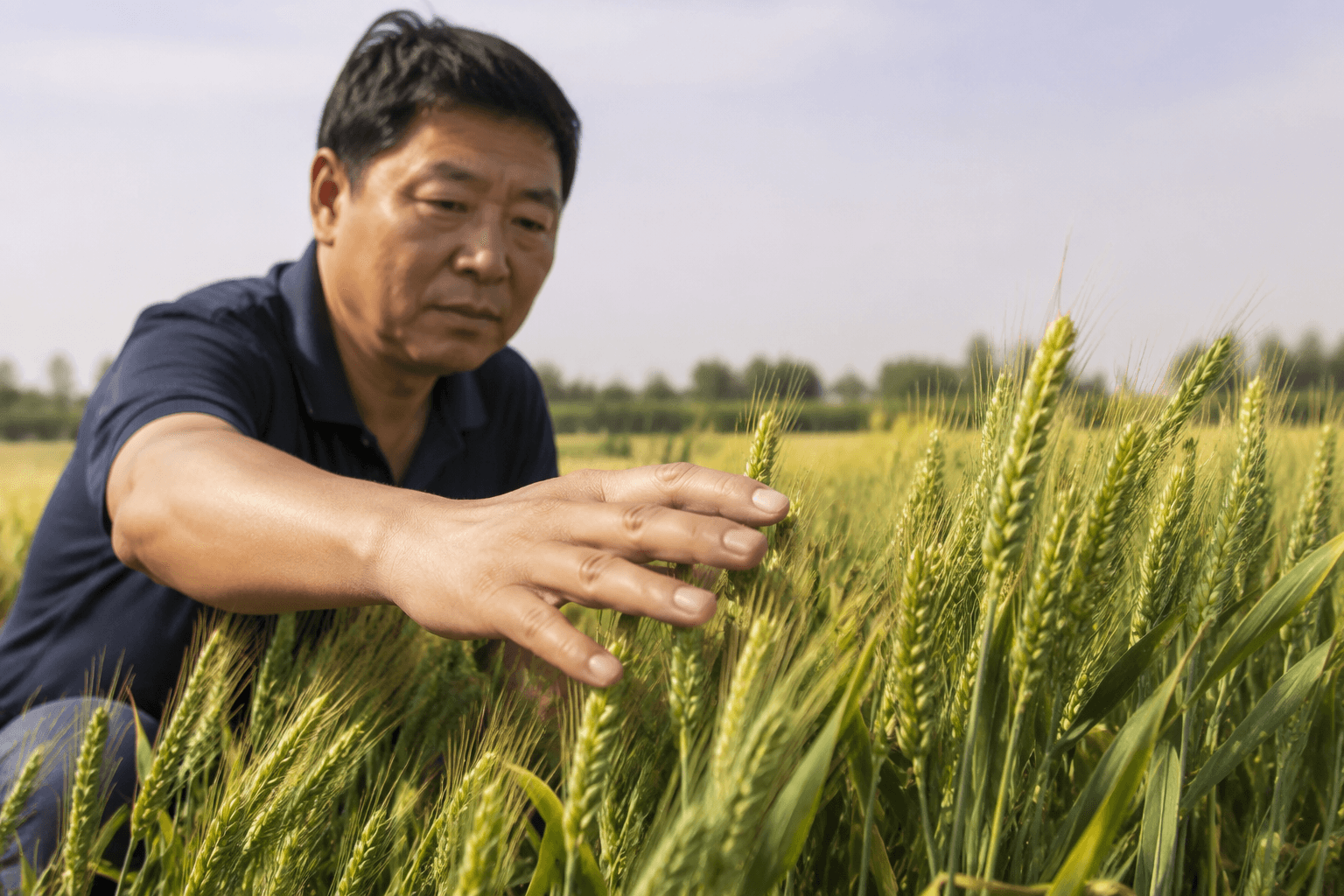
Wind whipping across a stem or a hand brushing past a leaf can change how a plant grows. The response, called thigmomorphogenesis, does not mean plants feel pain or possess consciousness in the human sense; it means they detect mechanical stress and alter growth, often by making stems shorter and thicker.
Touch changes plant architecture
Thigmomorphogenesis is the plant growth response to mechanical stimulation such as touch or wind. Repeated disturbance can reduce stem elongation, increase stem diameter, and produce shorter, sturdier plants that are better able to withstand stress. That pattern has long been observed in plants grown outdoors compared with sheltered conditions, where the lack of wind leaves their form noticeably different.
Wind can produce more compact canopies and other structural changes.
What researchers mean by “feel”
The language around plant perception can sound deceptively human. Plants do not have brains, nerves, or human-like senses, so when scientists say they “feel” touch, they are using shorthand for a real but non-conscious response to mechanical input. Plants can sense environmental stress even though they do not have human-like senses.
Thigmomorphogenesis is not a plant version of emotion, and it is not proof of a hidden mind. It is measurable signaling that changes growth, especially in tissues that lengthen and thicken over time. The response is also very different from the fast movements of Mimosa pudica or a Venus flytrap, which close or snap rapidly; thigmomorphogenesis in higher plants is generally slow and unfolds over time.
Where the term came from
The word thigmomorphogenesis was introduced by plant scientist Mordecai J. Jaffe in 1973. His paper in Planta, titled “Thigmomorphogenesis: The response of plant growth and development to mechanical stimulation,” was published on June 1, 1973 and is indexed in PubMed. In that paper, Jaffe suggested the response should be called thigmomorphogenesis and treated it as an adaptation designed to protect plants from stresses produced by mechanical stimulation.
A 2009 review in the Journal of Experimental Botany described thigmomorphogenesis as a complex plant response to mechano-stimulation and identified Jaffe as the first to introduce the term. That review also reported a concrete laboratory result: touching Arabidopsis plants three times daily can produce thigmomorphogenetic responses such as stunted growth.
Why the finding matters in greenhouses and fields
Thigmomorphogenesis has practical implications in horticulture and agriculture. A 2018 review found that mechanical stimulation can induce commercially relevant plant phenotypes, which places touch and movement squarely in the realm of crop form, strength, and usability. When plants are raised indoors or in greenhouse settings, they may miss the mechanical stimulation they would normally get outdoors from wind and other physical forces.
The response is especially relevant in controlled environments, where growers are shaping plants without the full range of natural cues. A plant grown with little movement may look different from one that has been regularly challenged by air flow, brushing, or other mechanical disturbance. The differences show up in stem thickness, elongation, canopy structure, and resilience.
Why the science deserves a bright line
The temptation to turn plant responsiveness into plant emotions is strong, but the evidence does not support that leap. What researchers can measure is growth architecture changing in response to outside stimulation: shorter stems, thicker stems, and altered structure. What they cannot infer from thigmomorphogenesis alone is consciousness, suffering, or affection.
This article was produced by Prism’s automated news system from verified source data, official records, and press releases, then run through automated quality and moderation checks before publishing. The system is built and supervised by the people who set the standards it runs under. Read our full AI policy.
Did this article answer your question?