North Korea Demands Curbing Japan's Emerging Nuclear Debate, Warns Region
North Korea's state news agency on December 21 condemned a growing Japanese debate about revising its three non nuclear principles, calling the rhetoric an explicit intent to acquire nuclear weapons and saying such ambitions must be curbed. The commentary linked Tokyo's domestic discussion to Washington's approval for South Korea to build nuclear powered submarines, a development that risks intensifying security tensions across East Asia.
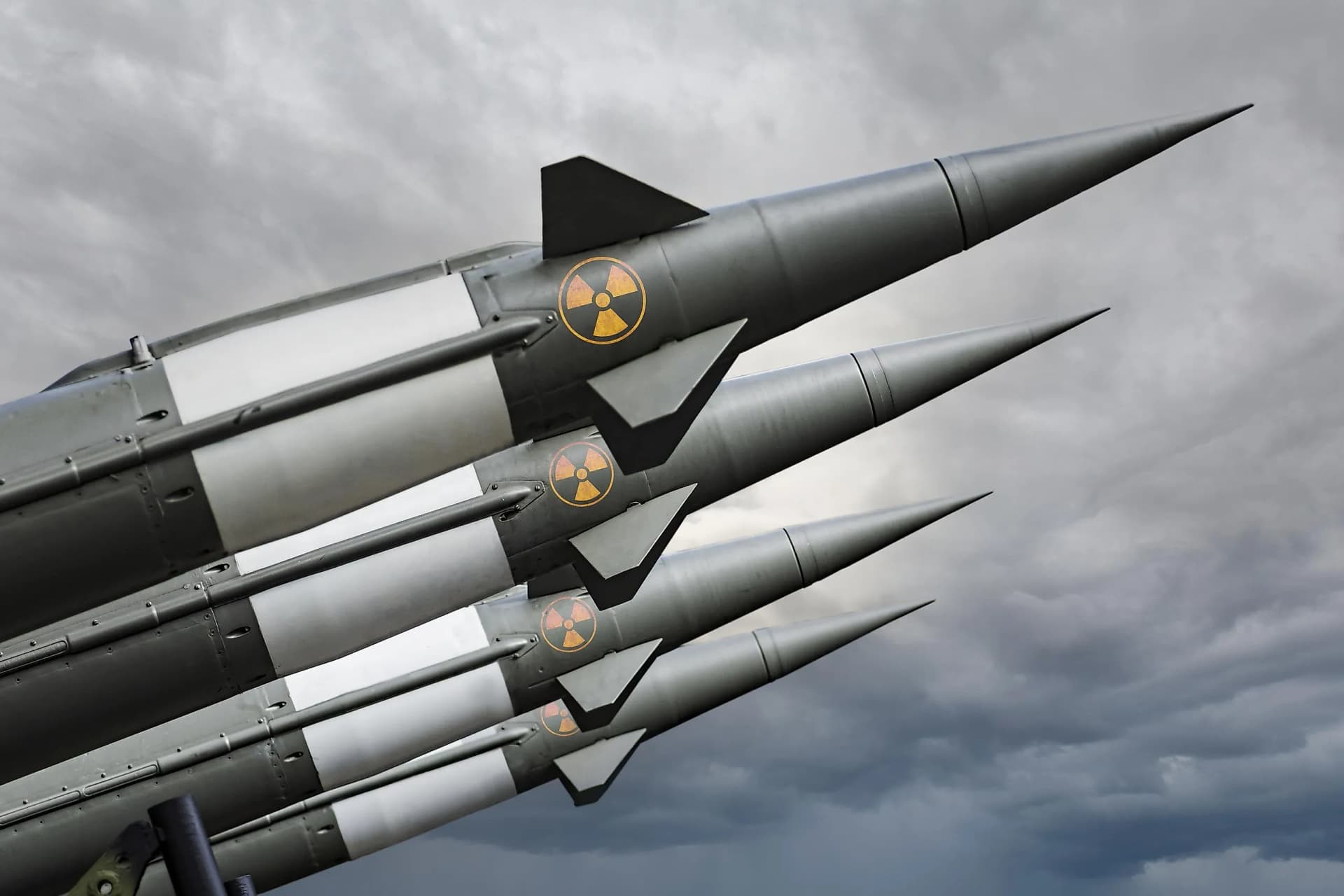
North Korea’s state news agency KCNA published a sharply worded commentary on December 21 that criticized what it called growing Japanese talk of revising Tokyo’s three non nuclear principles. The commentary characterized the domestic debate as an explicit intention to possess nuclear weapons and said those ambitions should be “thoroughly curbed,” language reported by Reuters and Arab News from KCNA’s dispatches.
The commentary was prompted in part by reporting in Japan that quoted an unnamed official in Prime Minister Sanae Takaichi’s office as saying, “I think we should possess nuclear weapons.” Kyodo News carried the original attribution to the official who was described in reporting as involved in devising Japan’s security policy. North Korea’s Institute for Japan Studies, an organ under the Foreign Ministry, condemned the remarks as “very provocative,” Mainichi reported, and its director accused Tokyo of seeking to arm itself “behind the scenes” while publicly advocating for a nuclear free world.
Pyongyang’s statements linked the Japanese debate to recent shifts in regional security posture, in particular U.S. approval for South Korea to develop nuclear powered submarines. KCNA and allied outlets pointed to an October statement by U.S. President Donald Trump, reported in international outlets, in which he said he had given South Korea approval for such vessels after talks with President Lee Jae Myung. Reuters and Arab News explicitly cited that approval when describing an uptick in Japanese debate, a connection Pyongyang used to justify its alarm.
The exchange underscores the fraught balance of power in East Asia. Japan’s three non nuclear principles prohibit the possession, production or introduction of nuclear arms, a domestic pledge that has been central to postwar Japanese security identity. Even discussion of revisiting those principles, however tentative, reverberates across the region and draws scrutiny from neighbors that live under the shadow of nuclear proliferation.
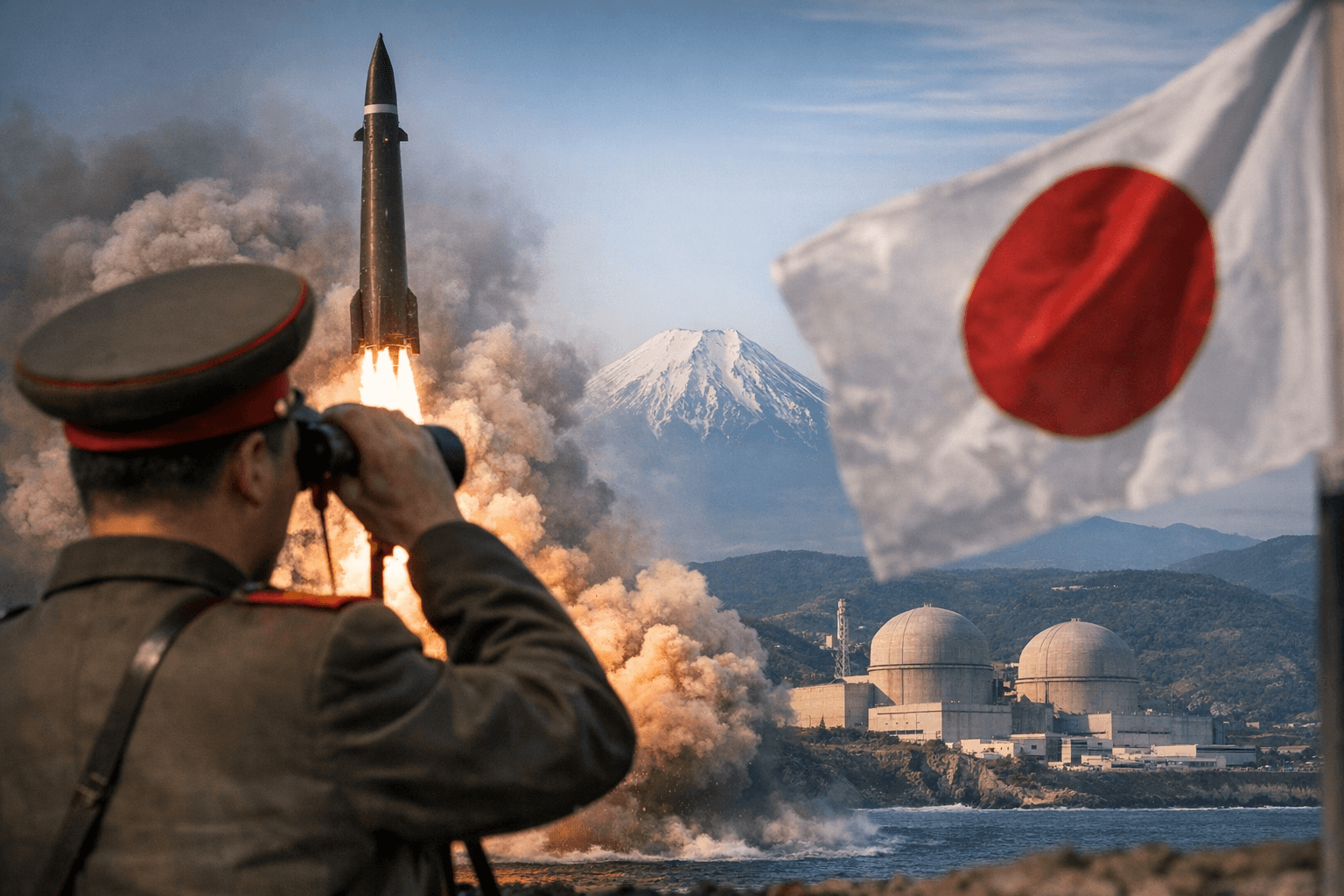
North Korea’s reaction also drew on its long standing rhetorical posture on nuclear weapons. The Japan Times noted earlier statements from Pyongyang, including a September address to the United Nations by Vice Foreign Minister Kim Son Gyong in which he declared that North Korea would never surrender its nuclear weapons. That history frames Pyongyang’s present denunciation as part of a broader pattern of using nuclear rhetoric to justify its own arsenal while seeking to deter perceived shifts among rivals.
Diplomatically the incident complicates already strained ties. Tokyo faces domestic debate about how to respond to evolving threats, while Washington’s security assurances and adjustments, including cooperation with Seoul on submarine capability, are now being read across capitals as adjustments to long standing regional arrangements. For Seoul the approval to pursue nuclear powered submarines is strategic, but it has become a focal point in neighboring capitals and in Pyongyang’s messaging.
As the year closes, the exchange highlights how sensitive language on nuclear policy can provoke rapid regional responses. Analysts say that modest changes in public debate in one country can cascade into security calculations across the region, increasing the risk of an arms dynamic that diplomats and international law have long sought to contain.
This article was produced by Prism’s automated news system from verified source data, official records, and press releases, then run through automated quality and moderation checks before publishing. The system is built and supervised by the people who set the standards it runs under. Read our full AI policy.
Did this article answer your question?