North Korea says its nuclear status is permanent ahead of Xi visit
North Korea used the eve of Xi Jinping’s visit to declare its nuclear status permanent, hardening the odds of any future denuclearization deal.

North Korea used the eve of Xi Jinping’s expected visit to make one point unmistakable: its nuclear status is permanent, not a bargaining chip. Kim Yo Jong, the sister of Kim Jong Un and one of Pyongyang’s most prominent public messengers, said North Korea will never back down from its identity as a nuclear-armed state and will not tolerate threats.
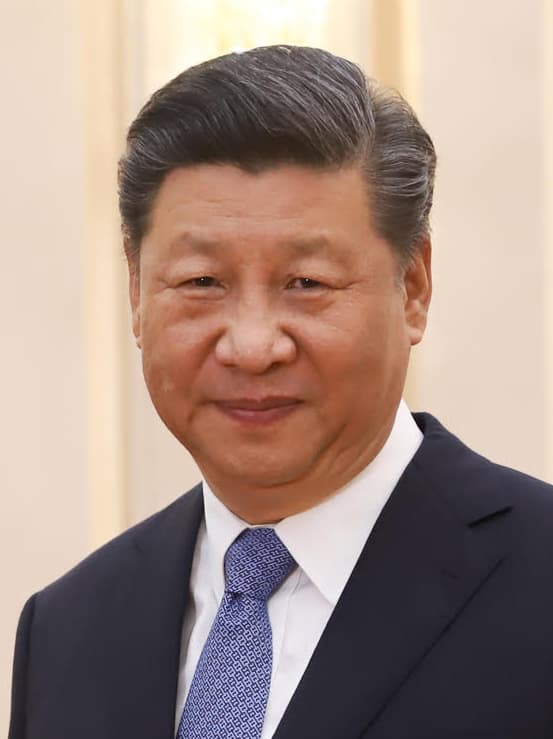
The timing sharpened the message. Xi is set to visit North Korea on June 8 and 9, 2026, his first trip to Pyongyang since June 2019 and his first state visit there in nearly seven years. China remains North Korea’s only formal treaty ally and one of the few powers with real leverage over the regime, which makes the diplomatic backdrop more significant than a routine bilateral meeting.
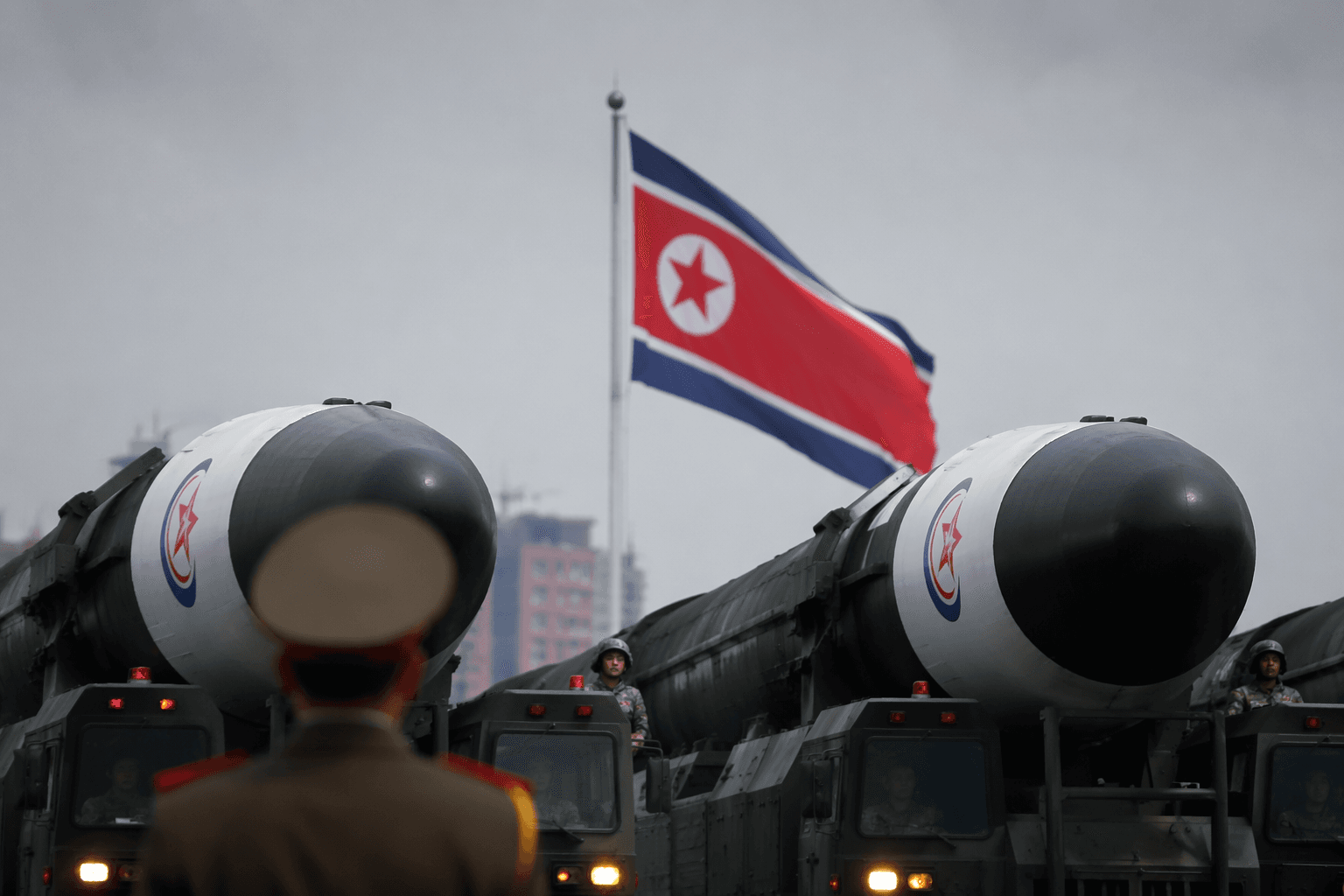
Pyongyang has paired the political signal with an escalation in weapons rhetoric. On June 3, Kim Jong Un visited a newly operational nuclear materials production facility and called for an exponential expansion of the arsenal. State media said the plant used more sophisticated technology, and images of the site suggested it may be a uranium enrichment facility. The facility visit followed a broader push to show that North Korea is not slowing its nuclear program but accelerating it.

The legal and institutional framework points in the same direction. North Korea enshrined its nuclear status in its constitution in September 2023, locking the policy into the state’s governing order. Earlier moves also codified the doctrine in law, including language that allows pre-emptive nuclear strikes. Taken together, those steps show a regime effort to turn nuclear weapons from a negotiating position into a permanent feature of state power.
For Washington and Seoul, the message is that denuclearization talks are not simply stalled but being recast as obsolete. For Beijing, Xi’s visit is likely to center less on arms control than on managing security, economic and strategic ties with a neighbor that now openly defines itself as a nuclear power and shows no sign of disarming.
This article was produced by Prism’s automated news system from verified source data, official records, and press releases, then run through automated quality and moderation checks before publishing. The system is built and supervised by the people who set the standards it runs under. Read our full AI policy.
Know something we missed? Have a correction or additional information?
Submit a Tip