Pentagon raises Israeli spying threat to highest level amid Iran tensions
The Pentagon has placed Israel at the top of its counterintelligence threat scale, a rare move that reflects deepening mistrust over Iran policy and senior U.S. officials.

The Pentagon has raised Israel to the highest level on its counterintelligence threat scale, a striking step for one of Washington’s closest allies and a sign of how sharply the security relationship has frayed over Iran.
The Defense Intelligence Agency recently circulated an internal message elevating Israel’s espionage threat to critical, the top tier, after growing concerns that Israeli activity had become more aggressive than usual. The move follows reporting that the Defense Department’s counterintelligence assessment had been pushed to its highest level amid worries that Israel had eavesdropped on U.S. negotiations with Iran.
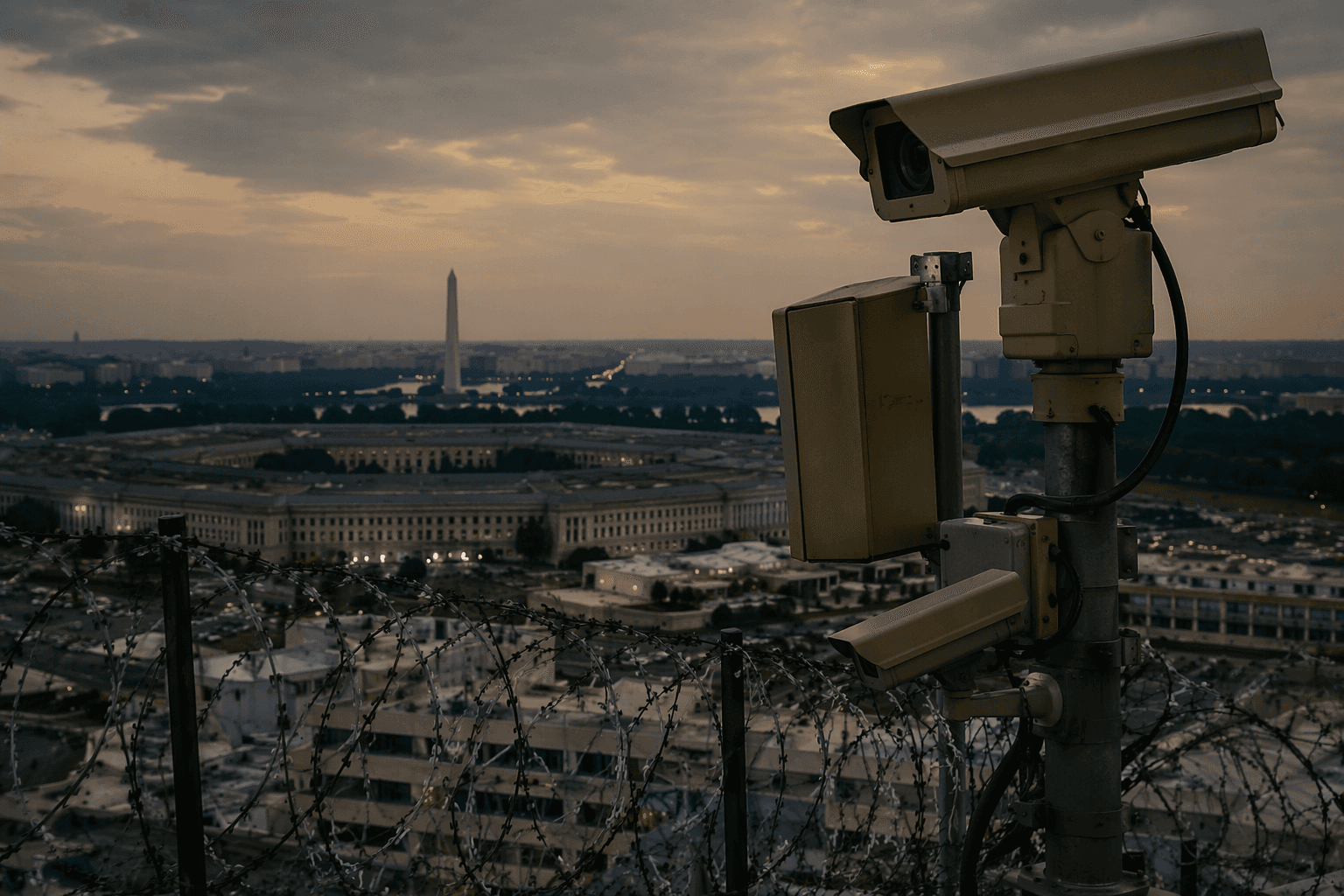
The concern was not abstract. U.S. officials were said to be worried that Israeli intelligence efforts could target Steve Witkoff, President Donald Trump’s special envoy, as well as Elbridge A. Colby, the Pentagon’s senior policy official, and Michael P. DiMino IV, one of Colby’s deputies. The timing matters: the accusation lands as Washington and Jerusalem remain at odds over the war with Iran and over the wider direction of Middle East policy.
Israeli officials rejected the allegations outright. The Israeli Embassy in Washington said Israel does not gather intelligence on American entities or U.S. government officials, while a White House official described the story as false. Those denials underscore the gap between the public alliance, which remains intact, and the private assessments now circulating inside the U.S. defense establishment.
That gap is especially notable given the depth of the relationship. The State Department says the United States has provided Israel with more than $130 billion in bilateral assistance since Israel’s founding in 1948. Even so, the latest episode suggests that the intelligence dimension of the partnership is being scrutinized more aggressively than at any recent point.
The dispute also comes as the United States has been trying to manage wider regional tensions. Washington convened the fourth high-level trilateral meeting between Israeli and Lebanese representatives on June 2 and 3, and the State Department said on June 3 that Israel and Lebanon agreed to implement a ceasefire. Against that backdrop, the new espionage alarm highlights how fragile the diplomatic balance has become.
For U.S. officials, the broader message is uncomfortable but clear: strategic cooperation with Israel remains extensive, yet the intelligence threat picture has changed enough to put a longtime ally on the same internal warning scale used for far less trusted states.
This article was produced by Prism’s automated news system from verified source data, official records, and press releases, then run through automated quality and moderation checks before publishing. The system is built and supervised by the people who set the standards it runs under. Read our full AI policy.
Know something we missed? Have a correction or additional information?
Submit a Tip