Severe storms threaten central U.S., while Iran and U.S. trade strikes
Damaging winds were the main threat north of U.S. Route 36 as storms and flood risk spread from Texas to the mid-Mississippi Valley. Iran and the U.S. also traded fresh strikes.
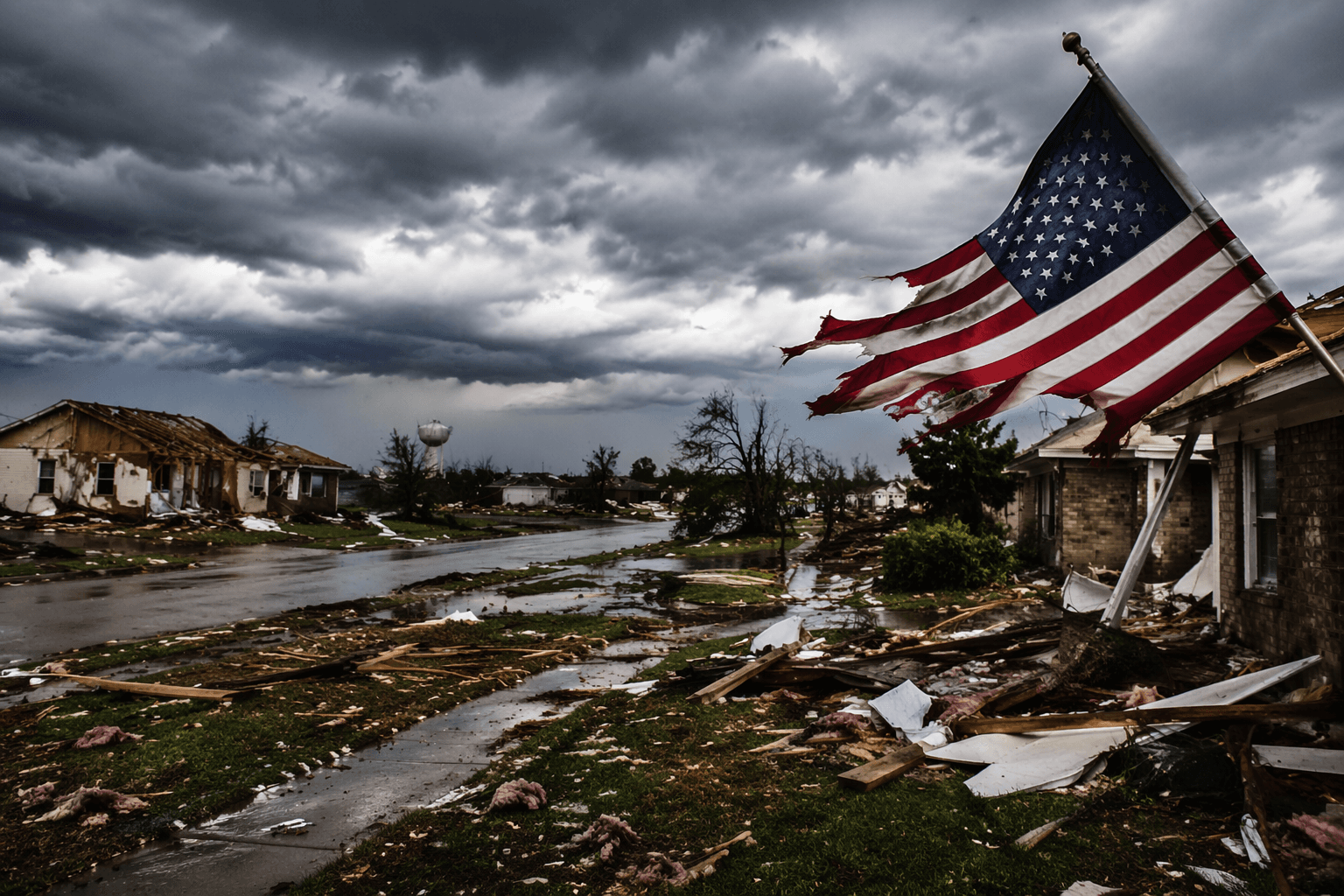
Damaging winds emerged as the chief severe threat across parts of the central U.S., with the National Weather Service warning that thunderstorms capable of large hail, isolated tornadoes and heavy rain could persist through the weekend. In a June 6 briefing, officials said some storms could be strong to severe, mainly north of U.S. Route 36, while flooding concerns were highest where rain had already fallen in recent days.
The rainfall risk stretched from Texas into the mid-Mississippi Valley, where heavy to excessive downpours could quickly overwhelm low-lying streets, small streams and already saturated ground. That is the kind of setup that turns a storm line into a public safety problem, especially for communities with limited drainage, aging roads or homes already weakened by repeated flooding. The weather service also said hazardous heat may build next week, with temperatures in the 90s and possible heat index values above 100 degrees, adding another strain after the storms pass.
The combination of hail, wind and flooding left a wide corridor of the central U.S. facing more than one hazard at once. Residents in the hardest-hit zones were likely to see the strongest winds as the primary severe threat, but the deeper danger in the storm track was water, especially where rain kept falling on ground that could not absorb much more.
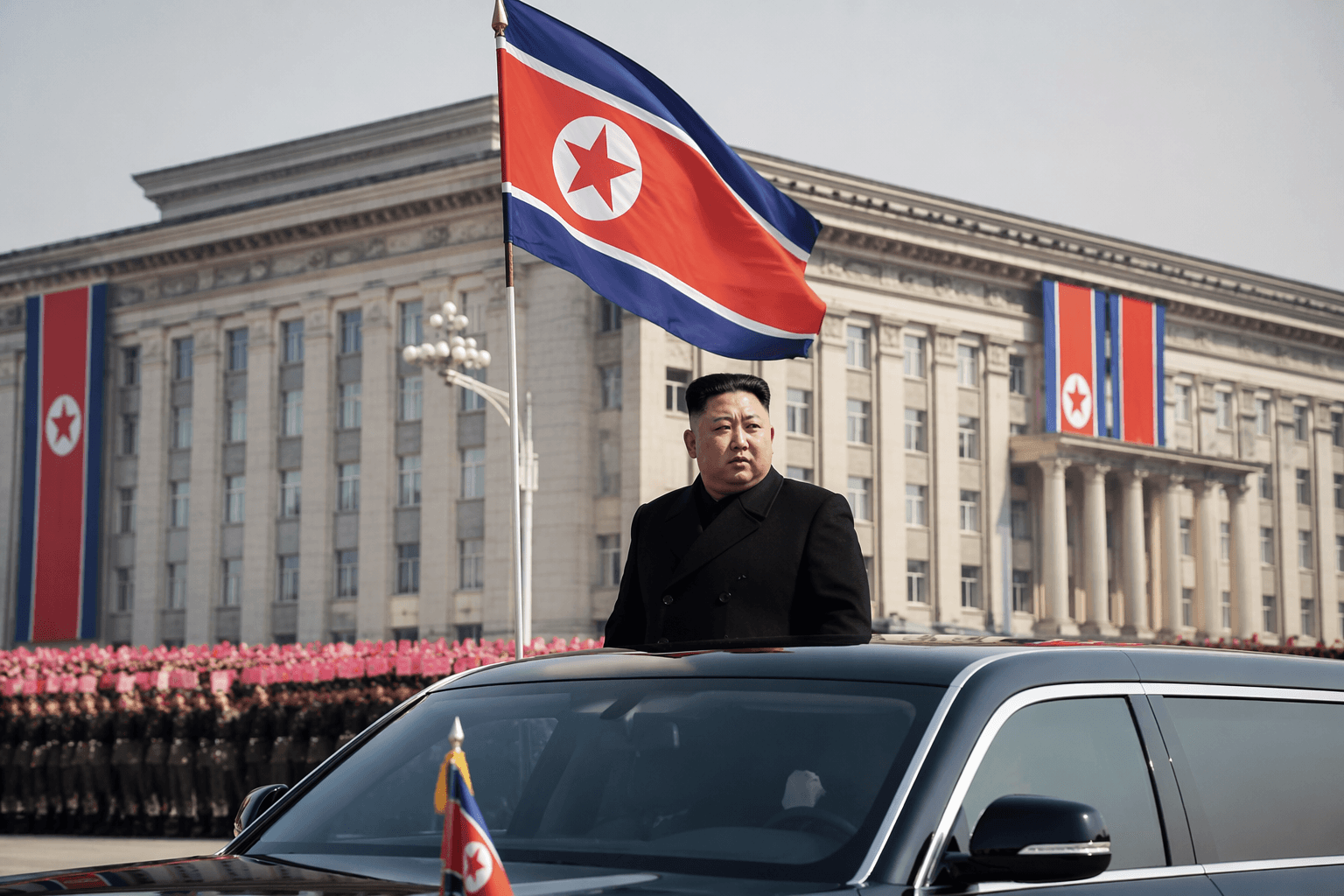
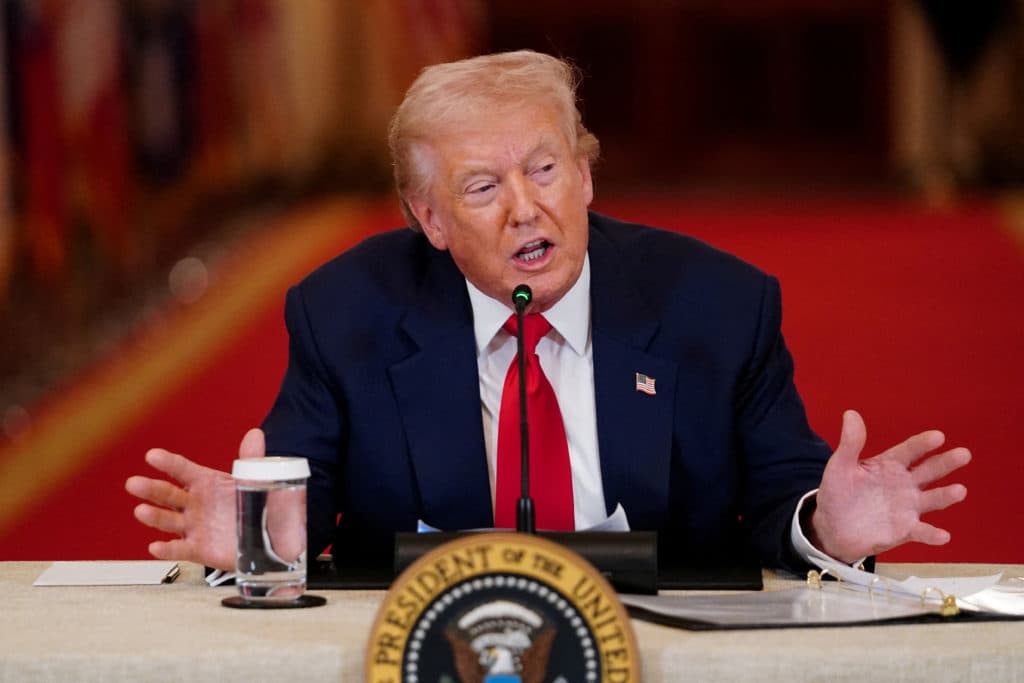
Overseas, the escalation between Iran and the United States intensified the same day. Iran accused the United States on Saturday, June 6, of violating a fragile ceasefire after the U.S. military said it shot down six Iranian one-way attack drones over the previous two days, all headed toward the Strait of Hormuz. The military also said seven ballistic missiles fired at Kuwait and Bahrain were largely intercepted, with six stopped and one missing its target.
The United States then retaliated with strikes on Iranian coastal surveillance radar sites in Goruk and on Qeshm Island. The diplomatic track remained stalled as an adviser to Iran’s supreme leader said negotiations were at a deadlock and urged Washington to unfreeze billions in Iranian assets.
This article was produced by Prism’s automated news system from verified source data, official records, and press releases, then run through automated quality and moderation checks before publishing. The system is built and supervised by the people who set the standards it runs under. Read our full AI policy.
Know something we missed? Have a correction or additional information?
Submit a Tip