Xi visits North Korea as Pyongyang doubles down on nukes
Xi Jinping will visit Pyongyang for the first time since 2019 as Kim Yo Jong rejects denuclearization and North Korea expands its nuclear program.

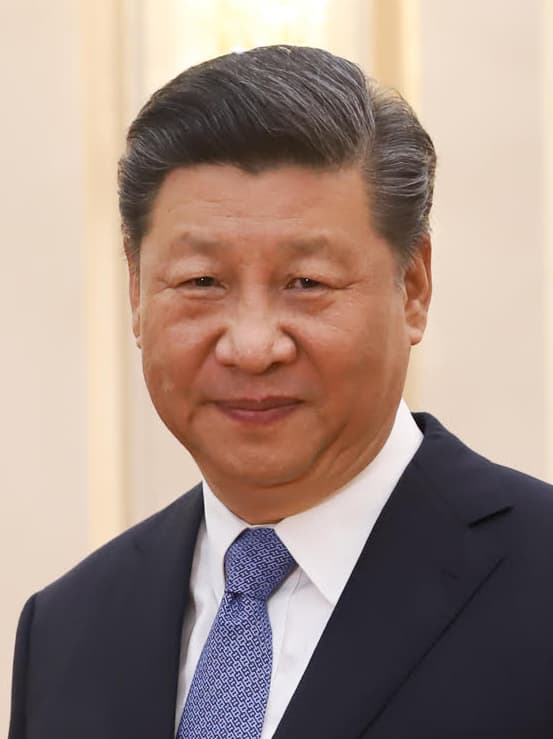
Xi Jinping will make his first trip to North Korea since 2019 on June 8-9, using a rare face-to-face with Kim Jong Un to signal that Beijing still wants to shape the balance of power on the Korean Peninsula. The state visit, made at Kim’s invitation, comes as Pyongyang pushes ahead with its nuclear program and deepens ties with Russia, leaving Washington, Seoul and Tokyo to parse what China is trying to control, and what it can no longer contain.
The timing is deliberate. Xi’s trip is his inaugural overseas visit of 2026, and it comes after a long stretch in which Beijing has tried to reassert influence over a neighbor that often behaves like a security liability and a strategic asset at the same time. China wants to keep North Korea from drifting too far into Russia’s orbit, preserve leverage over a nuclear-armed state on its border, and remind the region that no serious discussion of Korean security can ignore Beijing.
Pyongyang offered little sign of compromise before Xi’s arrival. Kim Yo Jong said North Korea will never back down from its status as a nuclear-armed state, and she dismissed U.S. denuclearization efforts as an anachronistic dream. Her warning followed North Korea’s public unveiling of a new nuclear materials and uranium-enrichment facility, where Kim Jong Un inspected centrifuges and vowed to strengthen the country’s nuclear forces at an exponential rate.
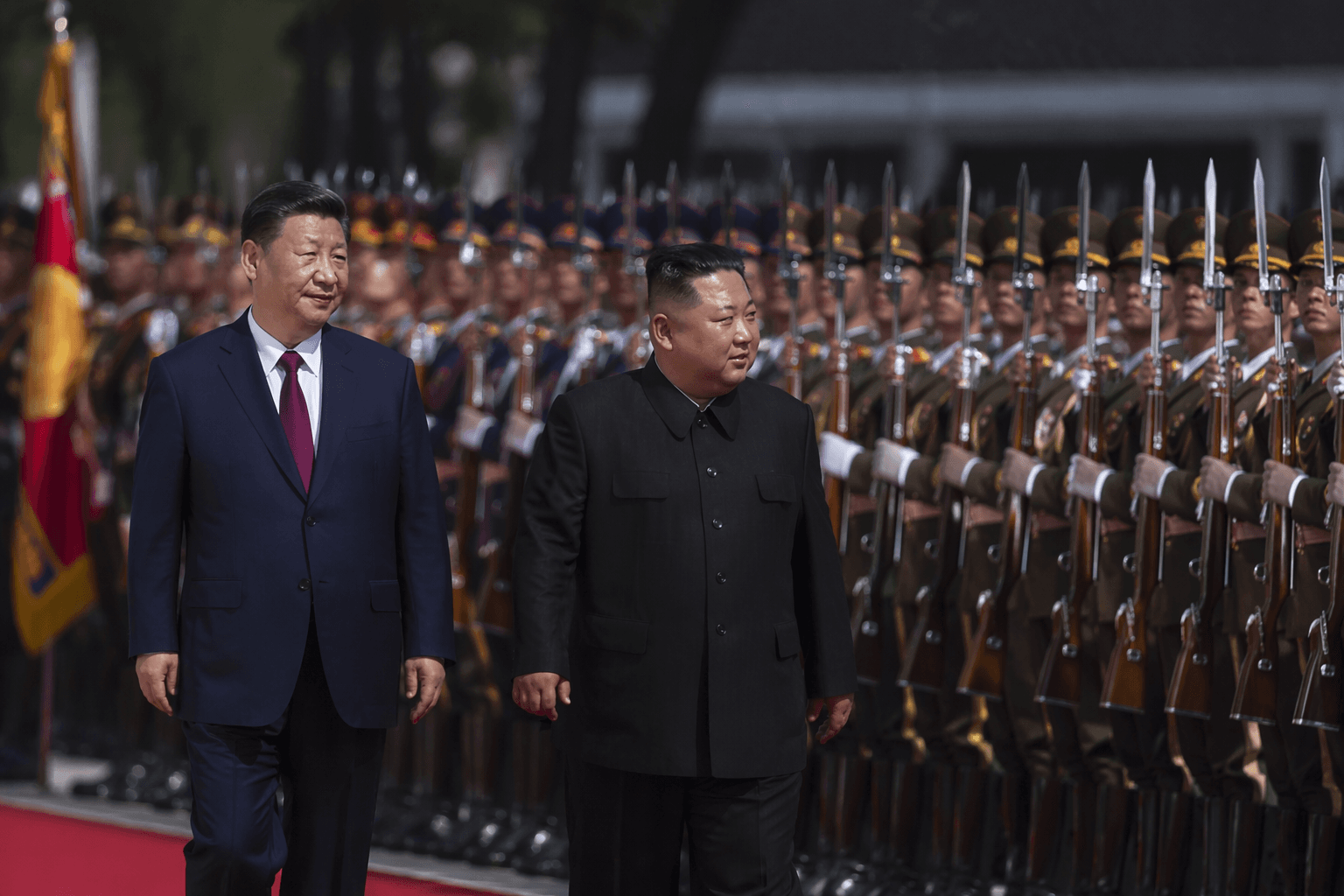
The visit also carries heavy symbolism. Xi last traveled to North Korea in June 2019, the first visit by a Chinese head of state in 14 years. This trip is being watched as a test of whether Beijing can still steer Kim’s calculations, especially after North Korea’s foreign policy shifted sharply toward Moscow following Russia’s invasion of Ukraine. The move also sends a message to South Korea, whose officials have said they expect China to play a constructive role on Korean Peninsula issues.
June 11, the 65th anniversary of the DPRK-China Treaty of Friendship, Cooperation and Mutual Assistance, had been floated as a possible symbolic date before the June 8-9 schedule was confirmed. That choice underscores how closely Beijing and Pyongyang still trade in political theater, even as the substance of the relationship is increasingly defined by missiles, sanctions pressure and regional rivalry.
The economic underpinning remains real. China-North Korea trade rebounded in 2025 to 19.6 billion yuan, or US$2.85 billion, up 26 percent from a year earlier and close to pre-pandemic levels. For Washington, Seoul and Tokyo, the message is clear: Beijing still has reach in Pyongyang, but it is dealing with an ally that is more defiant, more nuclearized and less predictable than the one China wants to manage.
This article was produced by Prism’s automated news system from verified source data, official records, and press releases, then run through automated quality and moderation checks before publishing. The system is built and supervised by the people who set the standards it runs under. Read our full AI policy.
Know something we missed? Have a correction or additional information?
Submit a Tip