Trump aid cuts disrupt HIV care, costing lives in Africa
A U.S. aid freeze tied to PEPFAR has cut HIV testing, medicine delivery and prevention work in South Africa and Mozambique, putting lives at risk.
A U.S. funding freeze that moved from Washington through the bureaucracy to African clinics has already disrupted HIV care in South Africa and Mozambique, where health workers say patients missed testing, treatment and prevention services. Providers in both countries say the cancellation or redirection of PEPFAR money under the Trump administration endangered vulnerable people and, in some cases, cost lives.
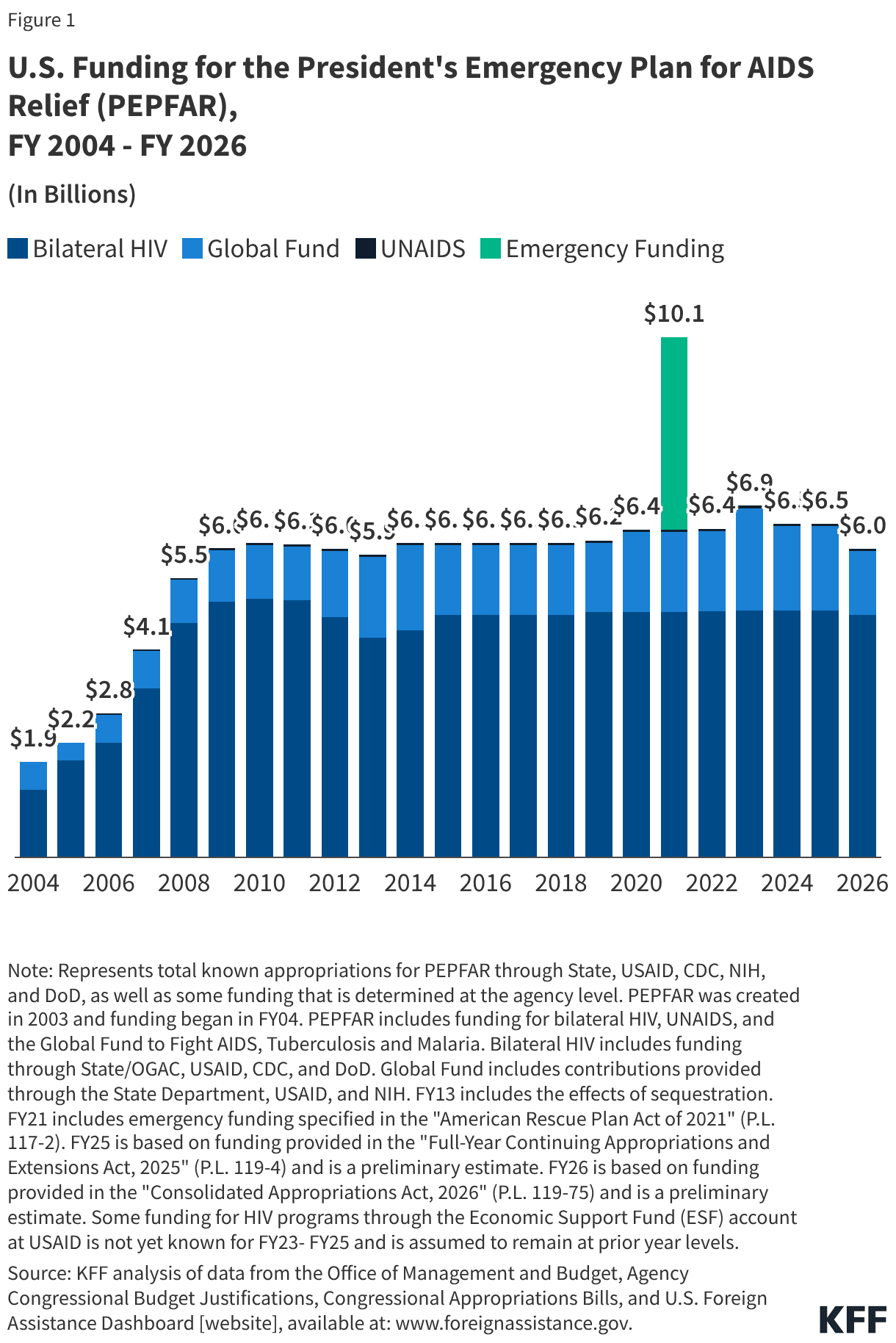
PEPFAR, the President’s Emergency Plan for AIDS Relief, launched in 2003 after the United States Leadership Against Global HIV/AIDS, Tuberculosis, and Malaria Act of 2003 was signed on May 27, 2003. Backed for years by Democrats and Republicans, the program has been credited by U.S. government estimates with saving roughly 26 million lives while supporting HIV prevention and treatment services around the world.
That system was jolted when the Trump administration ordered a 90-day foreign-aid review, imposed a stop-work order, dissolved USAID and canceled most foreign-assistance awards, according to a KFF review. Even where humanitarian waivers existed for life-saving work, implementers struggled to get them approved, leaving clinics and partner organizations unable to plan, staff or supply routine services with confidence.
The result was felt across sub-Saharan Africa. KFF said UNAIDS offices identified losses of thousands of HIV health workers in Kenya, Malawi, South Africa and Mozambique, along with disruptions to diagnostic and treatment services. That has hit the basic mechanics of care: whether a patient can be tested, whether a clinic has antiretroviral drugs to hand out, and whether prevention programs can keep operating before infections spread.
The stakes are especially high in South Africa, which carries one of the world’s largest HIV burdens, and in Mozambique, where U.S.-supported HIV infrastructure is deeply woven into local care systems. Health policy groups warn that abrupt changes in U.S. aid risk reversing two decades of progress against HIV/AIDS, with more infections, treatment interruptions and avoidable deaths likely if funding remains unstable.
For countries that built major parts of their HIV response around U.S. support, the policy shift signaled more than a budget dispute. It exposed how quickly a decision made in Washington can reach a clinic in Johannesburg or Maputo, interrupt medication, thin staffing and weaken prevention work that had helped keep the epidemic in check.
This article was produced by Prism’s automated news system from verified source data, official records, and press releases, then run through automated quality and moderation checks before publishing. The system is built and supervised by the people who set the standards it runs under. Read our full AI policy.
Know something we missed? Have a correction or additional information?
Submit a Tip