Russian drone hits Chornobyl nuclear waste facility, no radiation spike
Zelensky put a Chornobyl drone strike at the center of the day’s diplomacy as he headed into London talks on tougher support for Ukraine.
Volodymyr Zelensky used a Russian drone strike near Chornobyl to sharpen the diplomatic pressure before high-level talks in London, where he was scheduled to meet Keir Starmer, Emmanuel Macron and Friedrich Merz on Sunday, June 7, 2026. The timing mattered as much as the damage: Kyiv moved quickly to cast the attack as another test of Western resolve, even as Ukrainian and international monitors said radiation levels stayed stable.
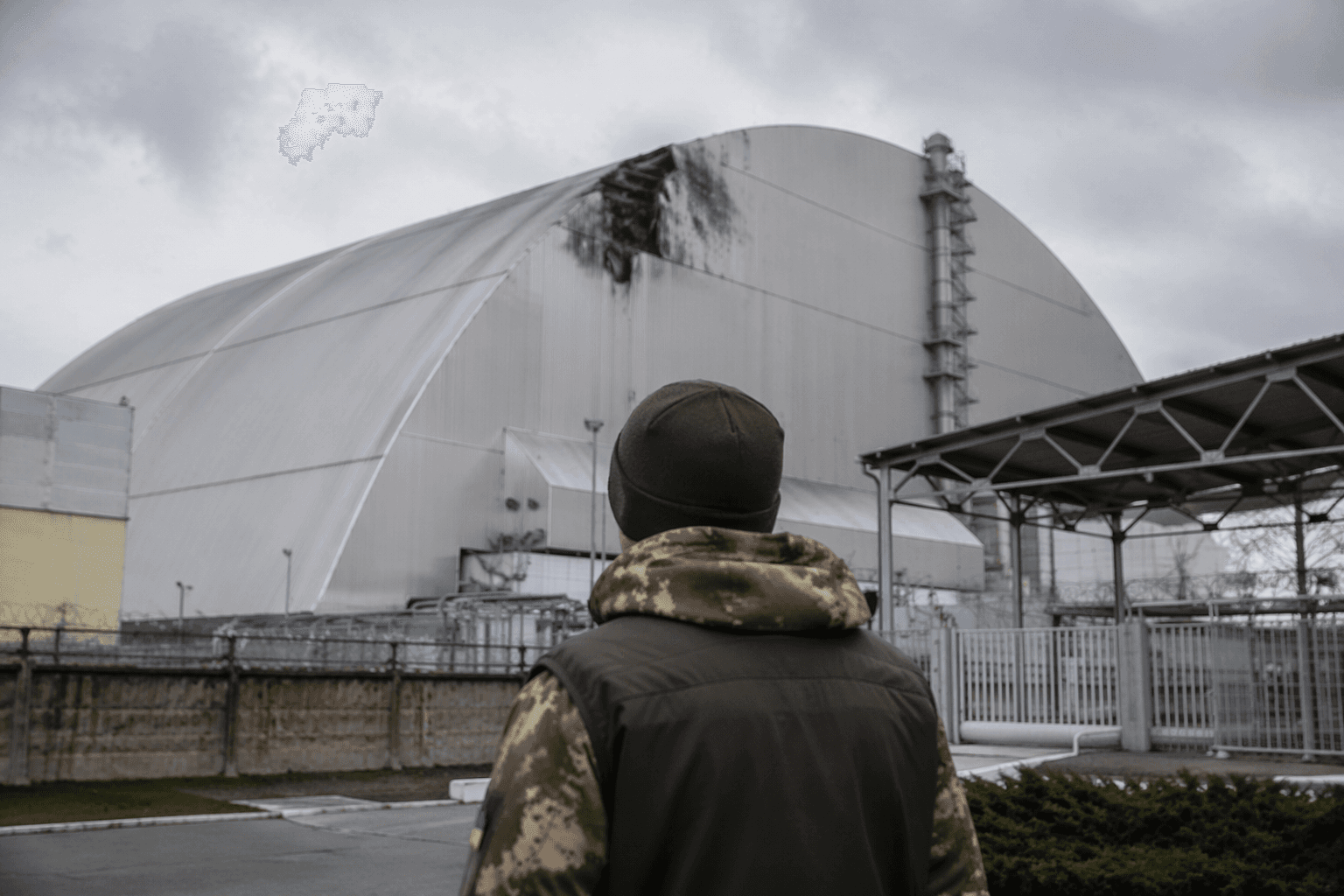
Zelensky said a Shahed-type drone hit a spent nuclear fuel storage facility near the Chornobyl nuclear plant and called it an "extremely vile" attack. He said there was no spike in radiation and that levels remained stable. Energoatom said part of the Centralized Spent Nuclear Fuel Storage Facility in the Chornobyl Exclusion Zone was damaged, including a fuel-reception building. The International Atomic Energy Agency said the strike did not cause any release of radioactive material.
The London talks were expected to focus on continued support for Ukraine and on increasing pressure on Russia’s war effort. Zelensky’s decision to spotlight Chornobyl before that meeting underscored how Ukraine is trying to keep nuclear safety at the center of the war’s diplomatic agenda, pressing allies to treat attacks on energy and nuclear infrastructure as a broader security threat, not just another battlefield incident.
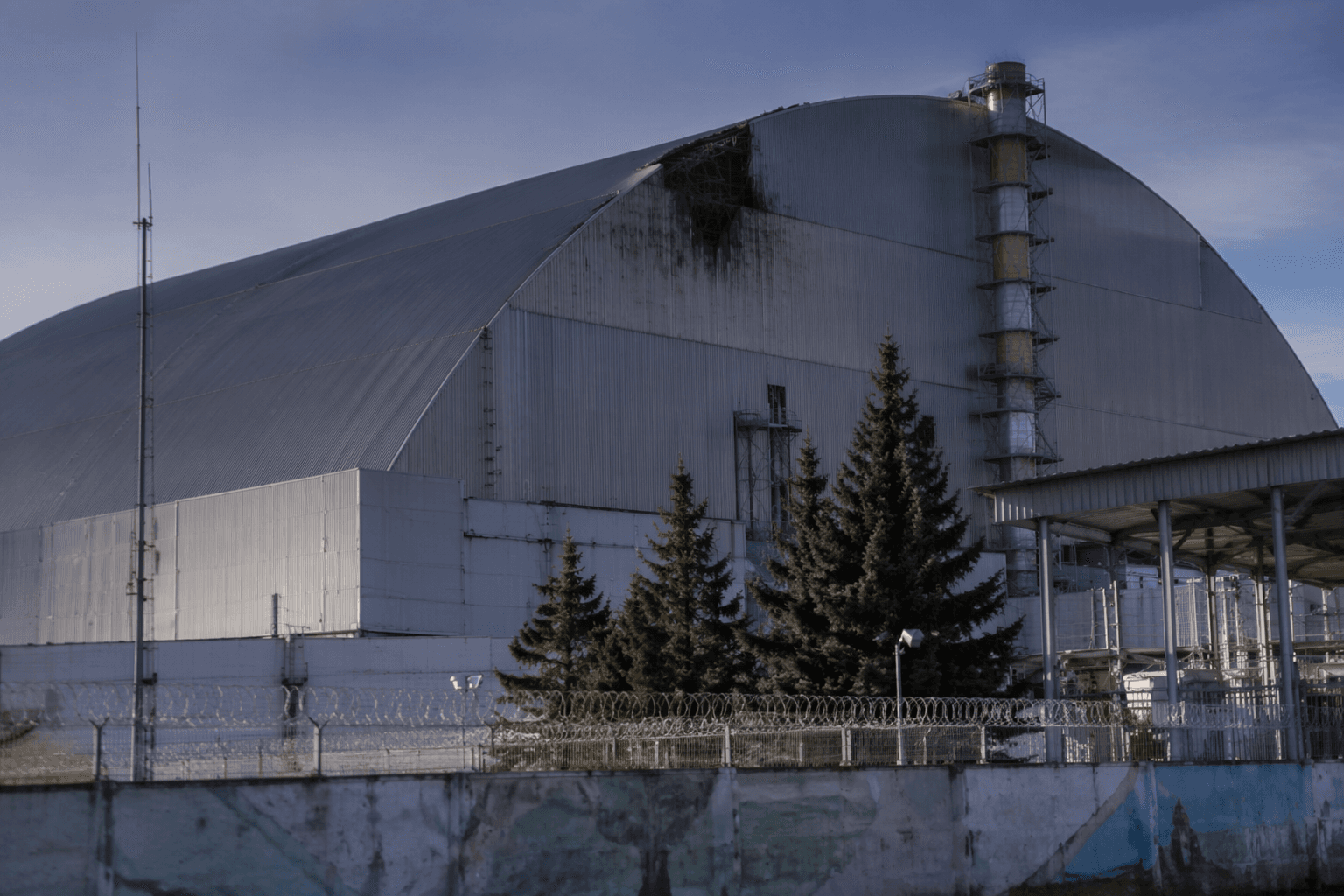
Chornobyl remains one of the most sensitive sites in Europe for that argument. In February 2025, a drone pierced the New Safe Confinement over reactor Unit 4, sparking fires and causing extensive damage to the outer cladding. The IAEA later said the strike did not lead to a radioactive release, and by March and April firefighters had brought the situation under control while temporary repairs got under way. The New Safe Confinement, completed in 2016 with major international support, was built to contain the destroyed reactor from the 1986 Chornobyl disaster and prevent any radioactive release.
The latest strike adds to a pattern that has unsettled nuclear officials throughout the war. The IAEA has repeatedly warned that military activity in Ukraine has threatened nuclear infrastructure, including substations essential to power supply for nuclear plants. For Kyiv, the Chornobyl attack is both a safety alarm and a negotiating tool, a reminder that nuclear risk remains inseparable from the wider fight over Western backing and Russia’s war strategy.
This article was produced by Prism’s automated news system from verified source data, official records, and press releases, then run through automated quality and moderation checks before publishing. The system is built and supervised by the people who set the standards it runs under. Read our full AI policy.
Know something we missed? Have a correction or additional information?
Submit a Tip