India bets $9 billion on Great Nicobar megaport and new city
India is pushing a 81,000 crore to 92,000 crore wager on Great Nicobar, where a megaport, airport and new city could redraw trade, strategy and tribal land.
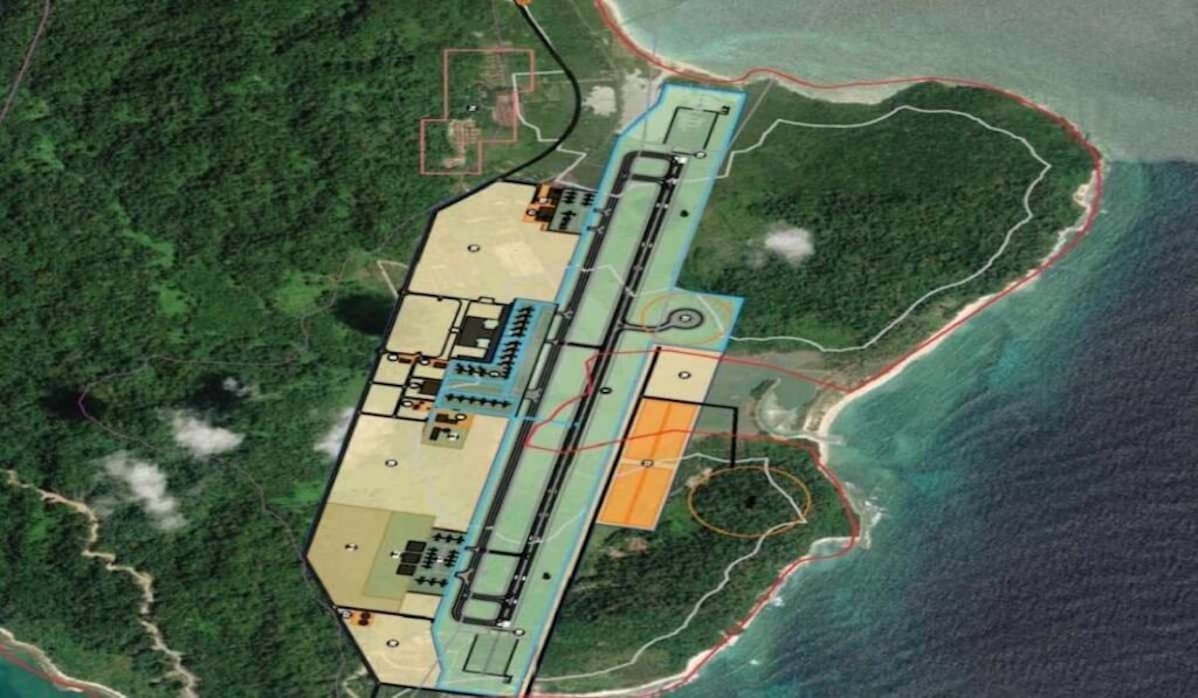
At the southern edge of the Bay of Bengal, Great Nicobar is being recast as a strategic gateway and a development test case. The government’s plan, valued in recent reporting at 81,000 crore to 92,000 crore, bundles an international container transshipment port, an airport, a gas-fired power plant and a greenfield township and tourism zone into one of India’s most ambitious island projects.
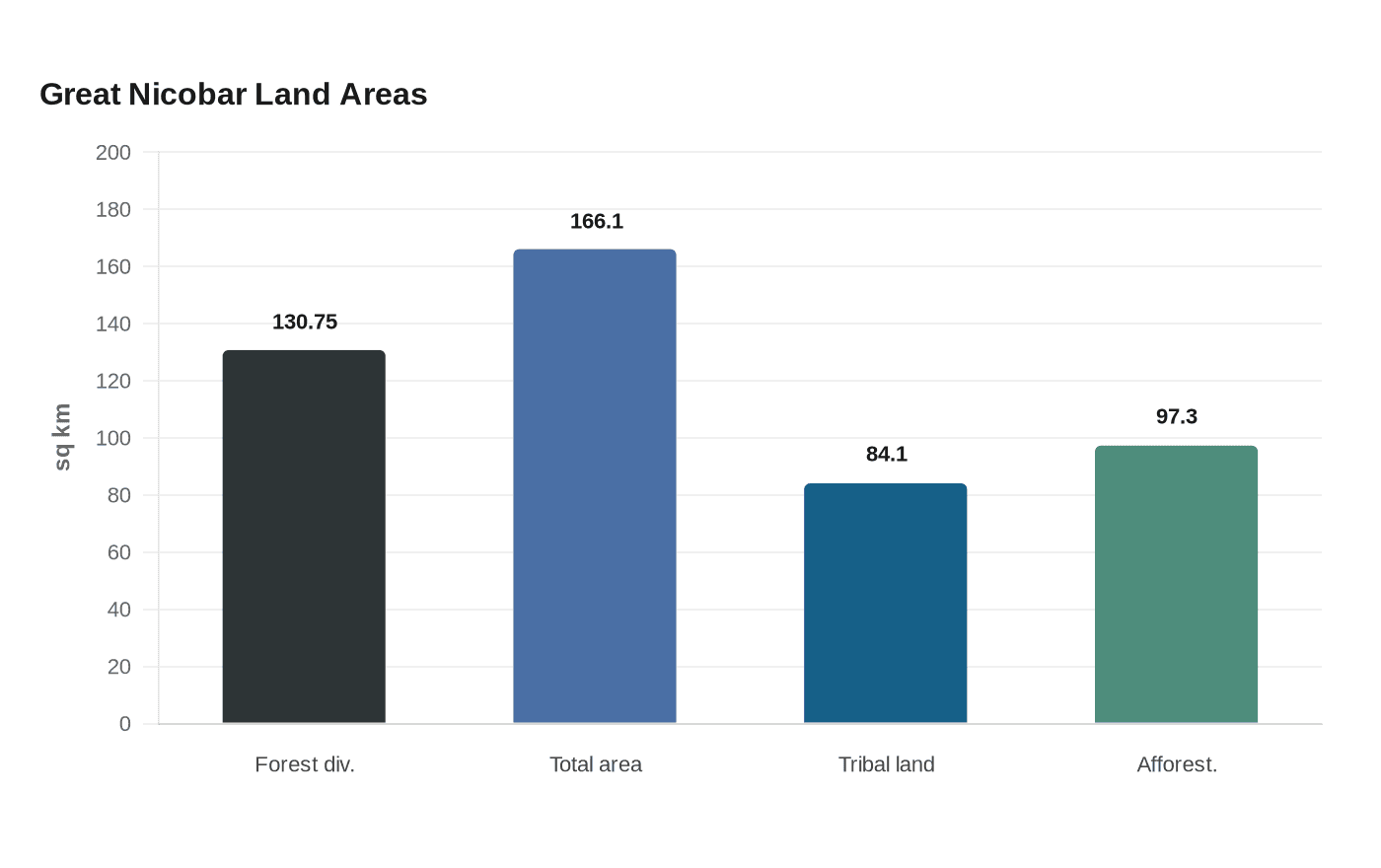
The scale is what makes the proposal so fraught. Government material says the project would require diversion of 130.75 sq km of forest land, while the total project area has been cited at 166.10 sq km, including 84.10 sq km of tribal land. Stage-1 forest approval for the diversion was given on October 27, 2022, and compensatory afforestation over 97.30 sq km has been planned. The project has also been said to come with 42 compliance conditions, underscoring how far regulators have gone in trying to structure the clearance.
Even after that paperwork, the controversy has not eased. In February 2026, the National Green Tribunal refused to interfere with the environmental clearance, removing a major legal hurdle and citing the project’s strategic importance alongside safeguards. The government has argued that the island fits India’s Indo-Pacific interests and could reduce dependence on foreign transshipment hubs, but critics see a project being pushed through on strategic rhetoric while ecological and human costs are pushed aside.
Those costs are potentially enormous. Reporting has said nearly 1 million trees may be felled in an area described as one of the last large stretches of relatively undisturbed tropical forest in the region. The site also lies near sensitive coral reefs and leatherback turtle nesting grounds, raising fears that the damage will extend well beyond the cleared footprint. Officials have said no displacement of Shompen or Nicobarese communities is proposed, but the project sits on a landscape where the Shompen, a Particularly Vulnerable Tribal Group, live in the island’s interior and numbered just 229 in the 2011 census.
The strategic case has grown more explicit as the commercial case has been questioned. The port is now being discussed as a facility capable of handling 16 million containers a year, with commissioning projected for 2028 in some reporting. Yet in August 2024, the Public Investment Board reportedly said the proposal lacked strategic objectives, a sharp rebuke that exposed tensions inside the state’s own planning apparatus. At the same time, the Shipping Ministry floated extra cruise terminals, high-end tourism, shipbuilding and ship-breaking facilities, widening the project from a port into a full-fledged coastal economy.
That broadening scope has sharpened political attacks from Sonia Gandhi, Rahul Gandhi and others, who have cast Great Nicobar as a showdown over development, security and prestige. The question now is whether India is building a trade hub for the Indian Ocean or locking in a costly island experiment that could permanently alter tribal land, forests and fragile marine ecosystems.
This article was produced by Prism’s automated news system from verified source data, official records, and press releases, then run through automated quality and moderation checks before publishing. The system is built and supervised by the people who set the standards it runs under. Read our full AI policy.
Know something we missed? Have a correction or additional information?
Submit a Tip