Ukraine says Russian strike hit Chornobyl spent fuel storage site
A Russian strike damaged a Chornobyl spent-fuel building, but radiation stayed stable and no injuries were reported as IAEA inspectors headed in.

A Russian drone strike hit a spent nuclear fuel storage site near Chornobyl, damaging a fuel-reception building only meters from material that carries immense nuclear-security risk. Ukraine said radiation levels stayed within normal limits, no injuries were reported, and the fire that followed was extinguished.
The target was the Centralized Spent Nuclear Fuel Storage Facility in the Chornobyl Exclusion Zone, a dry-storage site designed to hold about 16,530 used fuel assemblies. Energoatom said the facility was completed in 2021 with Holtec and licensed for operation as part of Ukraine’s effort to keep spent fuel inside the country rather than ship it abroad. Ukrainian authorities informed the International Atomic Energy Agency early on June 7, and the agency said it would urgently dispatch inspectors to assess the damage.
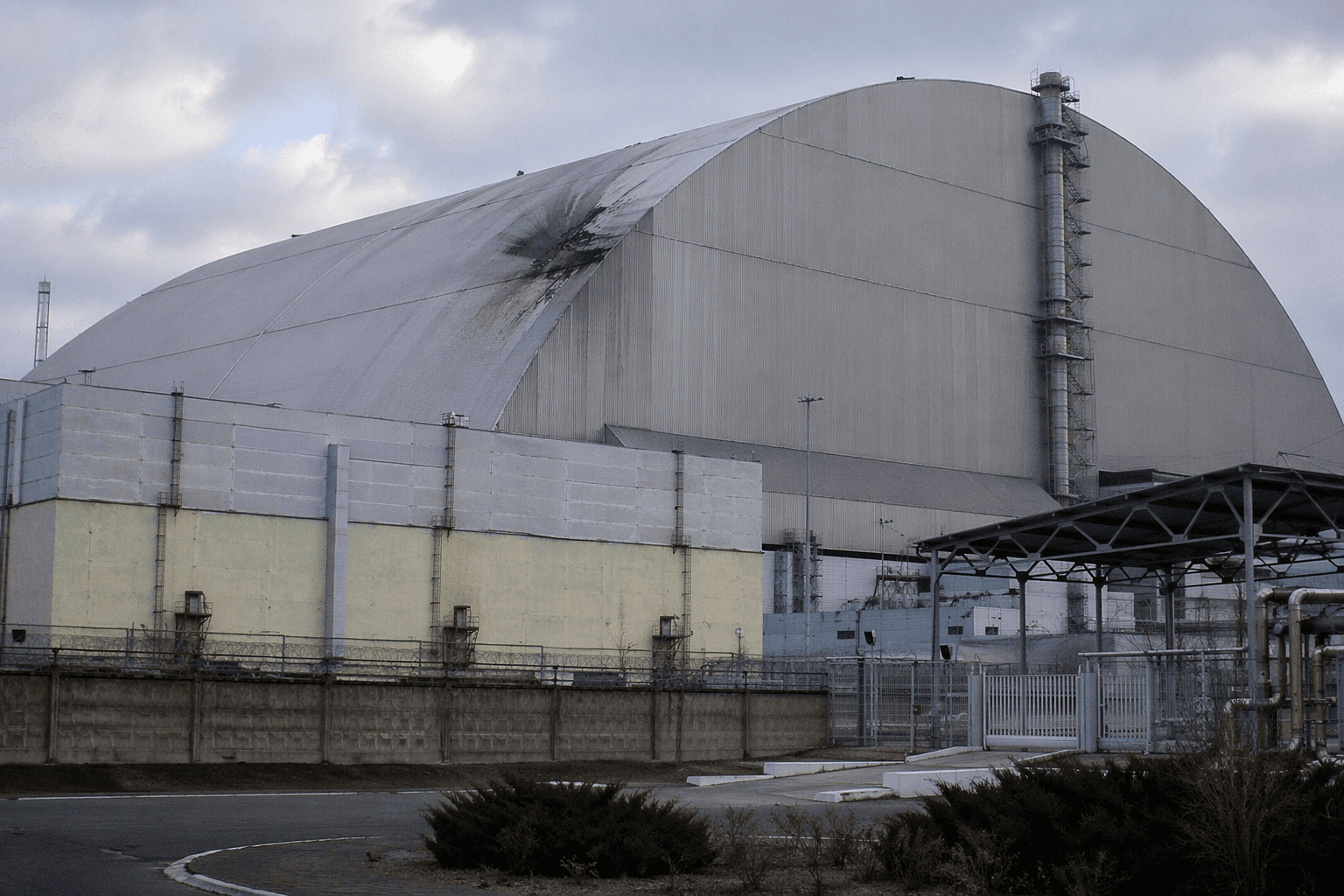
The IAEA said the strike significantly damaged a fuel-reception building and noted that the impact landed only meters away from where large amounts of nuclear material are kept. Energoatom said no spent fuel was stored in the damaged building when the drone struck, a detail that helped contain the immediate radiological risk. Even so, a direct hit on spent-fuel infrastructure near Chornobyl raised alarm because the consequences of a mistake at such a site could extend far beyond the battlefield.
The attack also carried the weight of history. Chornobyl remains one of the most sensitive names in nuclear safety, still tied to the 1986 disaster and to the exclusion zone that surrounds it. The IAEA has said the war in Ukraine is the first armed conflict to unfold amid a major nuclear power programme, and it maintains a continued presence at all five Ukrainian nuclear power plant sites, including Chornobyl and Zaporizhzhya.
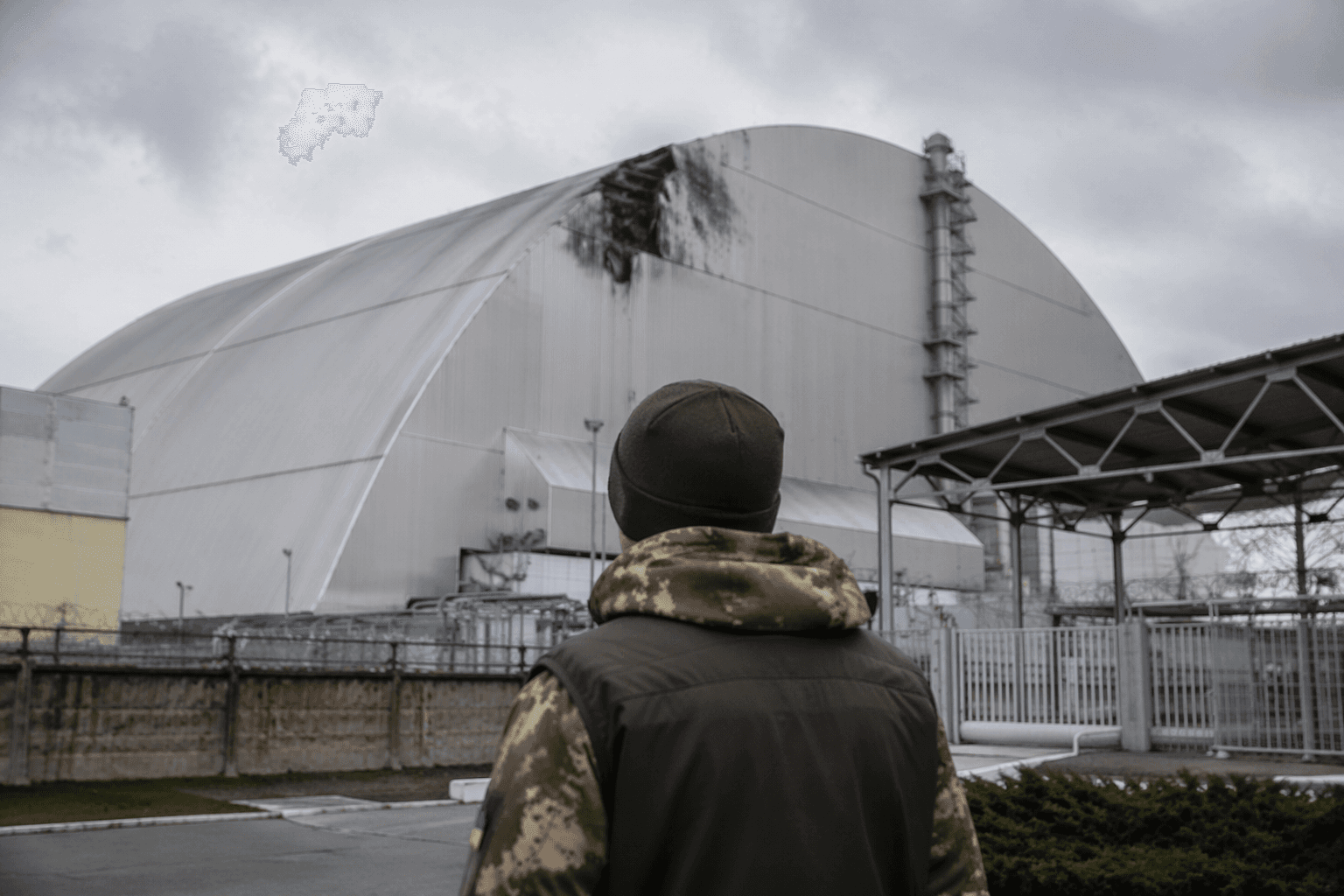
This was not the first time Chornobyl came under drone attack. In February 2025, a strike damaged the New Safe Confinement arch over reactor 4, punching a hole roughly six meters wide in the roof and causing smoke and small fires, although the IAEA said radiation levels did not change. That structure, completed in 2019 over the old sarcophagus, was meant to provide a long-term shield against the legacy of the accident.
Ukrainian President Volodymyr Zelenskiy called the latest attack extremely vile. Rafael Mariano Grossi, the IAEA director general, has repeatedly said attacks on nuclear facilities are an absolute no-go. With inspectors now moving in, the Chornobyl strike stands as another test of whether the war is slipping deeper into territory where even limited physical damage can trigger international alarm.
This article was produced by Prism’s automated news system from verified source data, official records, and press releases, then run through automated quality and moderation checks before publishing. The system is built and supervised by the people who set the standards it runs under. Read our full AI policy.
Know something we missed? Have a correction or additional information?
Submit a Tip