French village objects to Hegseth’s D-Day visit, cites anti-European rhetoric
A 1,900-person Normandy village pushed back on Pete Hegseth’s D-Day visit, saying his anti-European rhetoric clashed with a memorial meant to honor veterans.
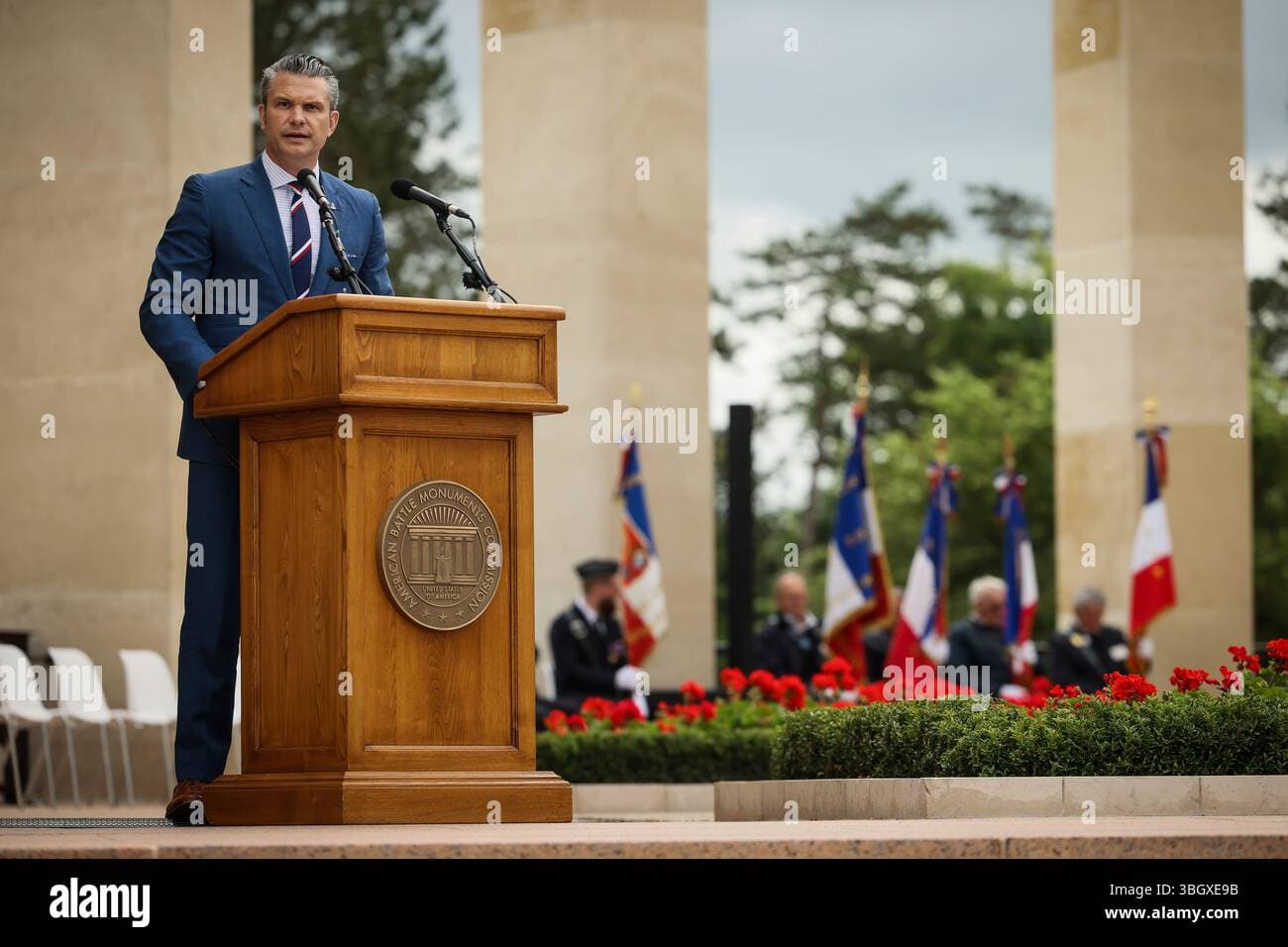
A small Normandy village turned Pete Hegseth’s D-Day stop into a test of how France wants the war remembered and how much patience it has for today’s American politics. The U.S. defense secretary marked the 82nd anniversary of the Allied landings on June 6, 2026, by visiting the American military cemetery in Colleville-sur-Mer, then skipped the main international ceremony in nearby Langrune-sur-Mer.
The objections came days earlier from Langrune en Commun, a local citizens’ group in the seaside village of about 1,900 residents. In a statement on June 2, the group said Hegseth represented values contrary to democracy, human rights and peace. It singled out his anti-European remarks, his pro-war rhetoric and tattoos the group linked to far-right Christian symbolism, turning what might have been a ceremonial visit into a political flashpoint.
That local resistance echoed a broader backlash to Hegseth’s remarks in Normandy. French outlets reported that he cast migration pressures in the language of invasion, urged European countries to spend more on defense and drew comparisons between present-day threats and the Allied fight on the beaches of Normandy. For critics in Langrune-sur-Mer, the problem was not just one speech, but the message it sent about Europe, alliance politics and the meaning of remembrance.
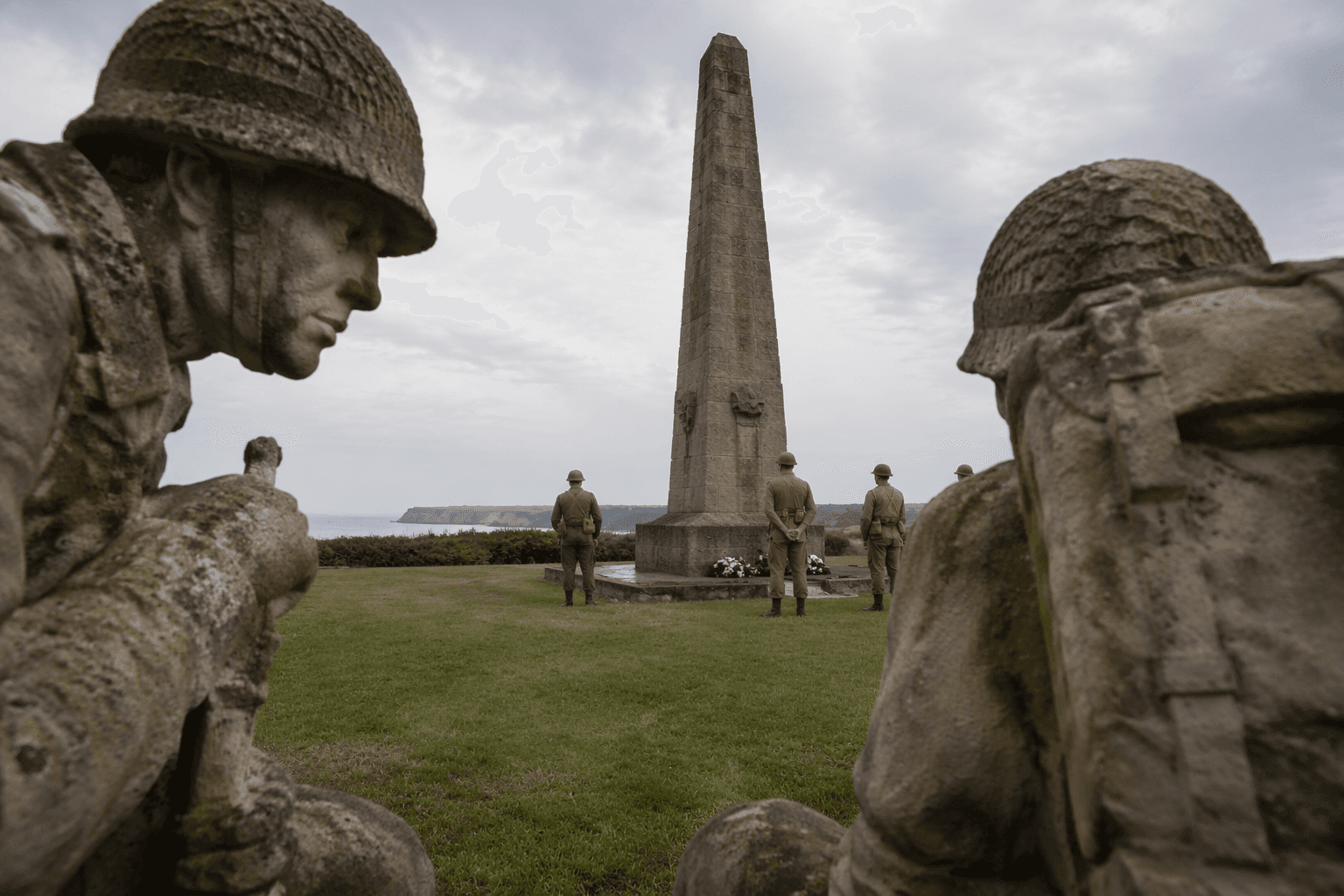
François-Xavier Palao, the village’s deputy mayor, urged residents to keep the focus on the dead and the veterans who survived them. He argued that political considerations should be set aside because the event was, above all, a commemoration. That view reflected the careful balance many French communities try to strike each June, honoring the American, British, Canadian and other Allied forces that landed in 1944 while resisting the use of those sacrifices for present-day political arguments.
The ceremony carried particular weight because D-Day remains central to how Normandy remembers the war. RFI described the 1944 landings as the largest in history and a turning point in the defeat of Nazi Germany. In Langrune-sur-Mer, French Prime Minister Sébastien Lecornu was scheduled to attend, along with about 400 invited guests, underscoring how the anniversary drew national attention even as local voices challenged Hegseth’s presence.
This article was produced by Prism’s automated news system from verified source data, official records, and press releases, then run through automated quality and moderation checks before publishing. The system is built and supervised by the people who set the standards it runs under. Read our full AI policy.
Know something we missed? Have a correction or additional information?
Submit a Tip