Peru runoff pits Fujimori legacy against left amid violence surge
Violence, distrust and the Fujimori name defined a runoff that left Peru choosing between hard-line security and a left trying to prove it can govern.

Peru’s latest runoff unfolded as a judgment on more than two candidates. It was a test of whether voters would double down on the hard right associated with the Fujimori years or give the left another chance after a decade marked by instability, scandal and eight presidents in 10 years.
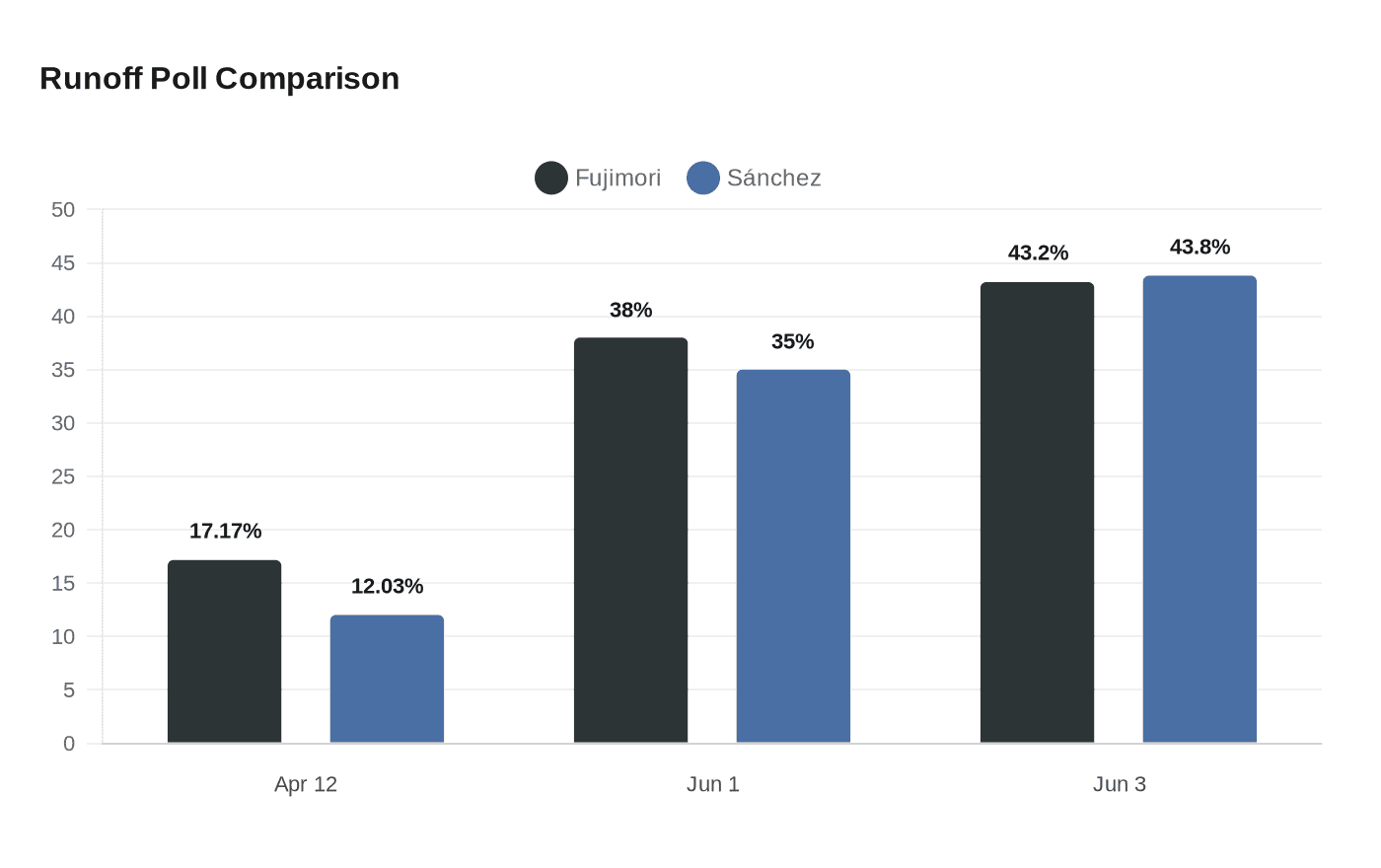
Keiko Fujimori, running for the presidency for a fourth time, entered the June 7 vote after leading the fractured first round with 17.17 percent. Roberto Sánchez, a leftist congressman, followed with 12.03 percent after an April 12 contest that took nearly a month to confirm and was slowed by ballot-delivery delays, late opening of polling places and fraud allegations. The next president is due to take office on July 28.
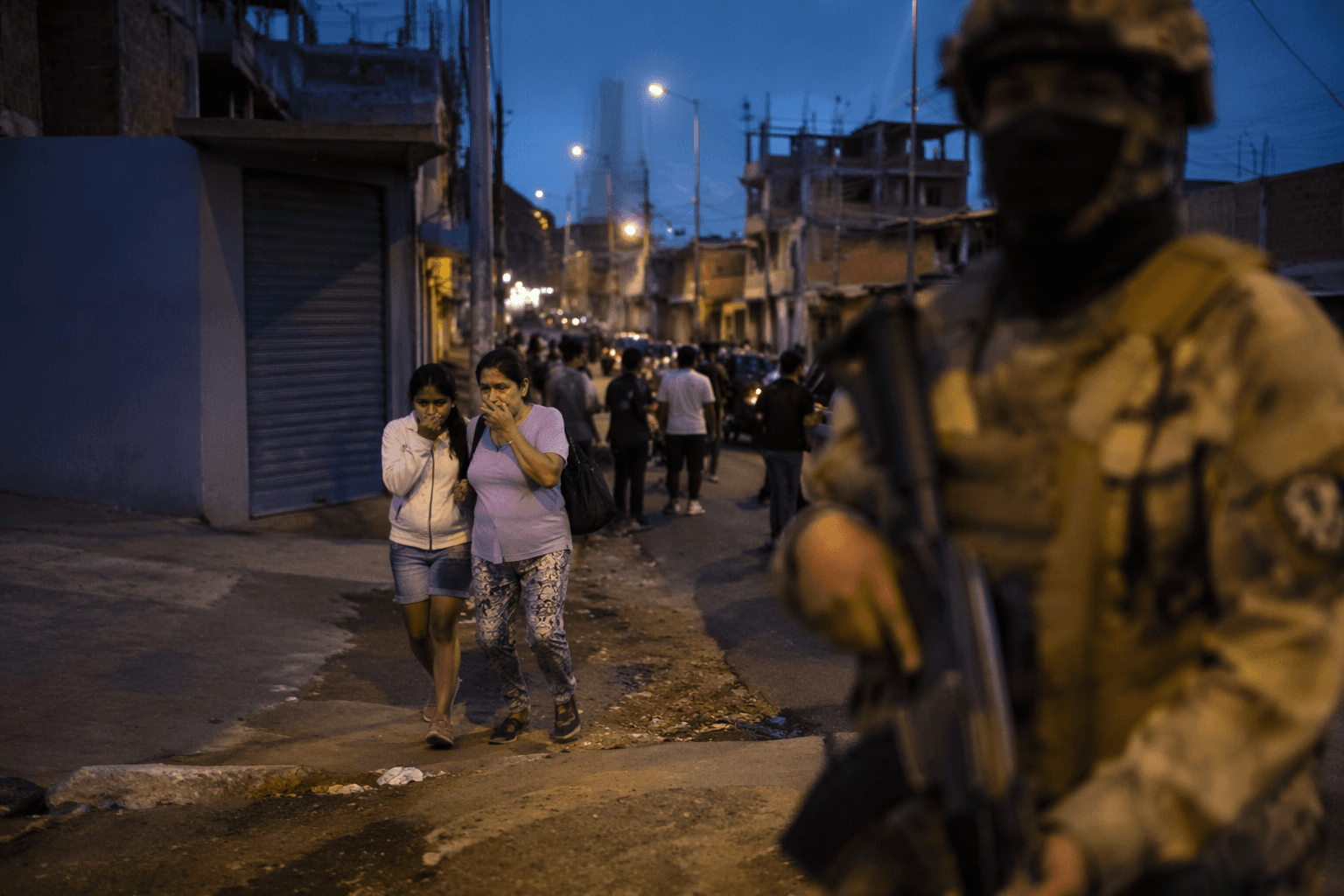
The campaign was dominated by a security crisis that has pushed many Peruvians toward candidates who promise order. Extortion complaints rose fivefold in five years to 28,948 last year. Killings doubled to 2,226 in 2025, and at least 239 drivers were killed last year, according to the Independent Observatory of Crime and Violence. Illegal gold mining, now widely seen as a fuel for organized crime, generates about $7 billion a year, far more than the roughly $1.2 billion tied to drug trafficking.
In the final debate, Fujimori said she would deploy the military alongside police, dismantle extortion networks and deport foreign criminals in the country illegally. Sánchez argued that crime could not be beaten without restoring democracy and strengthening the justice system, warning of a “political mafia” and corruption.
The runoff also revived a national argument over legacy. Alberto Fujimori, Keiko Fujimori’s father, ruled Peru from 1990 to 2000 and remains a symbol of stability for supporters and authoritarian rule for critics. He spent 16 years in prison for human rights abuses and was also convicted in a corruption case tied to a tabloid-smear scheme. Keiko Fujimori herself spent nearly a year and a half in pretrial detention between 2018 and 2020 during a campaign-finance case, though those allegations were dropped last year.
Polls suggested a race too close to call. One Ipsos survey published June 1 put Fujimori at 38 percent and Sánchez at 35 percent. Another Ipsos poll cited June 3 showed Sánchez at 43.8 percent and Fujimori at 43.2 percent, with 13 percent undecided or planning to cast blank ballots.
Electoral authorities said they had taken new steps to avoid a repeat of April’s chaos, including hiring a new logistics company to distribute ballots and creating a committee to identify risks. European Union observers reported no evidence of wrongdoing in the first-round count, but officials warned that final results could still take about a month if the contest stayed close and recounts were demanded. With Peru also a key supplier of critical minerals to China and the United States, the vote carried consequences well beyond Lima.
This article was produced by Prism’s automated news system from verified source data, official records, and press releases, then run through automated quality and moderation checks before publishing. The system is built and supervised by the people who set the standards it runs under. Read our full AI policy.
Know something we missed? Have a correction or additional information?
Submit a Tip