Trump touts Iran pledge experts say it has had since 1970
Trump’s new Iran boast collides with a pledge Tehran made in 1970, when it joined the nuclear treaty. The real test is whether inspections, limits or leverage changed.
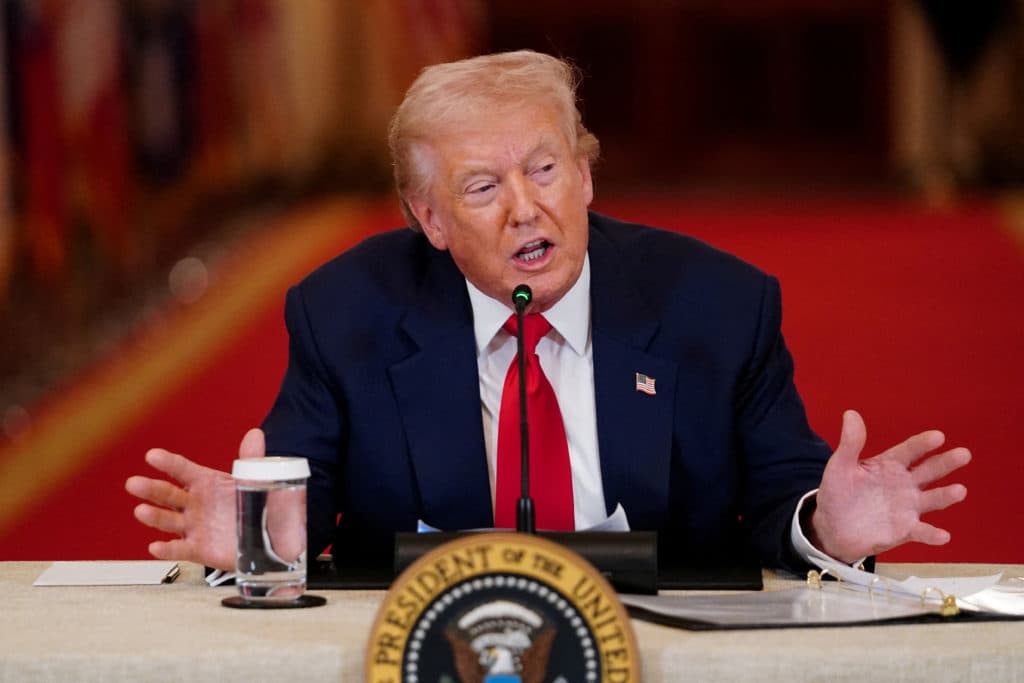
Donald Trump’s claim that Iran had “already agreed” not to get a nuclear weapon lands on top of a promise Tehran has carried for more than half a century. Iran became a non-nuclear-weapon state party to the Treaty on the Non-Proliferation of Nuclear Weapons on March 5, 1970, and the treaty required it not to manufacture or otherwise acquire nuclear arms.
That is why nuclear experts have treated Trump’s language as diplomatic spin, not a breakthrough. Iran’s separate safeguards agreement with the International Atomic Energy Agency entered into force on May 15, 1974, adding inspection obligations to a commitment that already existed on paper. The question now is not whether Iran has ever said it does not want a bomb. It is whether any new arrangement would change verification, enforcement or U.S. leverage.
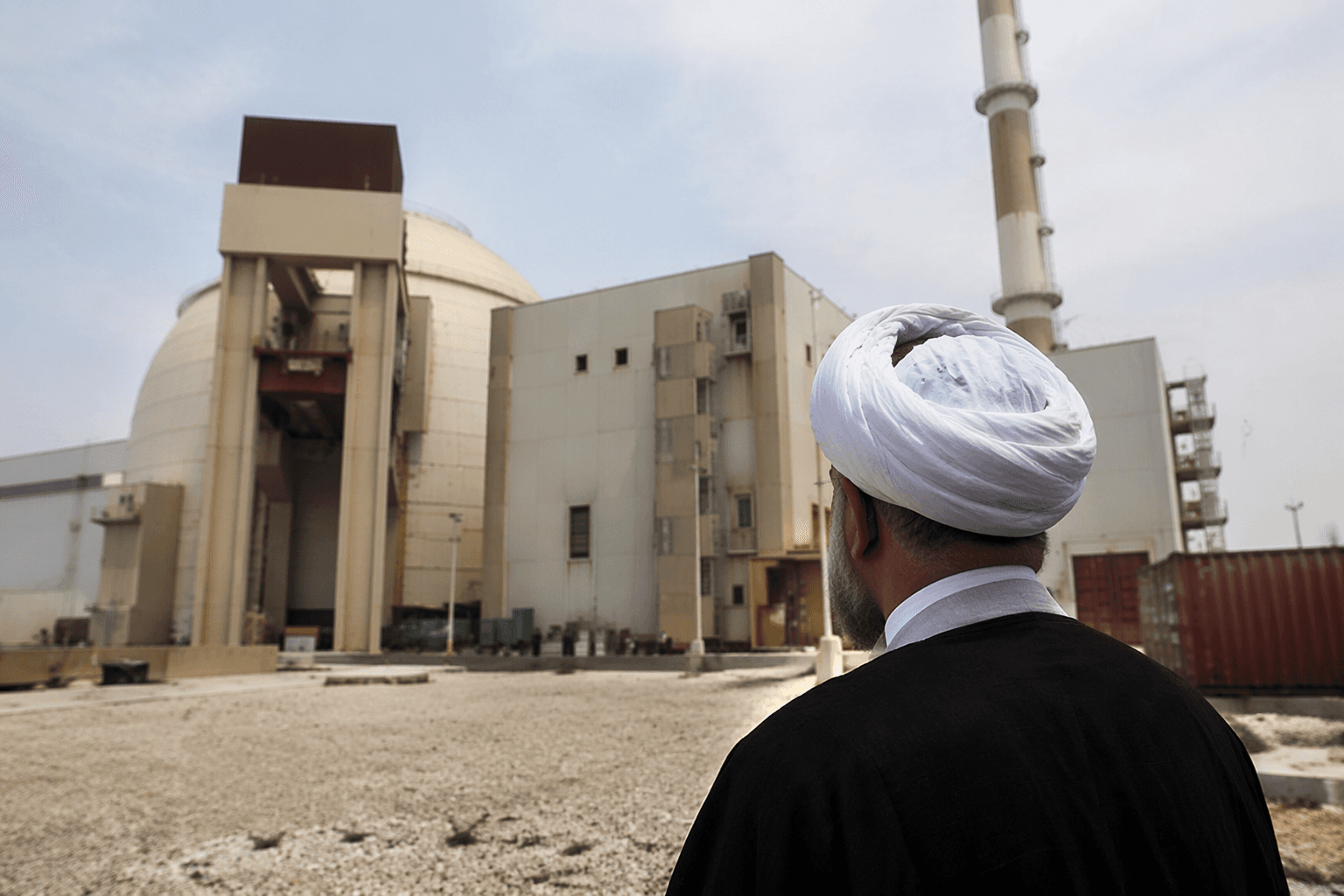
The stakes are high because Iran’s nuclear program remains one of the main flashpoints in U.S.-Iran relations. The International Atomic Energy Agency estimated that as of May 17, 2025, Iran’s total enriched uranium stockpile had reached 9,247.6 kilograms. The Arms Control Association says Iran was the only non-nuclear-weapon state to produce uranium enriched to 60 percent, and by late 2024 could produce enough weapons-grade uranium for five to six bombs in less than two weeks.
History also weakens any claim that Trump has extracted a fresh concession. A Council on Foreign Relations history says Iran’s nuclear work accelerated in the 1970s and that its violations only came to wider attention after the National Council of Resistance of Iran disclosed undeclared sites in August 2002. The Arms Control Association says Iran pursued an organized nuclear weapons development program in violation of its NPT commitments, and that the program ended in 2003, according to IAEA and U.S. intelligence assessments.
Trump said on June 3, 2026, that Iran had “already agreed” not to have a nuclear weapon, but that Tehran could still change its mind. On June 2, 2026, Trump and Secretary of State Marco Rubio said the United States remained in negotiations with Iran even as Iranian state media claimed otherwise. That leaves the central policy question untouched: if talks are real, what new mechanism would prevent Iran from rebuilding stockpiles, shifting enrichment levels or limiting inspectors?
The dispute over Supreme Leader Ali Khamenei’s alleged fatwa adds another layer of ambiguity. Iranian officials have often described it as a ban, but an Iranian government newspaper said in April 2025 that it did not necessarily ban production, only deployment and use. The Atlantic Council has argued the supposed fatwa was never a clear, durable prohibition on building nuclear weapons.
For now, the record suggests Trump is selling a promise Iran has made for decades. What matters is whether any deal changes the consequences for breaking it.
This article was produced by Prism’s automated news system from verified source data, official records, and press releases, then run through automated quality and moderation checks before publishing. The system is built and supervised by the people who set the standards it runs under. Read our full AI policy.
Know something we missed? Have a correction or additional information?
Submit a Tip