North Texas antifa defendants get decades-long sentences for ICE attack
Eight North Texas defendants drew 450 years in prison after an armed attack on an ICE facility, including a 100-year term for Benjamin Hanil Song.

A 100-year sentence for Benjamin Hanil Song and 450 years combined for eight North Texas defendants has pushed the Prairieland Detention Center case far beyond the prison terms usually associated with Jan. 6, placing the fight over political violence on sharply different footing. The punishment, handed down in Fort Worth, Texas, shows how federal judges are treating an armed attack on an immigration facility, with an officer shot in the neck, as something closer to attempted murder and terrorism than to riot sentencing.
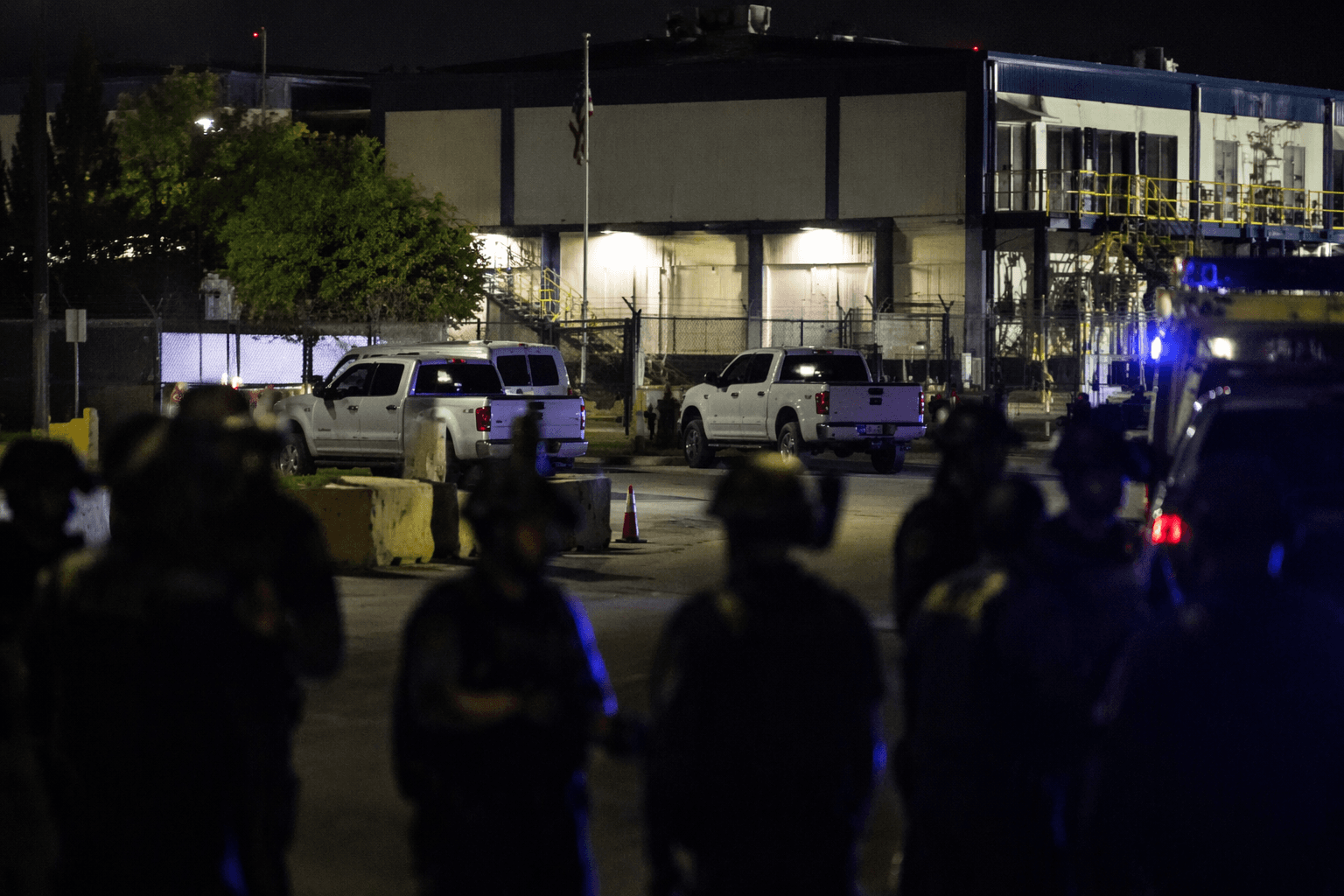
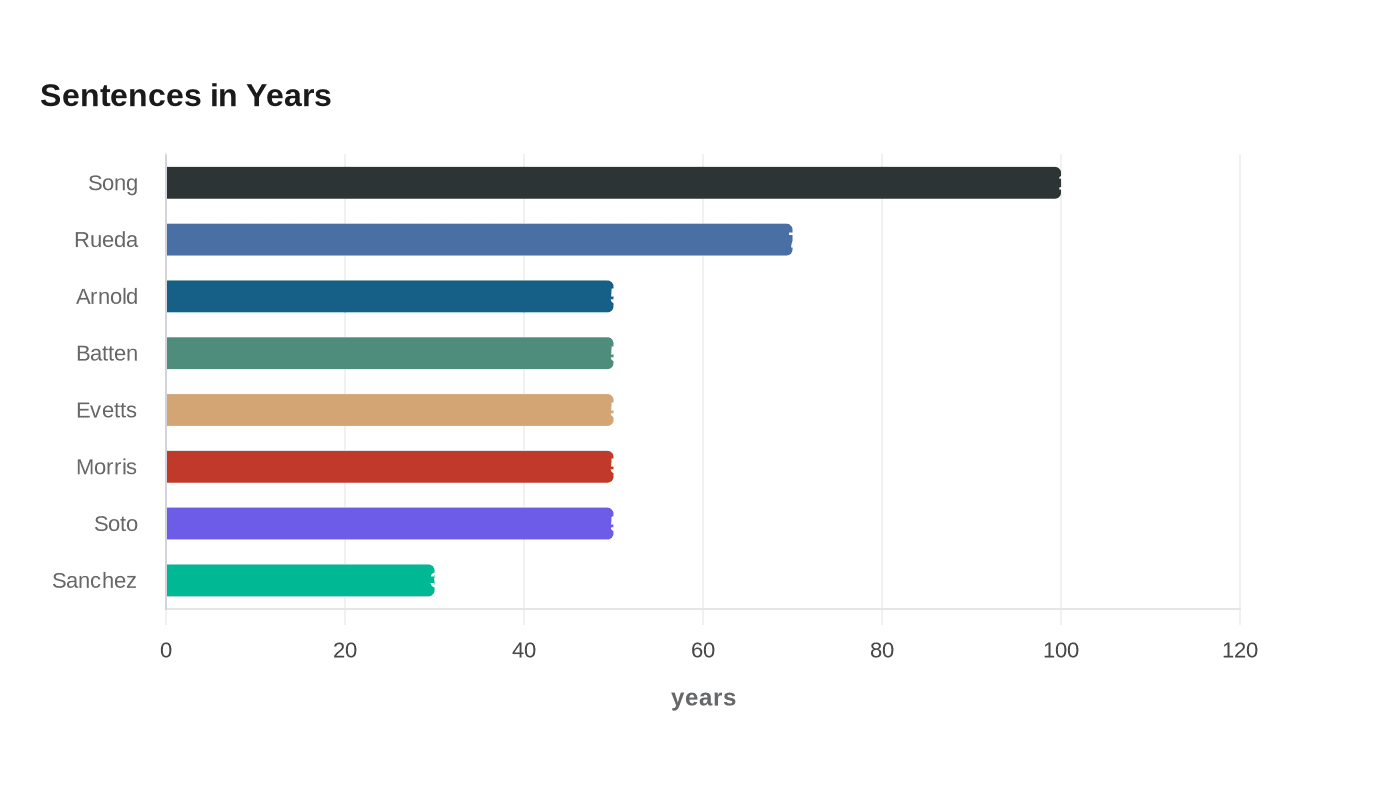
Prosecutors said the July 4, 2025 assault on the Prairieland Detention Center in Alvarado, Texas, involved tactical gear, fireworks, firearms, body armor, radios, graffiti, flyers and explosives-related conduct. The July 8 complaint said one attacker fired 20 to 30 rounds at unarmed correctional officers, and authorities recovered 12 sets of body armor near the scene. Benjamin Hanil Song was convicted of attempted murder of a law enforcement officer and received the harshest sentence. Maricela Rueda received 70 years, while Cameron Arnold, Savanna Batten, Zachary Evetts, Bradford Morris and Elizabeth Soto each received 50 years. Daniel Rolando Sanchez-Estrada received 30 years.
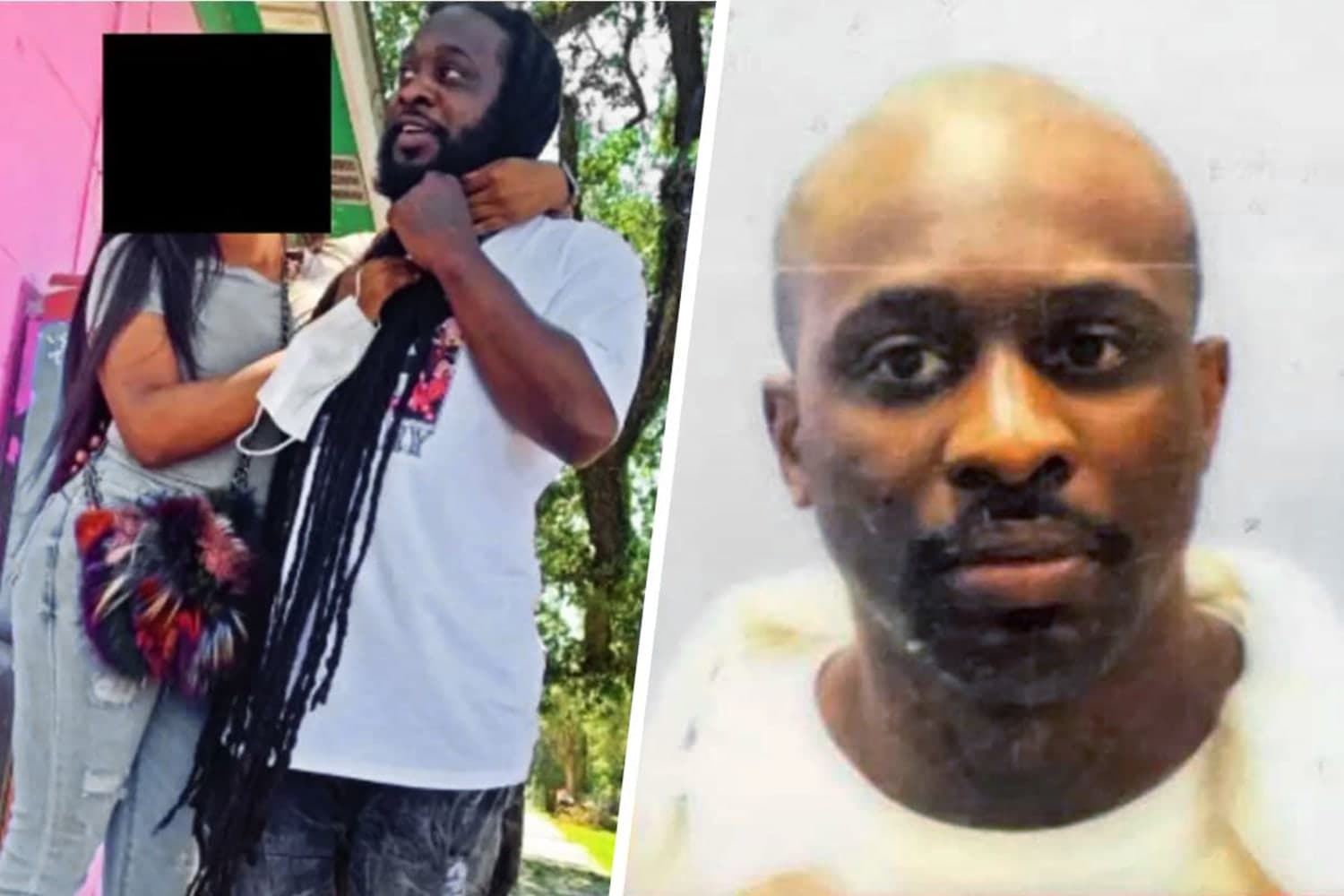
The case had already moved through several major stages before sentencing. On March 13, 2026, a federal jury in Fort Worth convicted nine defendants after a 12-day trial that featured more than 45 witnesses and over 210 exhibits. Seven other defendants had earlier pleaded guilty to providing material support to terrorists. Prosecutors framed the attack as a coordinated ambush, not protected protest, and said the charges included attempted murder, rioting, weapons and explosives offenses, obstruction and material support to terrorists. Song, whom prosecutors described as a former U.S. Marine and a Dallas resident, was the subject of a weeklong manhunt after the shooting.
The contrast with Jan. 6 is stark. The longest sentence commonly cited for a Jan. 6 defendant is 22 years, for Enrique Tarrio, while David Dempsey received 20 years in a case involving repeated assaults on officers. Those Capitol riot sentences were severe by historic standards, but they still fell far short of the decades imposed in North Texas. That gap suggests courts are drawing a harder line when political activity is tied to gunfire, body armor and a wounded officer, even as defense supporters argue the case was overcharged and relied too heavily on political materials to infer criminal intent.
The Justice Department has cast the sentencings as the first involving defendants affiliated with Antifa after the Trump administration’s September 2025 designation of Antifa as a domestic terrorist organization. For federal prosecutors, the message was simple: a politically charged attack becomes something very different once it crosses into attempted murder and armed assault.
This article was produced by Prism’s automated news system from verified source data, official records, and press releases, then run through automated quality and moderation checks before publishing. The system is built and supervised by the people who set the standards it runs under. Read our full AI policy.
Know something we missed? Have a correction or additional information?
Submit a Tip