Northeast braces for severe storms and flash flooding along I-95 corridor
An Enhanced Risk and Flood Watch covered the I-95 corridor as repeated storms threatened flash flooding after Saturday’s heavy rain and more than 1,000 flight cancellations.
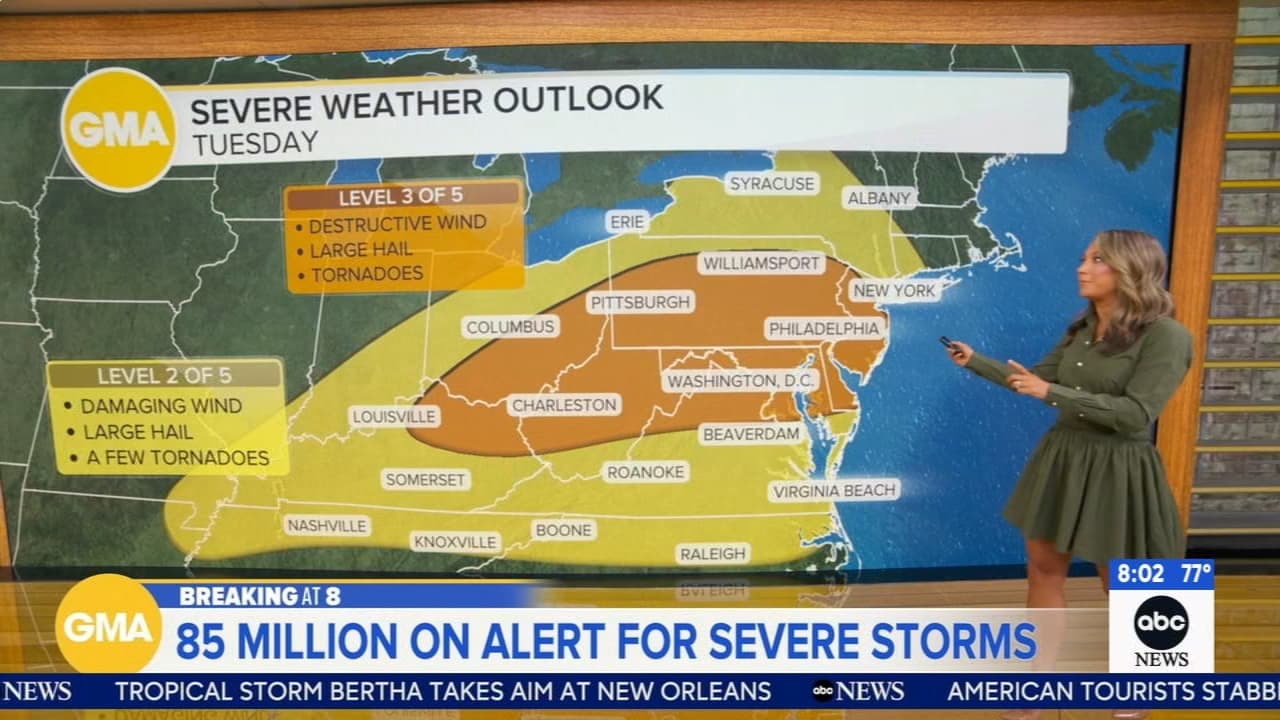
The National Weather Service Philadelphia/Mount Holly office upgraded Tuesday’s severe thunderstorm outlook to an Enhanced Risk, level 3 of 5, and issued a Flood Watch along the I-95 corridor as another round of storms threatened the Northeast and Mid-Atlantic.
The 5:00 PM EDT Monday briefing covered Eastern Pennsylvania, New Jersey, Delaware and Maryland’s Eastern Shore, with the heaviest concern centered on the dense transportation spine that runs through Philadelphia, Washington, New York City and other major metro areas. After heavy rain hit the region on Saturday, flash flooding was possible in places where roads, underpasses and storm drains can back up quickly.
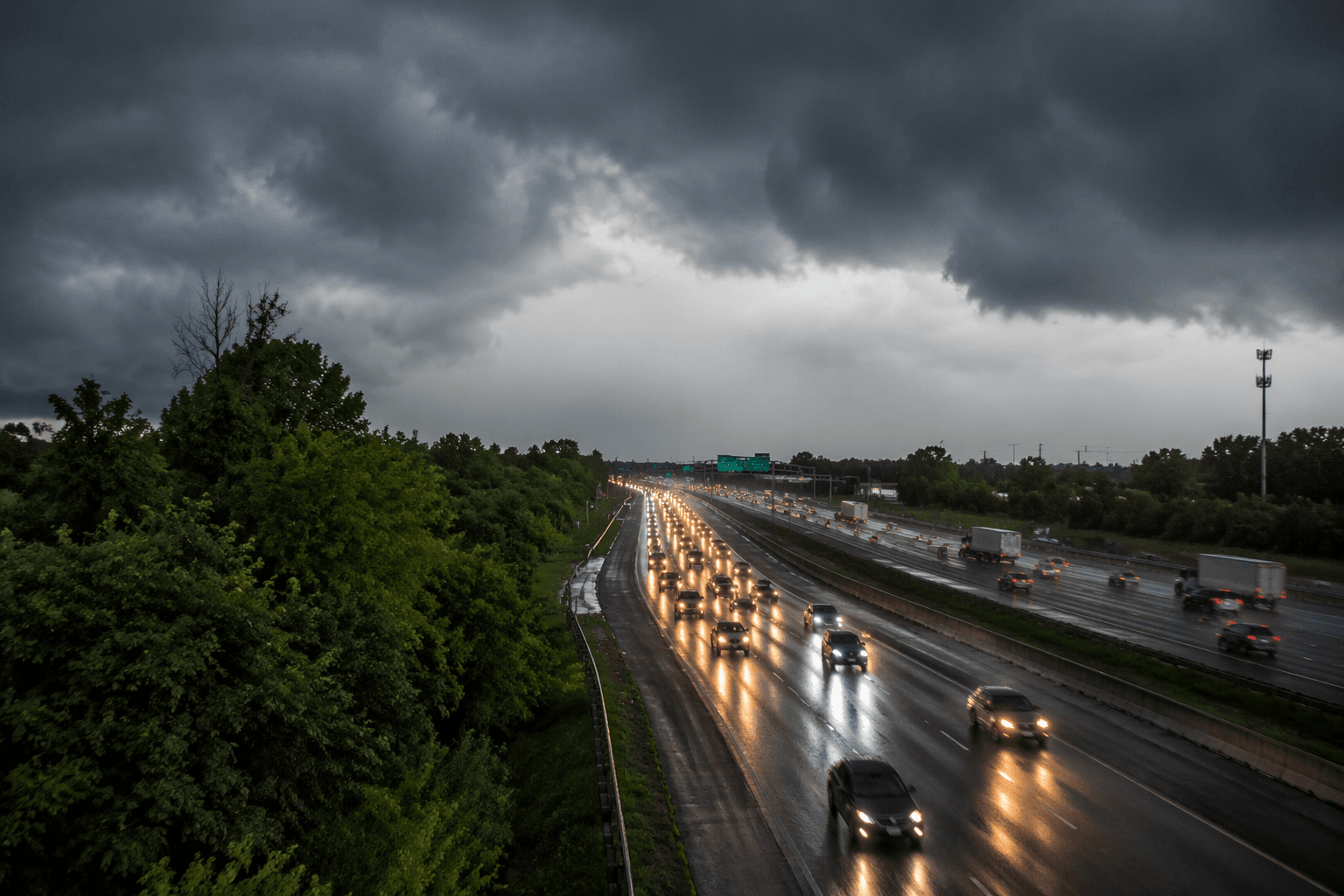
More than 1,000 flights were canceled during the East Coast storm event, and ground stops hit Newark, LaGuardia and JFK airports as storms pushed through the corridor. The forecast spans a broad stretch of the Northeast and Mid-Atlantic after multiple rounds of heavy rain in a short window. That pattern can overwhelm drainage systems in urban areas, especially along the I-95 corridor, where pavement, transit infrastructure and low-lying roadways leave little room for runoff.
Thunderstorms are expected to keep pressure on highways, airports and local agencies through the day. For residents in Eastern Pennsylvania, New Jersey, Delaware and Maryland’s Eastern Shore, the combination of severe storms and flash flooding raises the chance of sudden road closures, transit slowdowns and emergency calls tied to rising water.
This article was produced by Prism’s automated news system from verified source data, official records, and press releases, then run through automated quality and moderation checks before publishing. The system is built and supervised by the people who set the standards it runs under. Read our full AI policy.
Did this article answer your question?