Tropical Storm Bertha threatens Gulf Coast with flooding and storm surge
Tropical Storm Bertha raised the sharpest flood risk for Louisiana and Mississippi, with up to 4 feet of storm surge and New Orleans conditions possible by Wednesday.
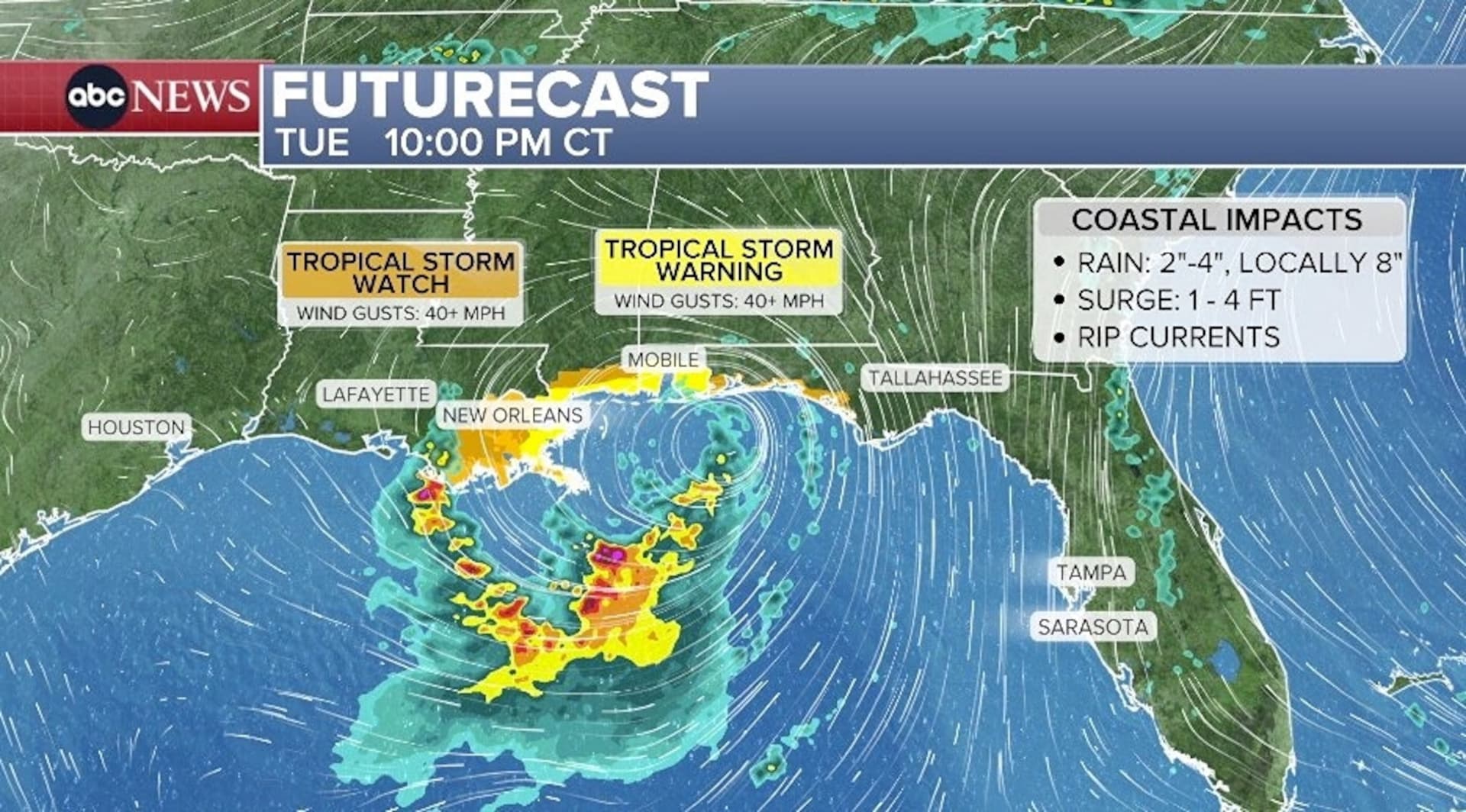
Tropical Storm Bertha formed Monday in the northeastern Gulf of Mexico and quickly put the Gulf Coast on alert for flooding, strong wind gusts and storm surge from Florida to Texas. Forecasts warned of potentially life-threatening surge of up to 4 feet along portions of the Louisiana and Mississippi coastlines, while New Orleans could see tropical-storm conditions by Wednesday.
The system had organized from Tropical Depression Two, and National Hurricane Center Deputy Director Jamie Rhome gave a live update as it strengthened into Bertha. The threat moved fastest for communities closest to the central Gulf, where coastal flooding and rising water could arrive before the worst rain bands spread inland.
Florida faced an earlier round of impacts. Parts of the state could get 2 to 4 inches of rain through Friday, and heavy rain and thunderstorms were expected along the west coast and across much of the peninsula. That rain could fall on already wet ground, increasing the risk of street flooding and poor travel conditions even where winds stay below storm force.
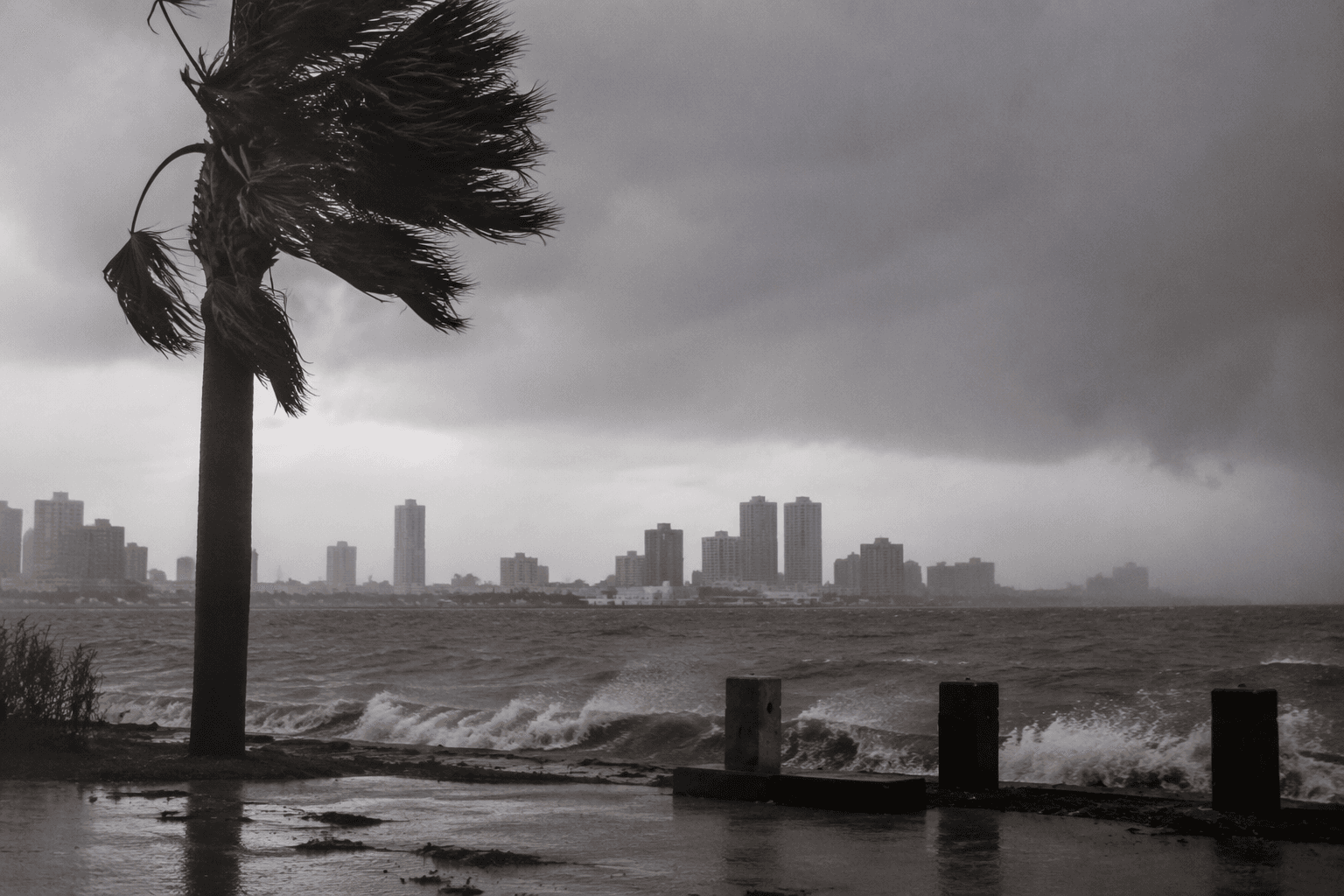
The Atlantic hurricane season runs through November 30. Low-lying coastlines of Louisiana and Mississippi could see surge of several feet, flooding roads, overwhelming drainage and cutting off access long before the storm’s center reaches shore.
The weather hazards were not limited to the coast. In the Midwest, severe storms flooded Des Moines, Iowa, and several tornadoes were spotted in northern Wisconsin. The same multi-day outbreak also produced baseball-sized hail and damaged buildings in parts of Wisconsin and Iowa.
Central Iowa had already been hit hard earlier in July, when some creeks rose more than 10 feet in a matter of hours during a 1,000-year rainfall event.
This article was produced by Prism’s automated news system from verified source data, official records, and press releases, then run through automated quality and moderation checks before publishing. The system is built and supervised by the people who set the standards it runs under. Read our full AI policy.
Did this article answer your question?