Northern India swelters as heat wave shuts markets, schools, roads
Markets went quiet, schools shortened hours and farmers worked after dark as temperatures in Banda hit 47.6 C and northern India braced for more heat.
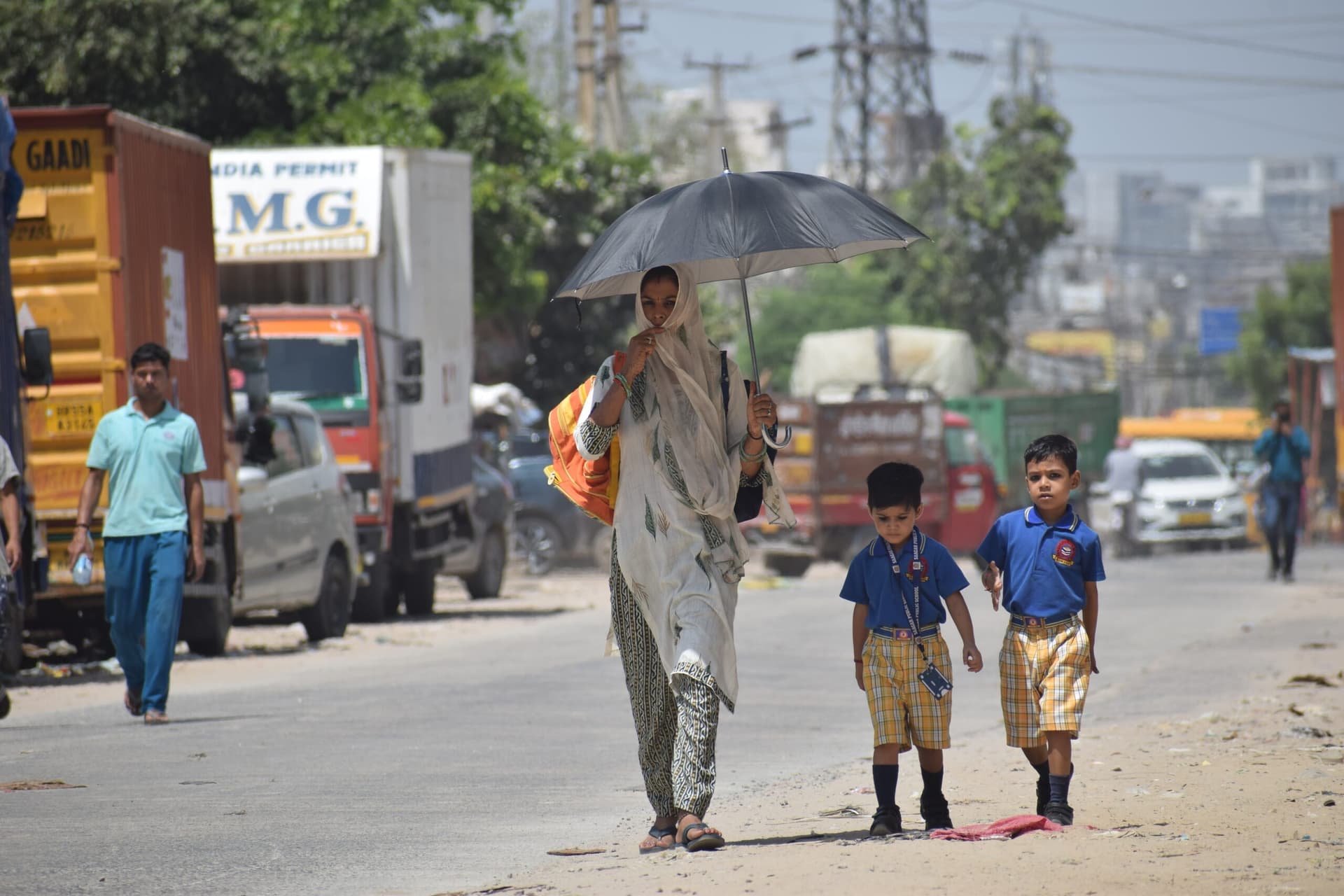
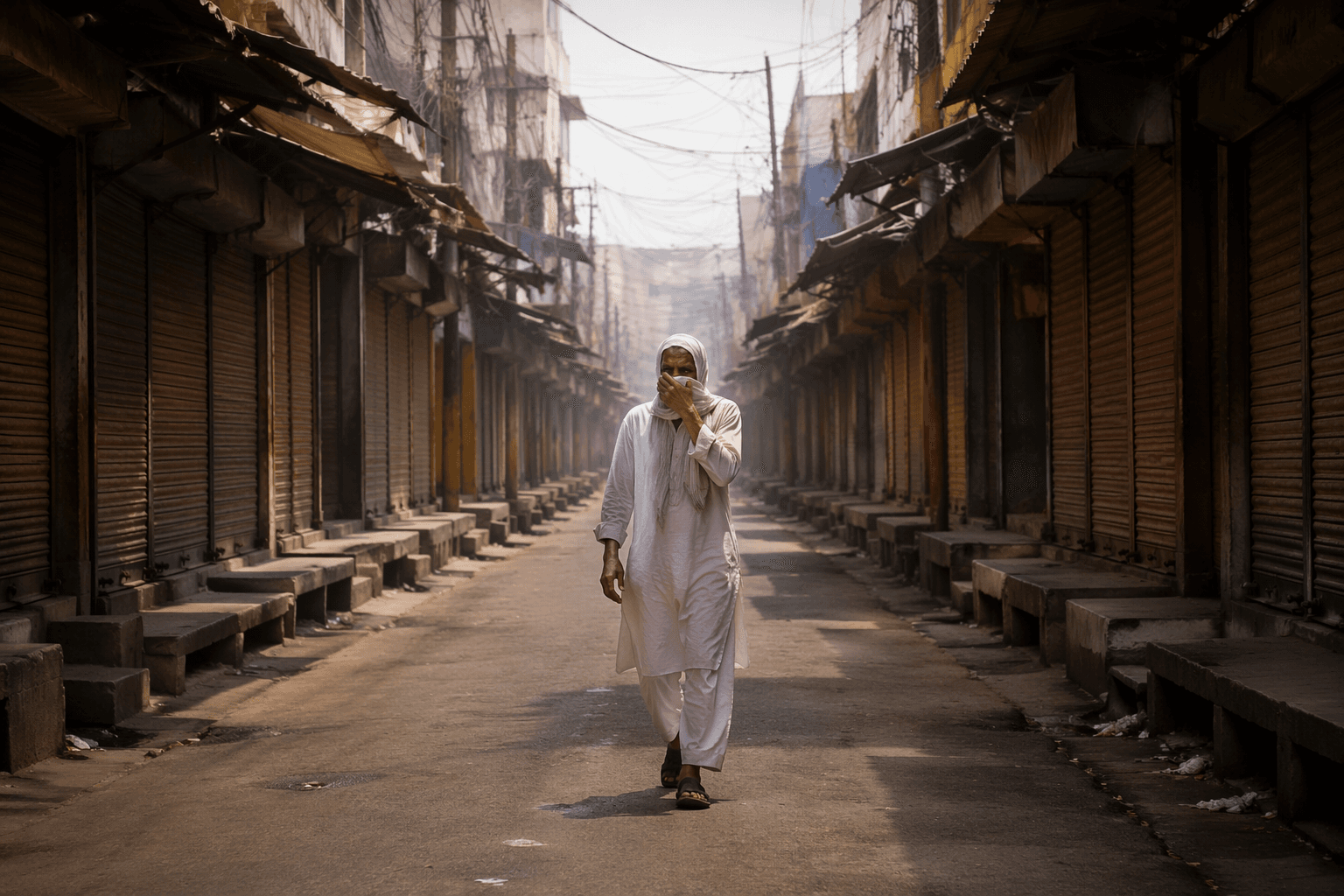
A punishing heat wave emptied streets across northern India, pushed traders into the early morning and sent some farmers into the fields only after dark as temperatures climbed to dangerous levels and cooling space became a daily necessity.
The India Meteorological Department said heat wave to severe heat wave conditions were likely to continue across the plains of northwest India, central India and adjoining east India during the week, with the risk extending into the following week in parts of the northwest. Its bulletin said severe conditions had already taken hold in many pockets of Haryana, Chandigarh and Delhi, Jammu and Kashmir, Himachal Pradesh and adjoining Uttarakhand, while heat wave conditions were also present in parts of Punjab, west Uttar Pradesh and west Madhya Pradesh. In New Delhi, forecasters called for a maximum near 45 C, or 113 F, and authorities opened temporary cooling zones as temperatures stayed well above seasonal norms.
Uttar Pradesh, India’s most populous state, was among the hardest hit. The state’s summer vacation schedule was set to begin on May 20 and run through June 15, and some districts had already shifted classes to the early morning before schools shut. In Banda, the heat has become a national marker of the season’s intensity: the district reached 46.4 C on May 17, then climbed again to 47.6 C on May 21, making it one of the hottest places in India.
Daily commerce bent around the heat. In several parts of Uttar Pradesh, roads and markets closed in the afternoons, and traders moved business to the early hours to avoid the worst of the midday sun. Some farmers also shifted field work to nighttime, a sign of how extreme temperatures are changing the rhythm of labor in a region where many people still work outdoors and have little protection from prolonged exposure.
Delhi’s roadside cooling zones offered one of the few places where people could escape the blast of heat. The stations provided air coolers, fans, drinking water and oral rehydration salts, and they drew residents and tourists alike. Basharat Ahmad Malla said he had come out for an outing but found the heat unbearable, adding that the cooling system was helping him. The government had already placed such cooling points along roads as part of its heat-wave response, a recognition that simple shade and water can mean the difference between discomfort and collapse in a city under thermal stress.
Health officials urged people to stay indoors during peak afternoon hours, drink plenty of water and seek medical help if they developed signs of heat-related illness such as dizziness or fever. For northern India, the immediate crisis is not just the mercury reading on a forecast chart. It is the pressure the heat places on work hours, school calendars, public services and agriculture, and the growing challenge of keeping dense, low-cooling communities functional as severe heat waves become more frequent and more intense.
This article was produced by Prism’s automated news system from verified source data, official records, and press releases, then run through automated quality and moderation checks before publishing. The system is built and supervised by the people who set the standards it runs under. Read our full AI policy.
Did this article answer your question?