Northern Oklahoma braces for tornadoes as April storms surge statewide
A confirmed tornado near Ponca City pushed Oklahoma’s 2026 count to 38 as April storms piled up in a state where April is already the peak severe-weather month.
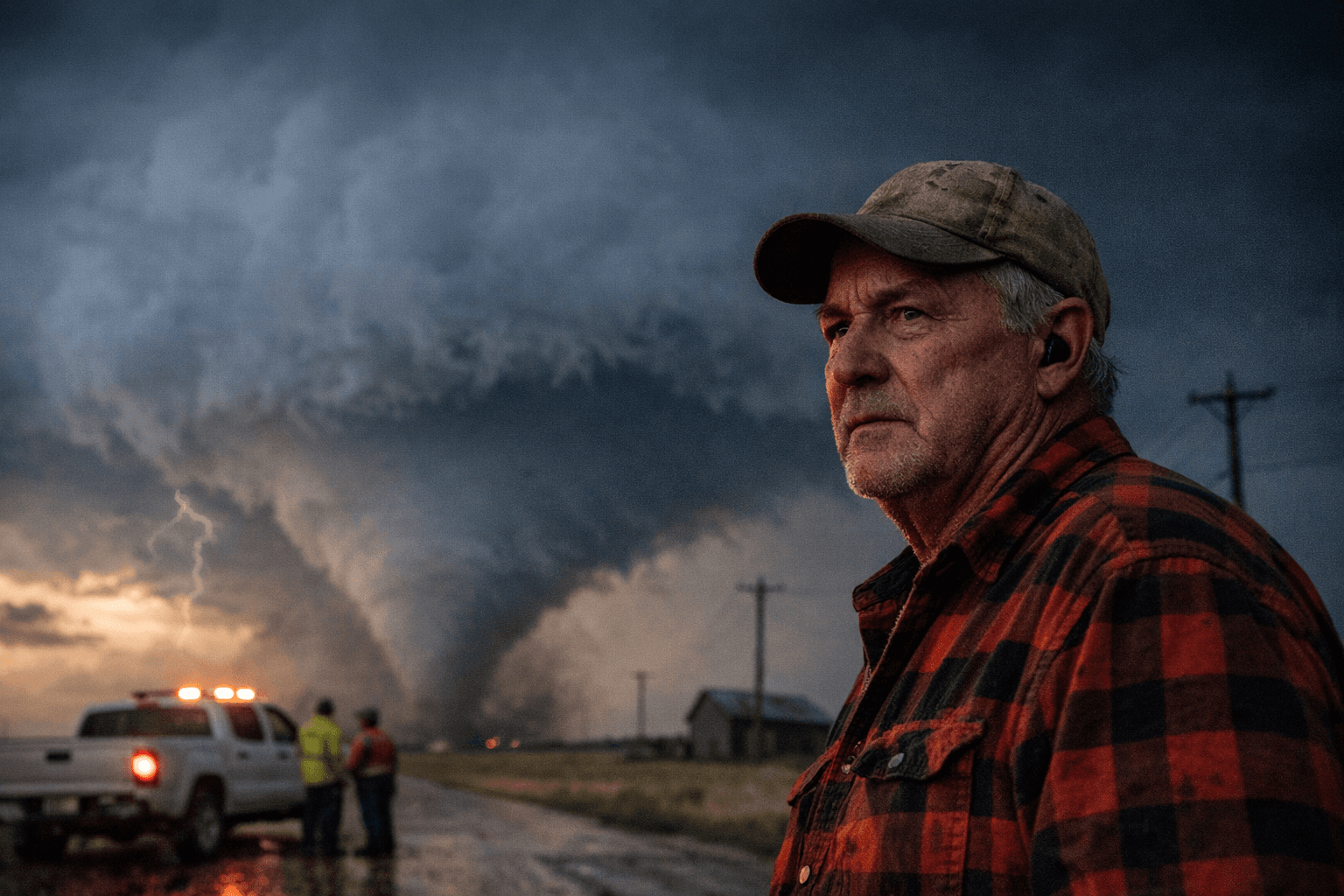
Northern Oklahoma was once again under the gun as a confirmed tornado was spotted near Ponca City in southeastern Kay County, with the storm moving east at 45 mph and threatening Ponca City, Kaw City and Kaw Lake. The warning, issued at 6:57 p.m. CDT on April 17, said damaging tornado debris, golf ball size hail, roof damage, destroyed mobile homes and tree damage were all possible, a reminder that even brief spring outbreaks can turn violent fast.
The storm arrived during an already active year. The National Weather Service’s Oklahoma tornado tracker listed 38 tornadoes statewide in 2026 as of the latest update, including multiple tornadoes on April 3 and April 14, plus a late-April outbreak that drove the total sharply higher. That pace does not point to a single isolated event. It fits a spring pattern in which April regularly delivers the state’s most dangerous weather.
April’s place in Oklahoma’s tornado season is clear in the historical record. The National Weather Service’s April archive shows 951 tornadoes statewide from 1950 to the present, a tally that underscores how often fast-moving severe storms return during this month. For families in northern Oklahoma, that history matters because warnings are not abstract; they arrive in real time, often with little margin for error.
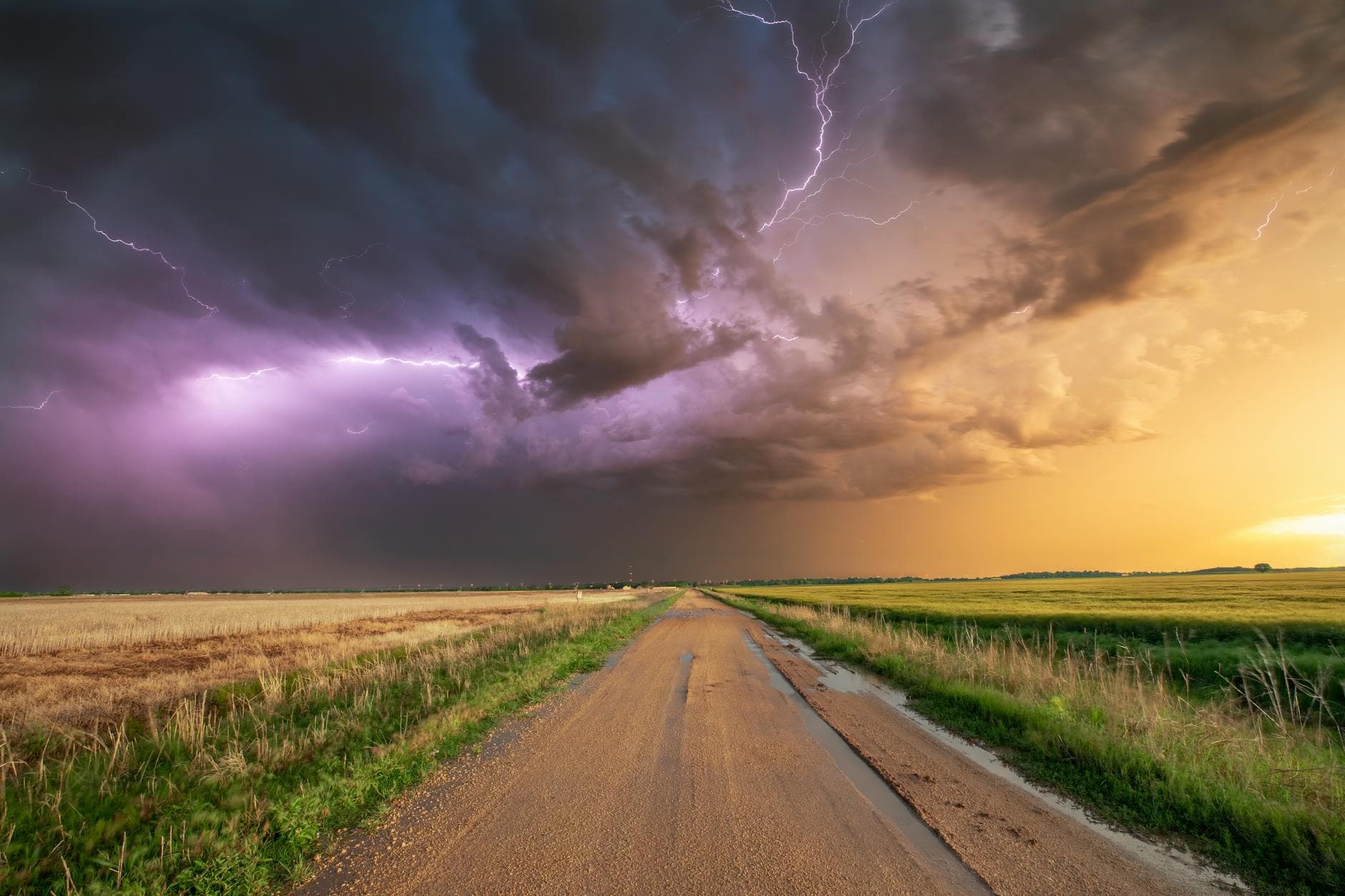
Kay County’s own tornado record stretches back generations, with National Weather Service archives listing tornadoes from the 1800s through later decades. Ponca City’s tornado history page includes events dating to April 28, 1893, alongside tornadoes in 1932, 1957, 1978 and more recent years. The federal weather service notes that those historical records are based on Storm Prediction Center archives and Storm Data, and that pre-1950 documentation may be incomplete.
The April 17 warning showed how quickly modern alerts can narrow the danger zone. By naming Ponca City, Kaw City and Kaw Lake and identifying a confirmed tornado already on the ground, forecasters gave residents concrete information to act on immediately. In a region that has weathered tornadoes for more than a century, the challenge now is not just surviving another outbreak, but staying ready for the next warning that can arrive within minutes.
This article was produced by Prism’s automated news system from verified source data, official records, and press releases, then run through automated quality and moderation checks before publishing. The system is built and supervised by the people who set the standards it runs under. Read our full AI policy.
Did this article answer your question?

