Norway rejects U.S. forced-labor claim amid tariff threat
Norway says Washington’s forced-labor finding is unfounded as Trump weighs tariffs of up to 12.5% on imports from 60 countries, including Norway.

Norway has rejected a U.S. forced-labor finding that could trigger tariffs of up to 12.5% on imports, arguing that Washington is misreading the country’s labor safeguards and using trade pressure against an ally that already has strict rules in place. Foreign Minister Espen Barth Eide said Norway strongly disagreed with the U.S. assessment and that the allegation was unfounded.
The dispute centers on a Trump administration proposal aimed at imports from 60 countries, including Norway, after U.S. officials concluded those trading partners had failed to curb goods made with forced labor. Norway’s response was not limited to a diplomatic denial. It pointed to the Transparency Act, which it says places the country among the first to adopt legislation specifically intended to prevent forced labor in supply chains.
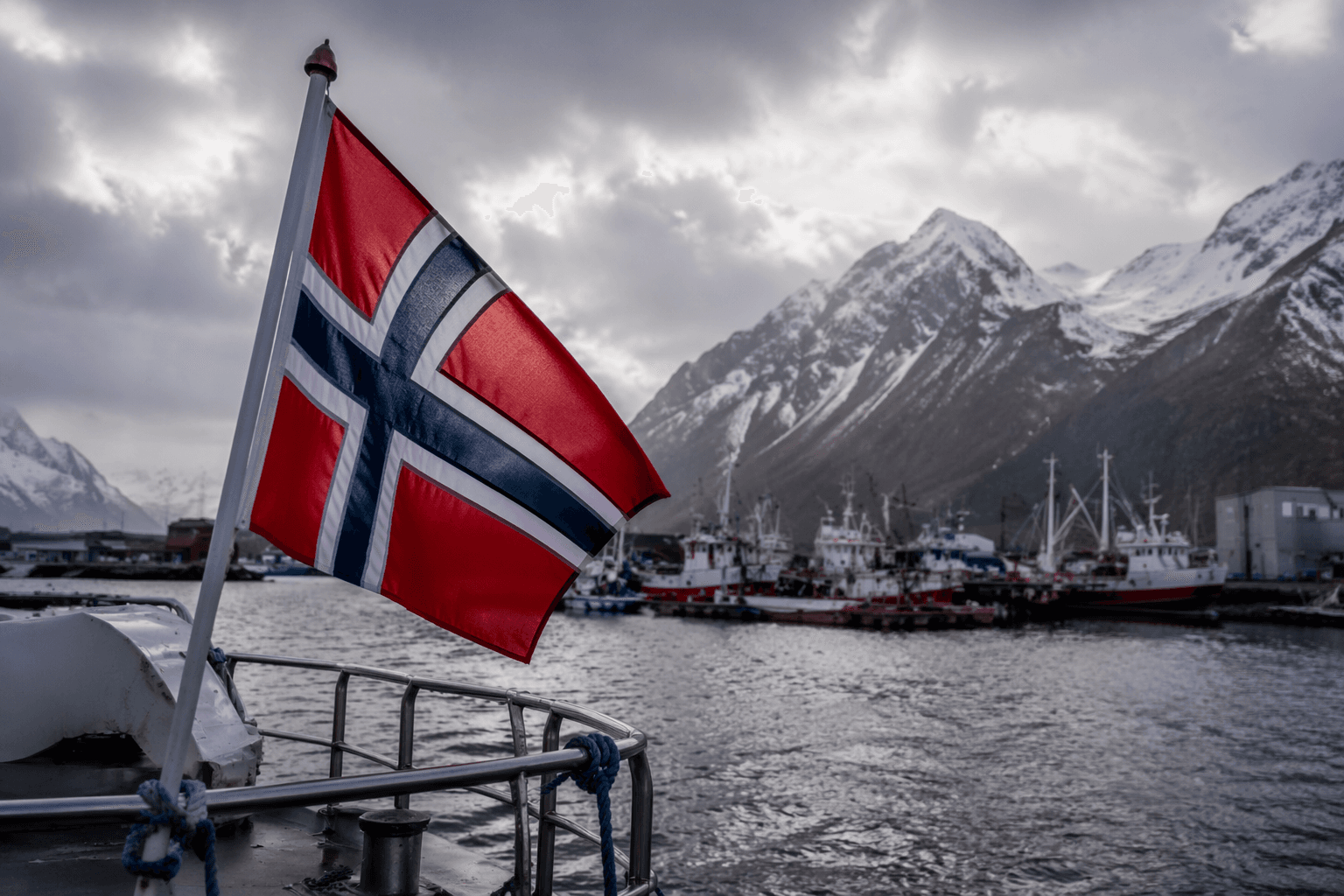
The law, formally called the Act relating to enterprises’ transparency and work on fundamental human rights and decent working conditions, was built to promote respect for fundamental human rights and decent working conditions in the production of goods and services and to give the public access to information on how companies address harmful impacts. It applies to larger enterprises based in Norway and certain larger foreign enterprises operating there, and requires due diligence across operations, subsidiaries, supply chains and business partners.
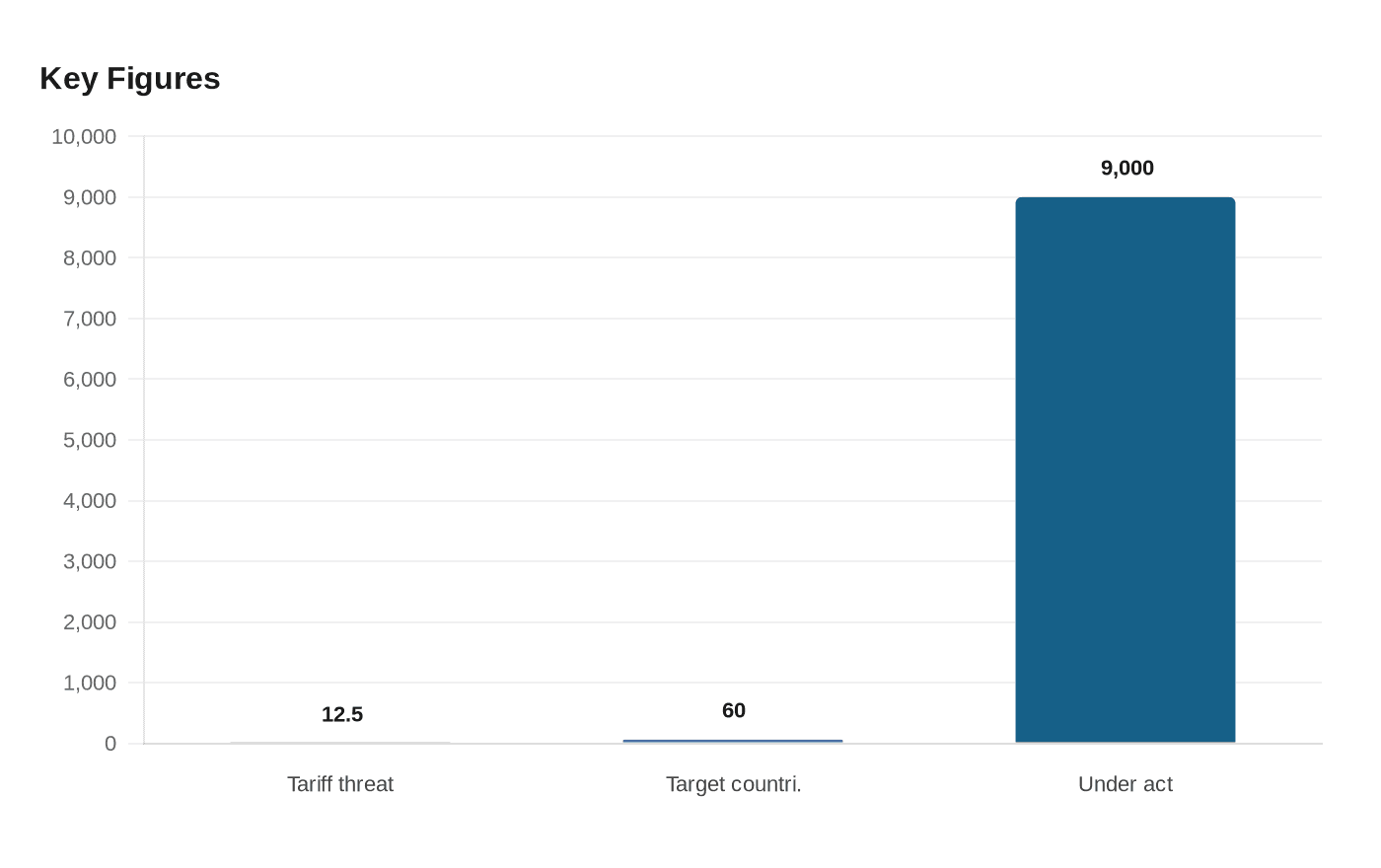
Norway’s government says the framework draws on the United Nations Guiding Principles on Business and Human Rights and OECD due-diligence standards. In a 2025 review commissioned by the Ministry of Children and Families, KPMG said the law had significantly and systematically elevated attention to human-rights obligations among Norwegian businesses. A separate 2025 government non-paper said about 9,000 Norwegian companies fall under the act.
The law took shape after a 2019 committee report on supply-chain transparency and a 2020 government proposal, before entering into force in 2022. That history matters because it undercuts the argument that tariff threats are needed to force Norway to act. The government says the point of the act is not just compliance, but transparency, so companies, consumers and regulators can see how risks are being handled.
The broader fight reaches beyond Norway. Experts, business groups and some human-rights organizations have argued that trade penalties are a blunt tool against modern slavery and may even obscure supply-chain problems instead of solving them. For Washington, the move signals a willingness to weaponize labor-rights allegations even against close partners. For Norway, it is a challenge to both its exporters and its reputation as a rules-based trading nation.
This article was produced by Prism’s automated news system from verified source data, official records, and press releases, then run through automated quality and moderation checks before publishing. The system is built and supervised by the people who set the standards it runs under. Read our full AI policy.
Know something we missed? Have a correction or additional information?
Submit a Tip