Nottingham attack families speak after inquiry hears of failings
Emma Webber called the inquiry a “catastrophic collapse of responsibility” after 164 witnesses heard how warning signs around Valdo Calocane were missed.
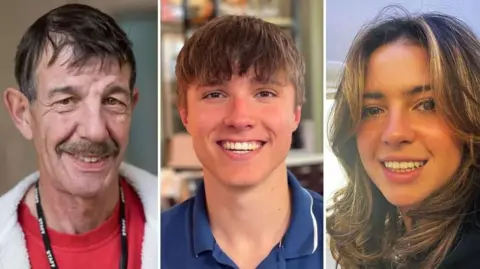
The families of the three people killed by Valdo Calocane said Nottingham’s inquiry has exposed a breakdown that went far beyond one man’s violence. After 14 weeks of oral evidence from 164 witnesses, they left London insisting the case was not a tragedy of chance but a chain of missed warnings, failed safeguards and unanswered institutional responsibility.
Barnaby Webber, 19, Grace O’Malley-Kumar, 19, and Ian Coates, 65, were killed in Nottingham city centre on June 13, 2023, and Wayne Birkett, Sharon Miller and Marcin Gawronski were seriously injured. Calocane had been diagnosed with paranoid schizophrenia in 2020 and had previous contact with health services and police, yet the systems meant to manage that risk did not prevent the attack.

The Nottingham Inquiry, chaired by Her Honour Deborah Taylor, was formally announced by then Lord Chancellor Shabana Mahmood on April 22, 2025, with its terms of reference laid in Parliament on May 22, 2025. It has examined what happened, why it happened, the management of Calocane’s risk to others, the emergency response and the unauthorised accessing of information by public servants.
Before the inquiry closed its oral hearings in June, the wider health record had already shown deep failures. On February 5, 2025, NHS England published the full independent homicide investigation into Calocane’s care, saying it identified clear failings in his treatment and apologising to the families. An earlier rapid review by the Care Quality Commission found a series of errors, omissions and misjudgments at Nottinghamshire Healthcare NHS Foundation Trust, meaning opportunities to mitigate the risk he posed were missed.
At the London press conference, Barnaby Webber’s mother, Emma Webber, said the process had been “brutal, bruising and harrowing beyond measure” but necessary, and accused the system of a “cover-up over candour.” She said: “This wasn’t bad luck. It was a catastrophic collapse of responsibility. An undoubted miscarriage of justice that must now be addressed.”
The families said the victims were failed by “every single agency,” and they are now pressing the government and other authorities to turn the inquiry’s findings into action. Closing submissions are due on September 8 and 9, 2026, before Deborah Taylor prepares a report that could define how health services, police and public bodies are expected to respond when serious risk warnings are raised again.
This article was produced by Prism’s automated news system from verified source data, official records, and press releases, then run through automated quality and moderation checks before publishing. The system is built and supervised by the people who set the standards it runs under. Read our full AI policy.
Did this article answer your question?


