NTSB probes maintenance gaps in deadly UPS cargo plane crash
A key bearing on the UPS MD-11F had not been closely examined since 2021, even as investigators found other similar flaws went unreported to the FAA.

A critical engine-mount bearing on the UPS cargo jet that broke apart over Louisville had not been closely examined since October 2021, while investigators later found other flaws in the same parts on similar aircraft were often never reported to the FAA. The gap has become central to the National Transportation Safety Board’s examination of whether this was a single maintenance miss or a broader failure in inspection, reporting, and oversight.
The crash killed three crewmembers aboard UPS Flight 2976 and 11 people on the ground, and injured 23 others. The Boeing MD-11F was climbing out of Louisville Muhammad Ali International Airport on a domestic cargo run to Honolulu when the left engine and left pylon separated from the left wing shortly after takeoff on November 4, 2025. Investigators have focused on the spherical bearing assembly in the pylon aft mount bulkhead, a structural component that helps hold the engine to the wing.
What has sharpened the scrutiny is the maintenance timeline. Boeing had documented four previous failures of the same part on three different aircraft in 2011, but determined at the time that the condition would not create a safety-of-flight issue. Investigators also said the airplane was not due for another detailed inspection for roughly 7,000 takeoffs and landings, raising the possibility that the schedule itself left too much room for a hidden defect to persist.
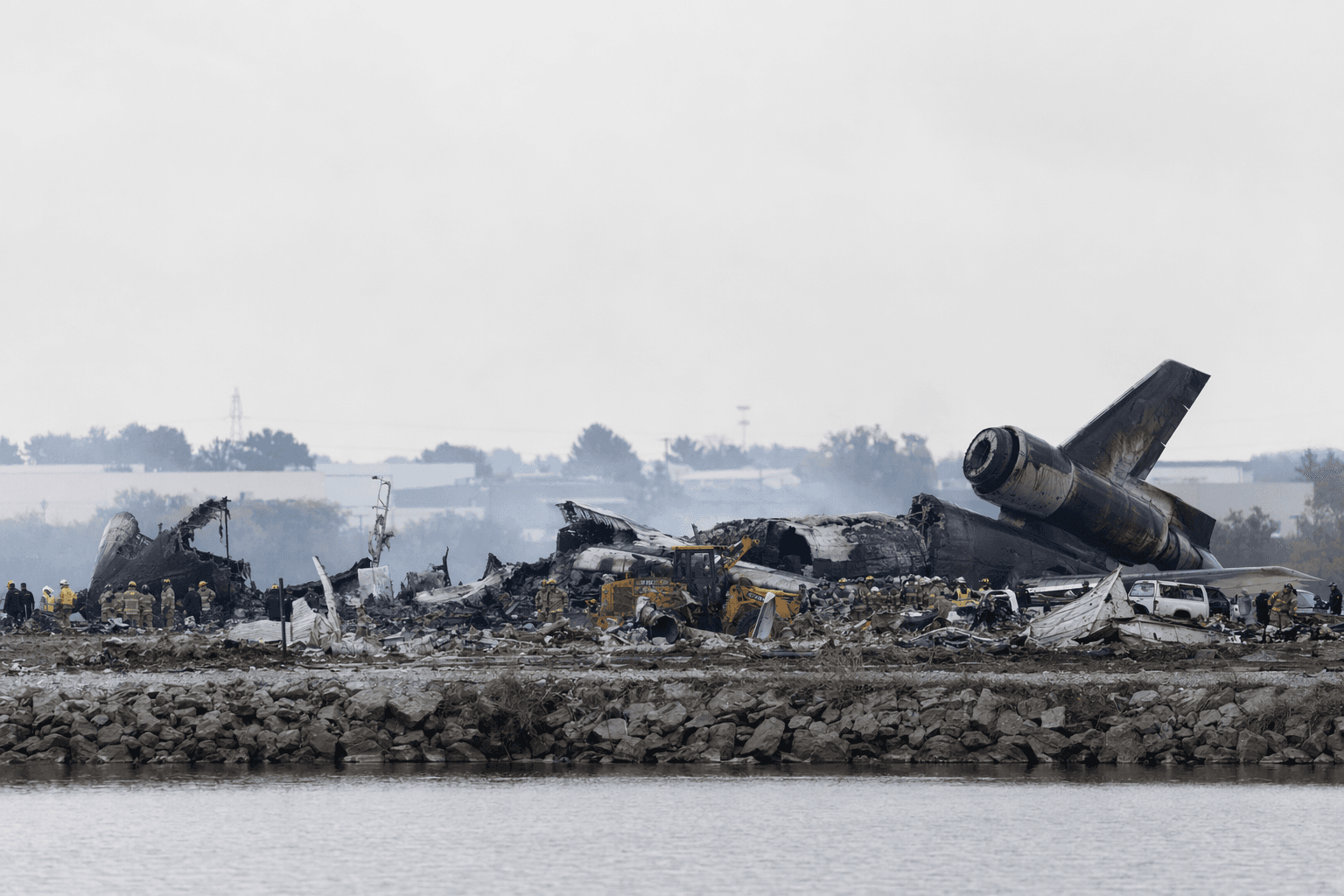
During the NTSB hearing, investigators said records showed 10 previous flaws in the same key parts on other similar planes, and most of those cases were never reported to the FAA. That history points beyond one airplane. It raises questions about whether maintenance crews, airlines, and regulators had enough visibility into recurring damage to recognize a pattern before it turned deadly.
UPS senior vice president David Springer told investigators that Boeing’s service letters made the bearing issue sound “almost benign” and did not spell out the collateral damage that could occur to the lugs attaching the engine to the wing. He said UPS would have asked very different questions if it had known more. FAA and UPS officials also said some of the reports they received may not have contained enough information, underscoring how incomplete reporting can weaken the safety net even when rules exist on paper.
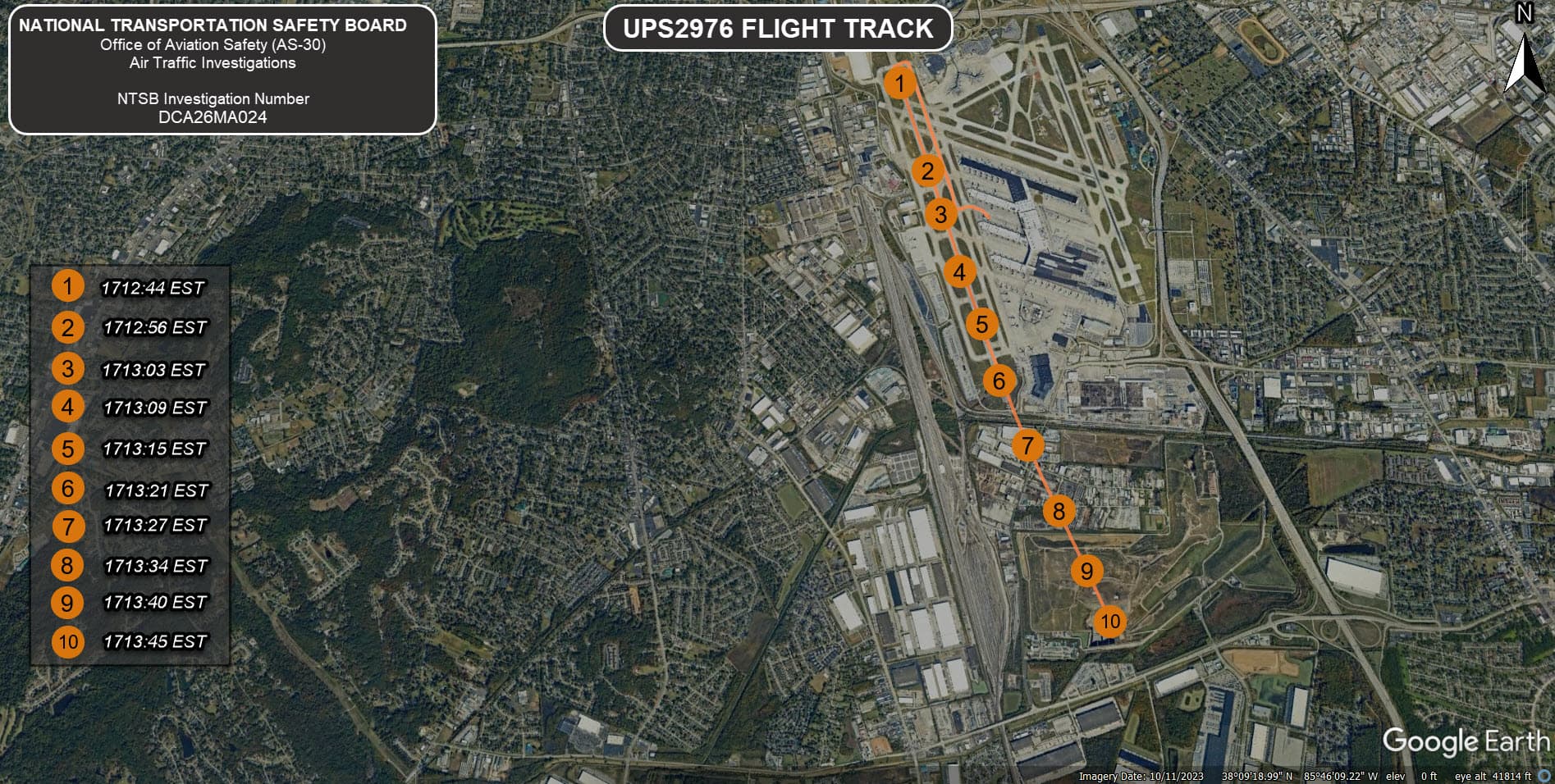
The crash drew immediate comparisons to American Airlines Flight 191, the May 25, 1979 disaster in Chicago, when a DC-10’s left engine and strut separated during takeoff at O’Hare International Airport, killing 273 people on board and two on the ground. The FAA says that accident led to the worldwide grounding of 274 DC-10s. Former crash investigator Jeff Guzzetti has said a 1980 McDonnell Douglas bulletin treated failures of the spherical bearing race as a safety-of-flight condition, making Boeing’s 2011 language especially striking. The NTSB hearing has now put Boeing, UPS, and the FAA under a single question: how many warning signs were missed before the jet came apart over Kentucky?
Know something we missed? Have a correction or additional information?
Submit a Tip