Nuro bets second-mover edge can help it catch Waymo in robotaxis
Nuro is betting that arriving second in robotaxis can be an asset, letting it learn from Waymo’s expensive path instead of paying every lesson itself.

Nuro’s late-entry thesis
Nuro is making a deliberate case that being early is not always the same as being best. The autonomous vehicle startup, founded in 2016 by former Google self-driving veterans Jiajun Zhu and Dave Ferguson, says a robotaxi “second mover” can learn from Waymo’s successes and mistakes instead of inventing the category from scratch.
That argument matters because Ferguson already helped build the program that became Waymo, and he is now applying that experience to a very different strategic question: whether the biggest advantage in robotaxis belongs to the company that arrives first, or to the one that watches the first wave absorb the most expensive lessons. Nuro’s answer is that operational discipline, lower-cost scaling, and a proven autonomy stack may matter more than the prestige of being first.
What Waymo’s lead really looks like
Waymo is still the benchmark Nuro has to chase. The Alphabet-owned company operates a fleet of more than 3,000 driverless cars and has expanded public autonomous ride-hailing into at least 10 commercial metro areas in the United States. In February 2026, it opened service in Dallas, Houston, San Antonio, and Orlando, and said that expansion brought its total to 10.
That scale is the point. Waymo’s lead is not just a branding advantage, it is the result of years of testing, city-by-city rollout, and the constant burden of proving that driverless service can operate safely in public. Waymo says it has tested autonomous vehicles for over a decade across the country, a reminder that robotaxi leadership has been built through long, costly iteration rather than a single breakout moment.
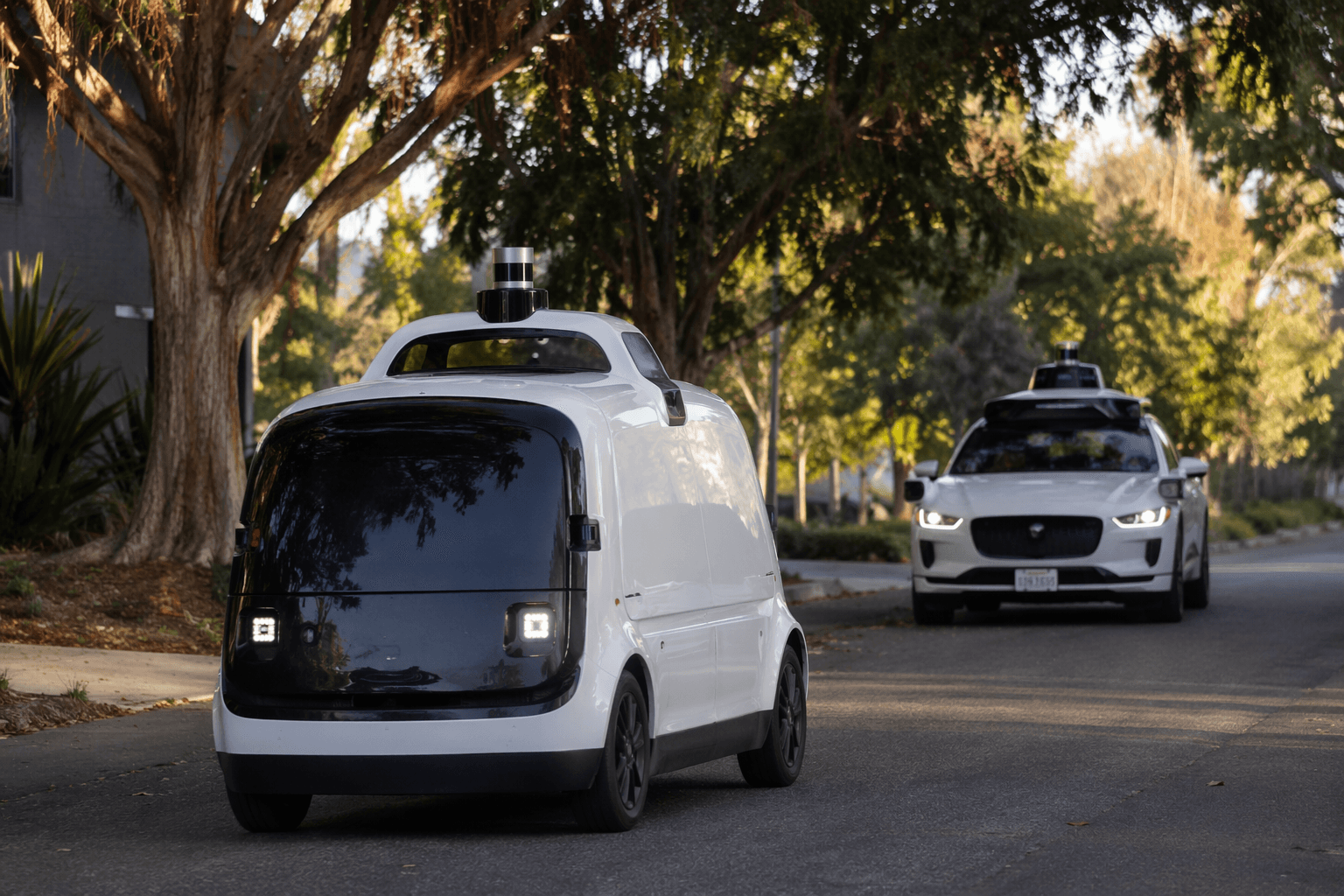
For Nuro, that history is both a warning and an opportunity. The warning is obvious: this market burns capital, moves slowly, and faces intense scrutiny. The opportunity is that Waymo has already shown what kinds of technical, regulatory, and operational problems a robotaxi company must solve before it can scale.
Why Nuro believes second place can still be strategic
Nuro says its own system has already been validated through more than five years of driverless deployments and over 1.7 million autonomous miles with zero at-fault incidents. That gives the company a foundation to argue that it is not entering the race empty-handed, even if it is entering later than Waymo.
The company’s pitch is that robotaxis may be one of the rare industries where learning from a rival’s first pass can save years of mistakes. If a company can study how the first mover handles safety scrutiny, regulatory friction, fleet operations, and consumer trust, it may be able to avoid dead ends and spend more efficiently.
Still, “second mover advantage” can also be a softer label for being behind in a capital-intensive race. The first company often writes the playbook, builds the public narrative, and takes on the earliest political and operational backlash. The second company may inherit useful lessons, but it also inherits a market that has already proven how expensive it is to scale.
The Uber and Lucid partnership changes the stakes
Nuro’s robotaxi strategy became more concrete in July 2025, when Uber announced a partnership with Nuro and Lucid to build a premium robotaxi service. In that deal, Uber invested $300 million in Lucid and made a separate multi-hundred-million-dollar investment in Nuro. The companies said the first autonomous ride-hailing vehicle for the Uber platform is expected to launch in 2026.
That partnership signals more than just another autonomous vehicle pilot. It shows Nuro trying to move from a narrow technology story to a full commercial ecosystem, one that combines Lucid’s vehicles, Uber’s ride network, and Nuro’s autonomy stack. A premium service also hints at how robotaxi adoption may unfold first: not as universal mobility, but as a higher-end offering that can generate early revenue and public visibility before broader access arrives.
That matters for social equity as much as for business strategy. If the earliest robotaxi service is premium, the first beneficiaries are likely to be riders who can already afford convenience. The broader public case for autonomy, including safer streets and more dependable mobility, will depend on whether the technology can eventually move beyond a luxury lane.
The public safety question behind the business case
Robotaxi competition is often framed as a race for market share, but the public health dimension is just as important. Every mile driven without a human driver is a test of whether the technology can reduce crashes, improve roadway safety, and build trust with the people sharing those streets.
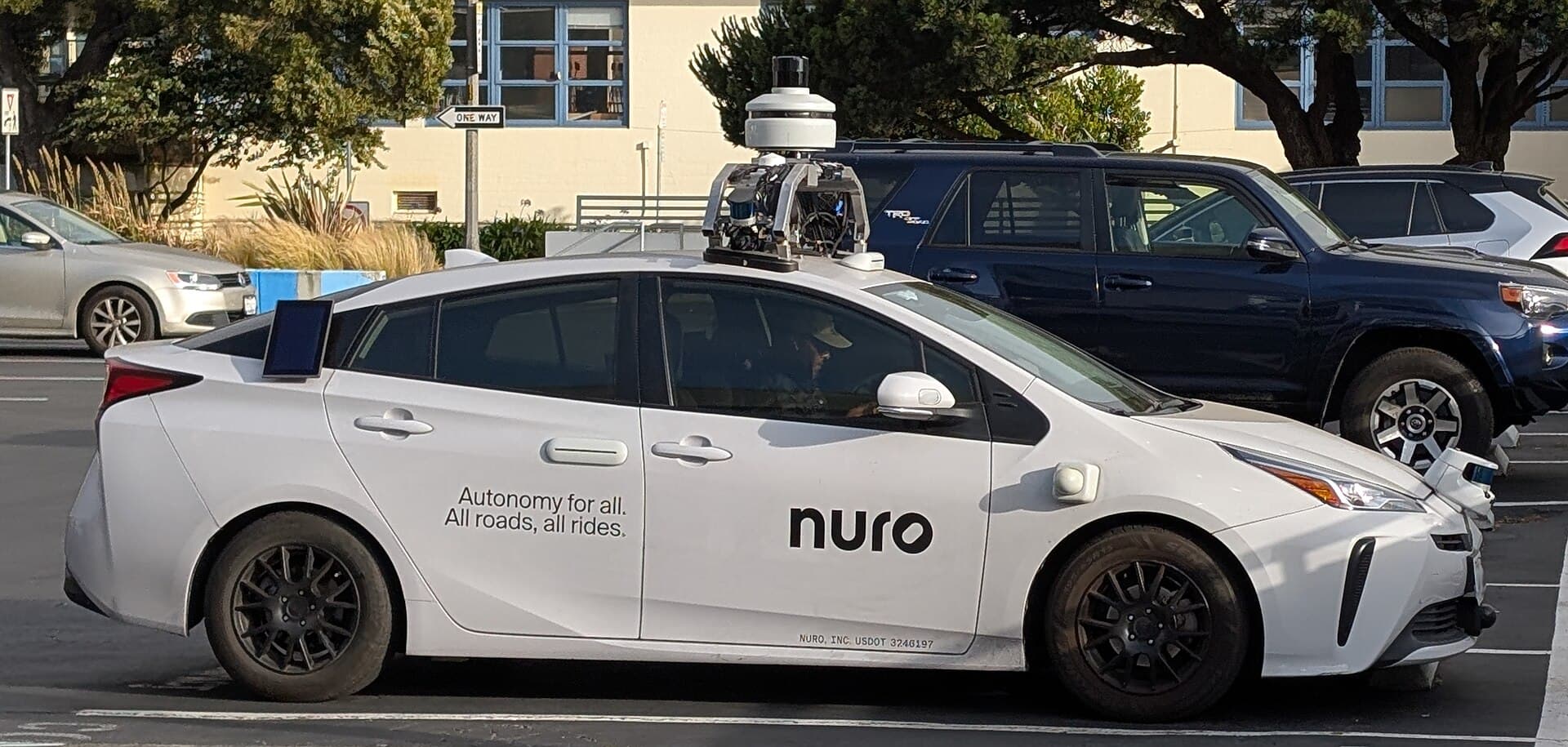
Nuro’s emphasis on more than 1.7 million autonomous miles with zero at-fault incidents is meant to reassure regulators, riders, and city governments that safety is not being treated as a side issue. Waymo’s decade of testing and multi-city expansion tells the same story from the other side: to reach this level of deployment, a company has to survive prolonged scrutiny and repeatedly prove that its system belongs on public roads.
That is why Nuro’s bet is so interesting. It is not claiming that being second is easier. It is claiming that the second company may be able to spend more intelligently, move more carefully, and reach the market with fewer costly missteps. In a sector where the first mover has already demonstrated how hard the climb is, that may be the closest thing to a rational shortcut.
What to watch next
The real test is whether Nuro can turn theory into deployment. The company now has a high-profile partnership, a 2026 launch target, and a safety narrative built around years of driverless miles. Waymo still has the much bigger fleet, the broader footprint, and the advantage of having already shown what scale looks like.
If Nuro can translate second-mover discipline into a product people trust, regulators can approve, and cities can absorb, the company may prove that arriving later is not necessarily a disadvantage. But if robotaxis remain a grind of expensive hardware, city approvals, and safety proof points, then “second mover advantage” may turn out to be less a new model than a more comfortable name for chasing the leader.
Know something we missed? Have a correction or additional information?
Submit a Tip