Nvidia chief Jensen Huang in Shanghai as H200 review intensifies
Nvidia CEO Jensen Huang visits Shanghai for employee events as Beijing weighs whether to allow sales of the company's H200 AI chips.
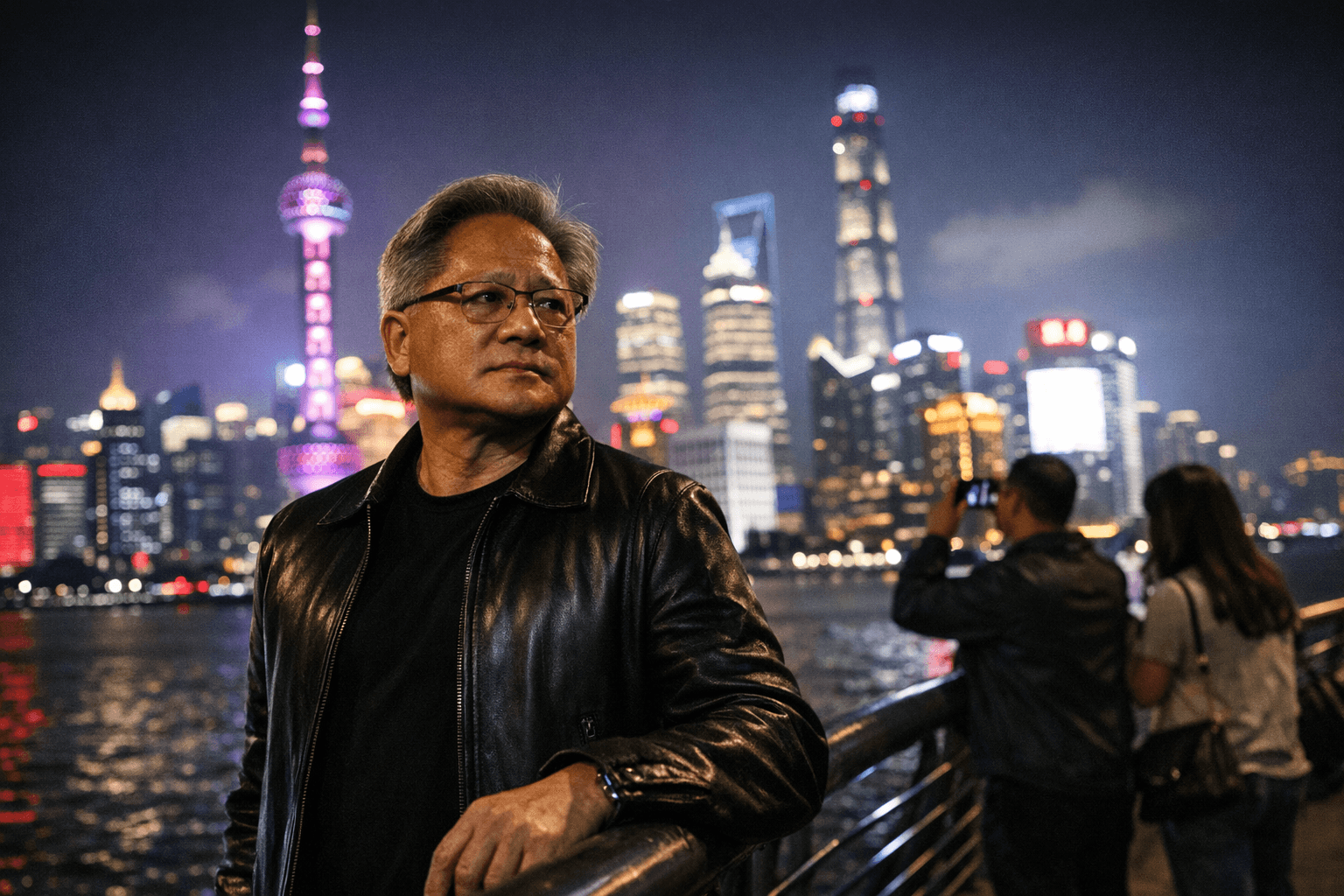
Nvidia CEO Jensen Huang is in Shanghai today for employee events, a visit that comes as Chinese regulators weigh whether to permit sales of the company’s H200 AI chips in the country. The trip, described by company insiders as routine, unfolds against rising regulatory scrutiny and intensifying competition from Chinese chip developers seeking to capture a growing domestic market for AI hardware.
The H200 is a follow-on to Nvidia’s data center accelerators and is central to the company’s strategy to supply advanced AI computing capacity worldwide. Access to China, one of Nvidia’s largest markets, has significant commercial implications for sales and partnerships with local cloud providers, internet platforms, and enterprise customers that are racing to deploy generative AI applications.
Beijing’s deliberations over H200 sales reflect broader tensions about technology policy, industrial self-reliance, and oversight of advanced semiconductors. Chinese authorities have in recent years tightened controls on critical technologies while also pressing domestic firms to close gaps in high-performance processors and AI chips. The decision on H200 could become a litmus test for how the government balances economic incentives with concerns about technology flows and strategic autonomy.
For Nvidia, the stakes are immediate. The company has relied on robust demand from hyperscalers and cloud services in China, and a restriction on H200 could force customers to adopt alternative architectures or turn to Chinese-made accelerators that have been gaining capability. Domestic chipmakers have accelerated development of AI processors tailored to local needs, positioning themselves as potential beneficiaries if access to Nvidia’s latest devices is limited.
The regulatory review also carries implications for Chinese companies building large language models and other compute-intensive AI services. Many of these firms depend on high-performance accelerators for training and inference; curtailed access to H200 could slow deployment or increase costs as businesses scramble to source other hardware or retrofit existing infrastructure.
Huang’s presence in Shanghai is likely to be watched closely by industry executives and investors for signals about Nvidia’s plans and relations with Chinese partners. While the events with employees are characterized internally as routine, the timing underscores how corporate diplomacy and on-the-ground engagement can matter when governments are assessing high-stakes approvals.
Market participants say any decision from Beijing could come with conditions such as licensing terms, usage restrictions, or phased approvals that would shape how H200 devices are deployed. A full block would accelerate efforts by Chinese firms to deepen their supply chains and could hasten parallel ecosystems that reduce dependence on foreign accelerators. Conversely, conditional approvals could preserve sales while imposing governance measures to address regulatory concerns.
The outcome will affect more than Nvidia’s revenue. It will influence the global AI hardware landscape, competition between foreign and domestic suppliers, and how governments calibrate access to advanced computing technologies amid economic and security priorities. As regulators evaluate the H200, Huang’s visit highlights the intersection of corporate strategy and state decision-making in an era when chips are central to technological and geopolitical competition.
This article was produced by Prism’s automated news system from verified source data, official records, and press releases, then run through automated quality and moderation checks before publishing. The system is built and supervised by the people who set the standards it runs under. Read our full AI policy.
Did this article answer your question?