Nvidia pauses China-bound H200 production, redirects TSMC wafers to Rubin chips
Nvidia has halted H200 wafer production for China and shifted TSMC capacity to Vera Rubin chips amid export uncertainty, affecting orders, payments and packaging supply.
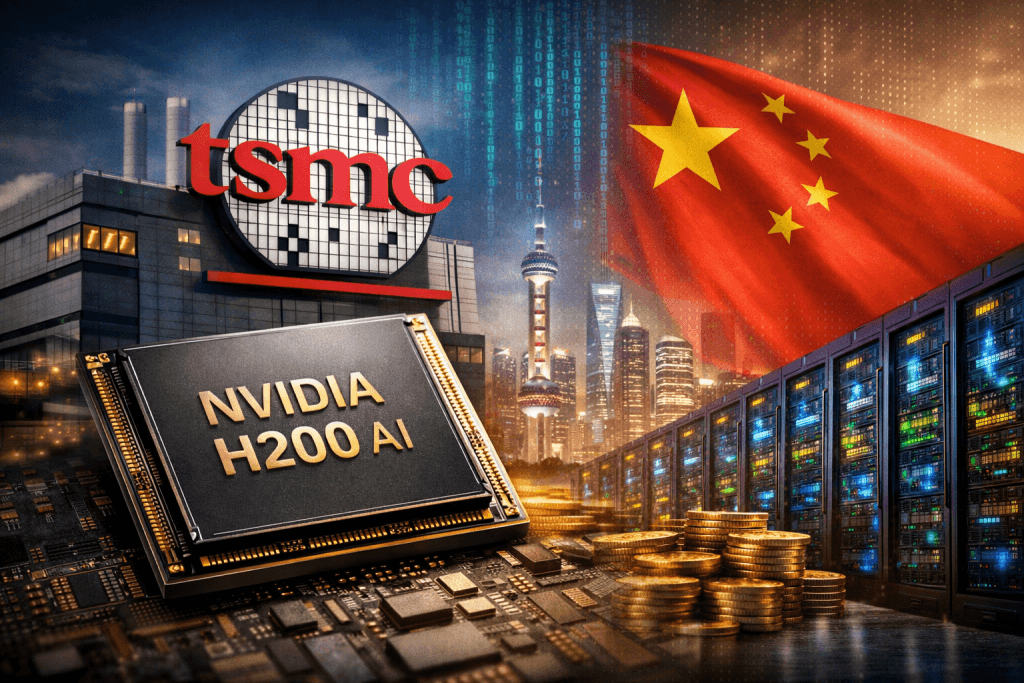
Nvidia has quietly paused production of H200 accelerators destined for China and redirected wafer capacity at contract manufacturer TSMC to supply its next-generation Vera Rubin chips, a move the company says reflects rising export uncertainty and shifting product priorities. The decision changes an already strained supply picture for advanced AI processors and leaves Chinese customers facing tighter payment rules and longer lead times.
Chinese buyers had placed more than 2 million orders for H200 units, while Nvidia’s on-hand inventory stood at about 700,000, creating a supply gap approaching 2:1. The H200 is priced at roughly $27,000 a unit and is billed internally as a high-performance follow-on to the H100, with industry messaging claiming it delivers about six times the performance of the previously blocked H20 model. Nvidia had planned to fulfill initial China orders from existing stock before Lunar New Year and had been engaging TSMC to expand H200 output in the second quarter of 2026, but those plans were superseded by the wafer reallocation to Rubin production.
To shield itself from the regulatory uncertainty, Nvidia has tightened payment terms for China-bound H200 orders: customers must now pay in full up front, and orders cannot be canceled, refunded or reconfigured after placement, with very rare exceptions for commercial insurance or asset collateral. The new terms shift financial risk onto buyers at a time when customs actions and regulatory reviews have interrupted normal flows.
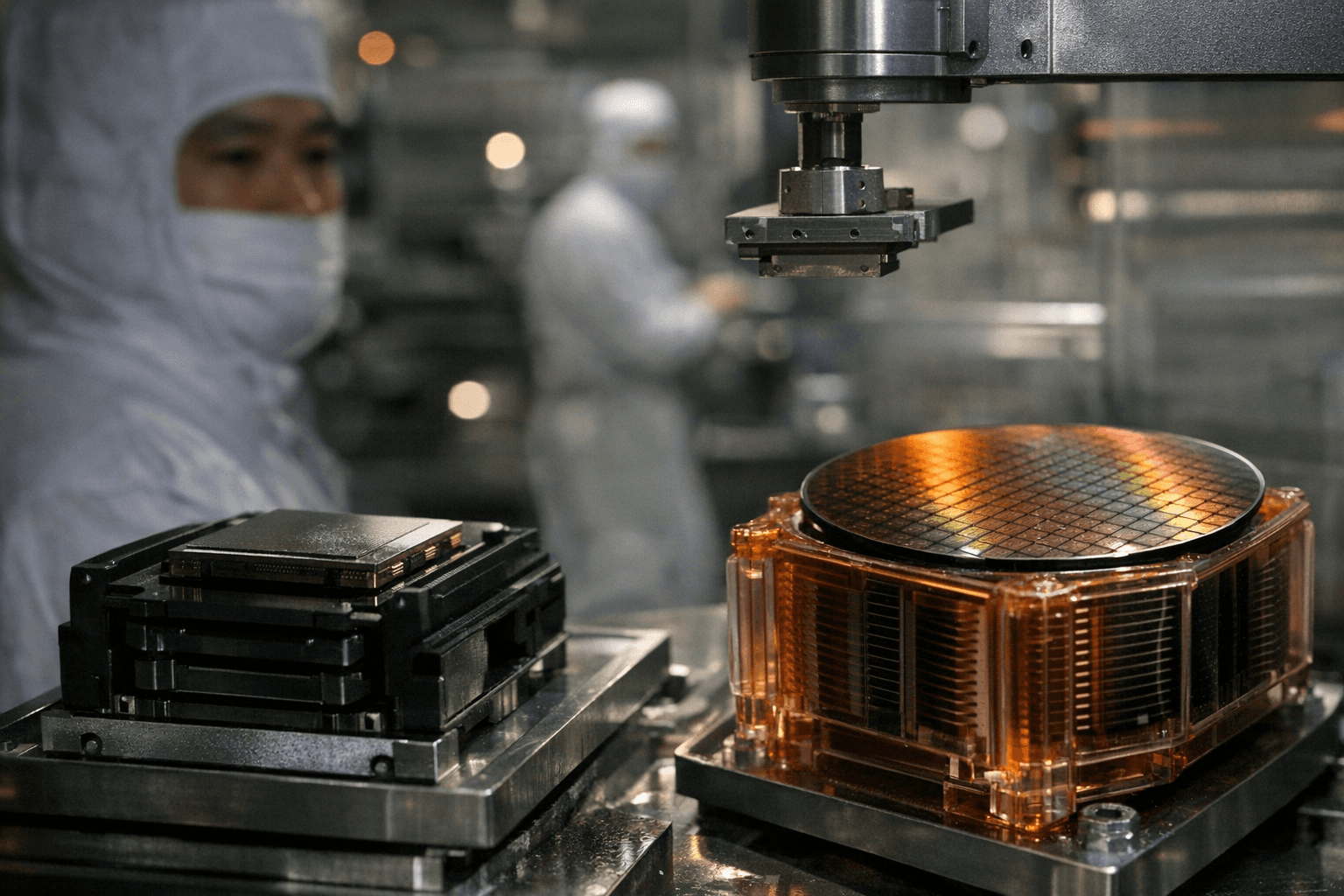
Supply-chain constraints are central to the pivot. H200 chips are manufactured on TSMC’s 4-nanometer node and require advanced wafer-level packaging and high-bandwidth memory integration using CoWoS packaging, which remains a bottleneck. TSMC has simultaneously been under heavy demand for Nvidia’s Blackwell and Rubin product lines, and competition for advanced packaging slots also includes other large cloud players and technology firms. Suppliers in the H200 supply chain paused output of some components after Chinese customs blocked shipments of processors entering the country, and Chinese authorities instructed local technology companies to pause new orders while import approvals are clarified.
The disruption has immediate market implications. Large Chinese cloud and internet groups were reported to be planning outsized GPU spending this year, with one buyer identified as planning roughly $14 billion of GPU purchases. The combined effect of upfront payments, blocked shipments and reduced wafer availability will slow procurement cycles, raise working-capital demands for Chinese customers and likely push some demand toward Rubin and Blackwell-family chips once those lines are prioritized.
Nvidia CEO Jensen Huang has characterized demand as “quite high” and said, “We have fired up our supply chain.” That demand, however, is colliding with geopolitical frictions and physical bottlenecks in packaging throughput, forcing the company to reallocate resources across a crowded roadmap.
What to watch next: whether TSMC formally reconfirms a Q2 2026 ramp for any H200 lines, whether Chinese regulators lift import holds or issue clear guidance, and how quickly suppliers restart component production. The reconciliation of order estimates also matters: some industry projections cited more than 1 million orders globally, while Chinese orders alone have been reported above 2 million, a discrepancy that will determine the magnitude of any supply shortfall and its impact on pricing and deployment timelines.
This article was produced by Prism’s automated news system from verified source data, official records, and press releases, then run through automated quality and moderation checks before publishing. The system is built and supervised by the people who set the standards it runs under. Read our full AI policy.
Did this article answer your question?