NVIDIA pushes physical AI with richer data, simulation and robotics tools
NVIDIA deepened its physical AI push with new Omniverse and Cosmos tools as robotics training demands denser labels, simulation and, eventually, more intimate sensor data.
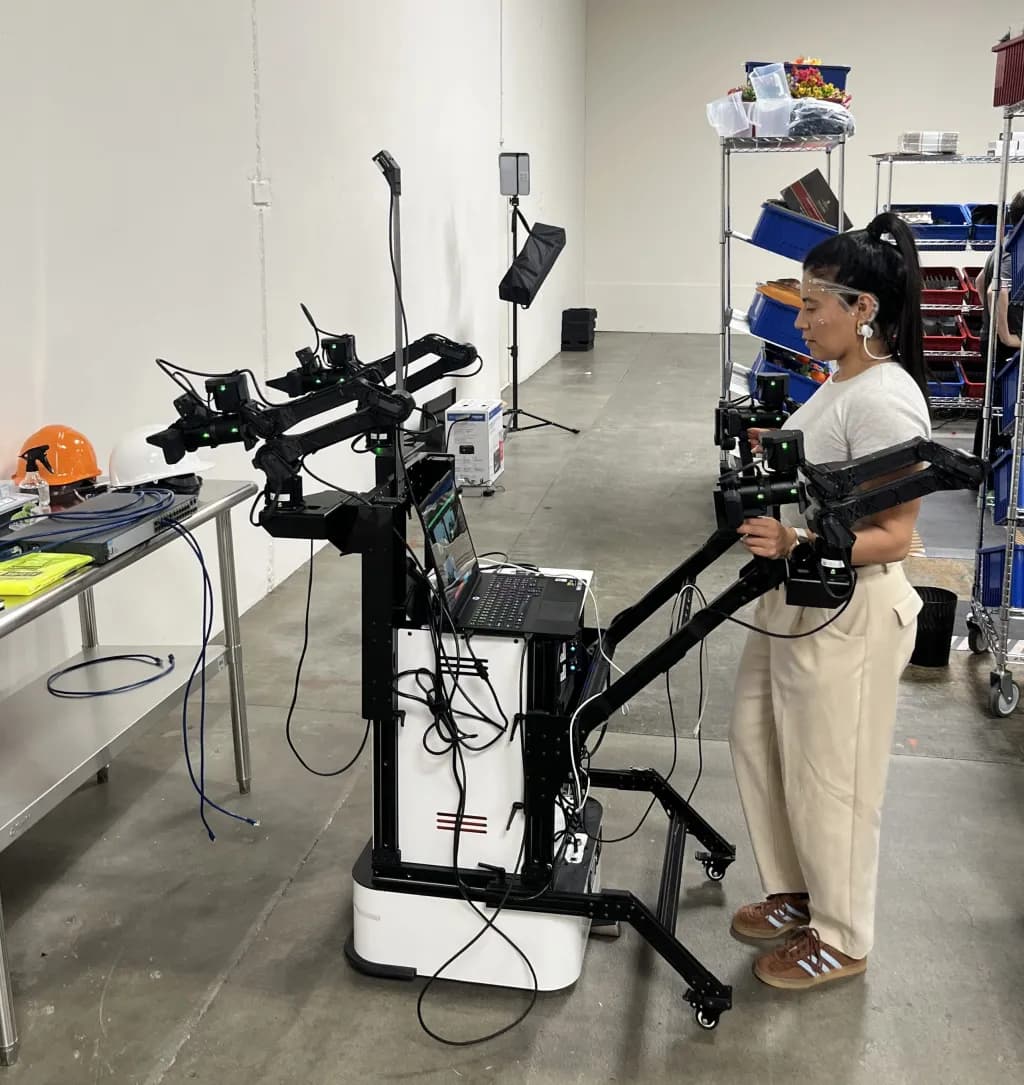
At SIGGRAPH in Vancouver, British Columbia, on Aug. 11, 2025, NVIDIA announced new Omniverse libraries, Cosmos physical AI models and AI computing infrastructure. Physical AI covers autonomous systems like cameras, robots and self-driving cars that perceive, understand, reason and act in the physical world.
Teaching autonomous robots and vehicles requires vast amounts of high-quality data, and that requirement has become the choke point for the field. Robots depend on video labeling tools, dense annotation and reliable processing pipelines, not just more footage, in a June 4, 2025 Encord piece on robotics video annotation. NVIDIA’s push for an open physical AI dataset was aimed at accelerating robotics and autonomous vehicle development.
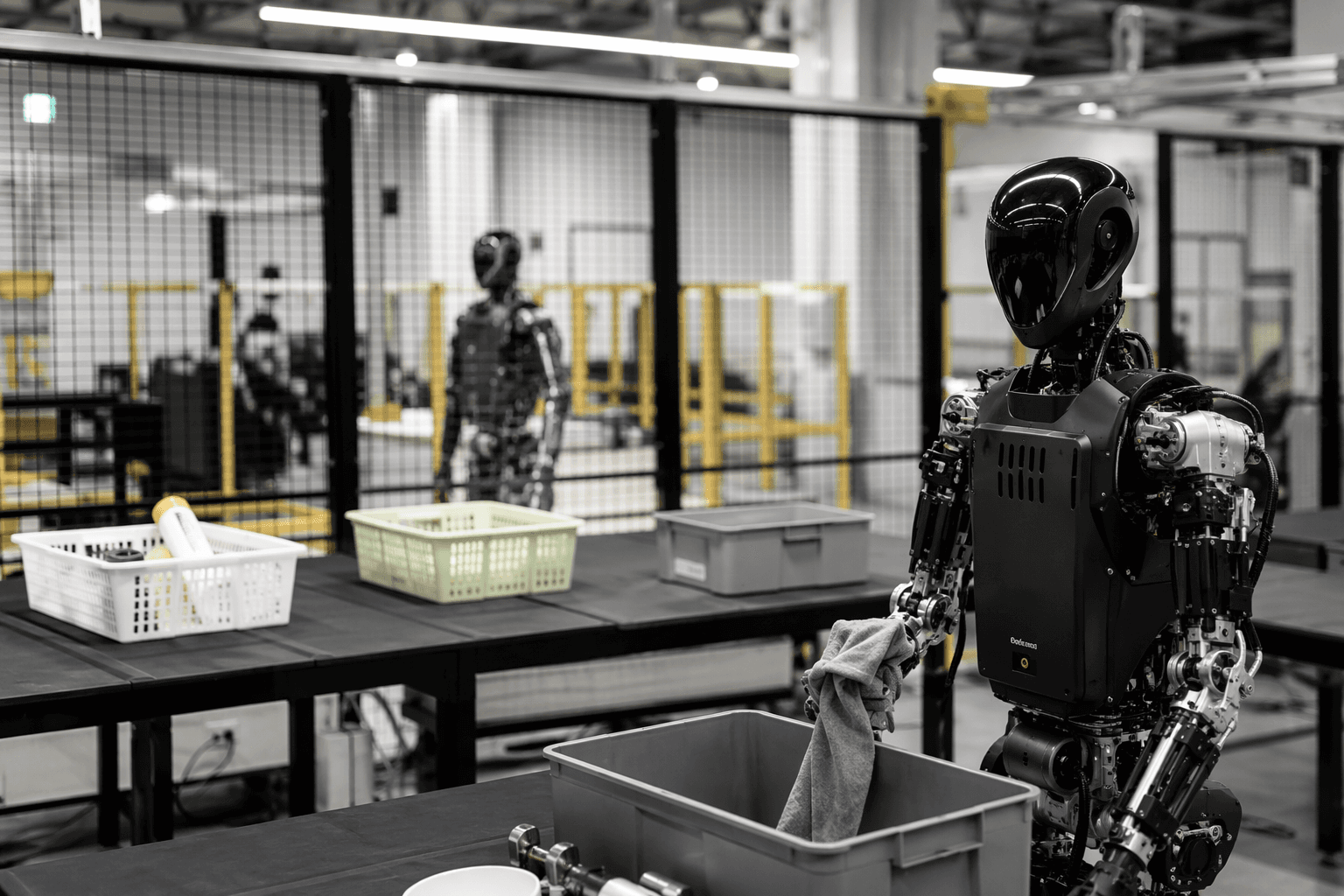
Stanford visualized neuron-specific waves moving through mouse brains in real time and identified three types of brain waves moving in previously unseen directions. Stanford said the work could help research into epilepsy, Alzheimer’s and Parkinson’s, and could also aid artificial intelligence. An overview hosted by the U.S. National Library of Medicine links RGB-D cameras and brain-computer interfaces to human activity recognition.
IS-PAIR 2025 was a closed research topic focused on physical artificial intelligence and robotics, while IROS 2025 ran Oct. 19-25 in Hangzhou, China. NVIDIA’s research includes neural rendering, 3D generation and world simulation for robotics, autonomous vehicles and content creation. A 2025 TGVP release referenced humanoid robots, and a LinkedIn post titled “Physical AI Arrives: $40.7B Invested in Robotics in 2025” cited a 2026 remark attributed to Jensen Huang.
This article was produced by Prism’s automated news system from verified source data, official records, and press releases, then run through automated quality and moderation checks before publishing. The system is built and supervised by the people who set the standards it runs under. Read our full AI policy.
Did this article answer your question?