Nvidia’s China chip sales stall as Huawei gains ground
Nvidia’s H200s were cleared for about 10 Chinese buyers, but none had shipped by May 14 as Huawei and other domestic chipmakers filled the gap.
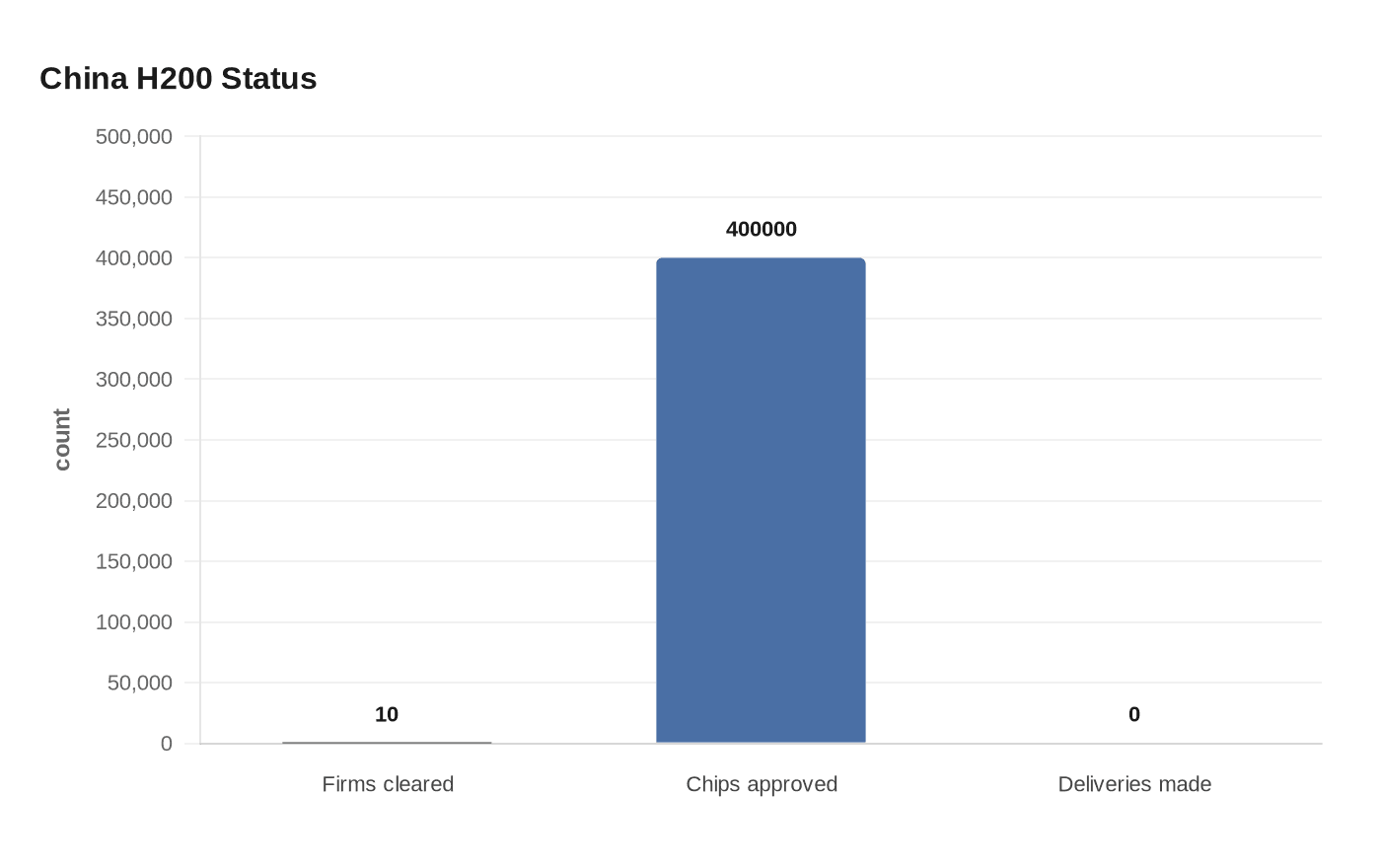
Nvidia’s effort to keep China in its market orbit has run into a hard stop: U.S. authorities cleared around 10 Chinese firms to buy its H200 AI chip, yet not a single delivery had been made by May 14, 2026. As Washington tightens export controls and Beijing pushes buyers toward homegrown alternatives, Huawei and other domestic chipmakers are moving into the opening.
The stall leaves Nvidia in a narrow and increasingly political corridor. Jensen Huang joined Donald Trump’s trip to Beijing seeking a breakthrough during summit week, but the China chip issue remained unresolved. The company’s H200, Nvidia’s second-most powerful AI chip, has become a test case for whether limited approvals can still translate into actual sales when both governments are pressing on the market from opposite directions.
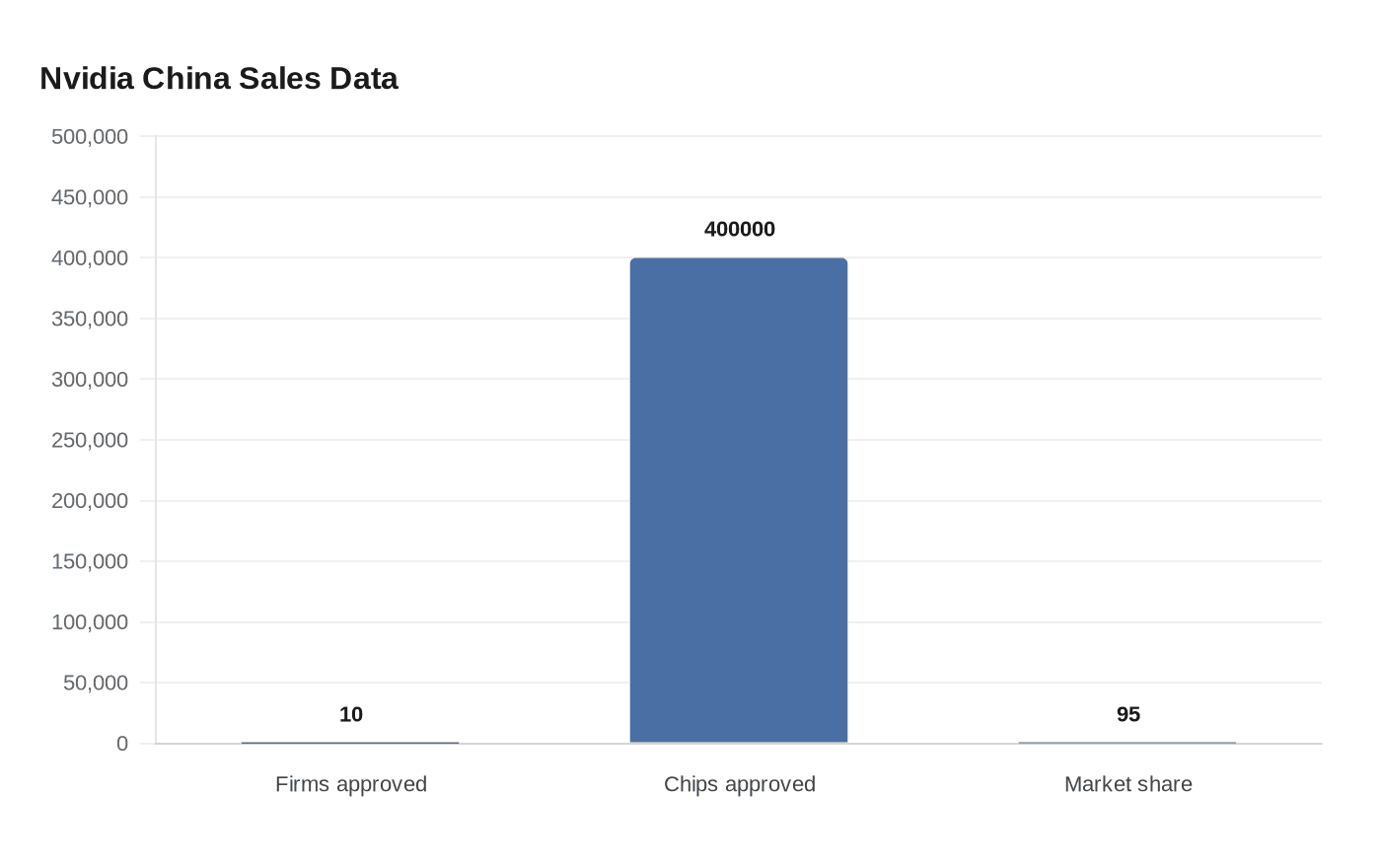
China’s biggest technology companies were among those given clearance. Alibaba, Tencent and ByteDance were approved in January 2026 to buy more than 400,000 H200 chips combined, but the approvals came with conditions and restrictions that some sources said were too tight to turn into orders. Other Chinese firms later joined the queue for subsequent approval, underscoring how the market has become entangled in a slower, more uncertain review process on both sides of the Pacific.
The broader shift is even more important than the stalled shipments. Before U.S. export curbs tightened, Nvidia commanded about 95% of China’s advanced chip market. That dominance has eroded as Chinese buyers increasingly turn to domestic chipmakers like Huawei in a drive to reduce dependence on Western technology. Chinese regulators and corporate buyers have also grown more cautious about relying on U.S. semiconductors, a trend that has accelerated as the export controls hardened.
For Nvidia, the result is not just lost sales today but a tougher competitive landscape over time. Beijing’s push for self-reliance is strengthening domestic rivals just as Washington’s pressure campaign limits Nvidia’s ability to serve a crucial market. Even when chips win approval, they can still be delayed or blocked by China’s own guidance and review process, leaving Nvidia caught between two governments and a market that may never return to its former shape.
This article was produced by Prism’s automated news system from verified source data, official records, and press releases, then run through automated quality and moderation checks before publishing. The system is built and supervised by the people who set the standards it runs under. Read our full AI policy.
Did this article answer your question?