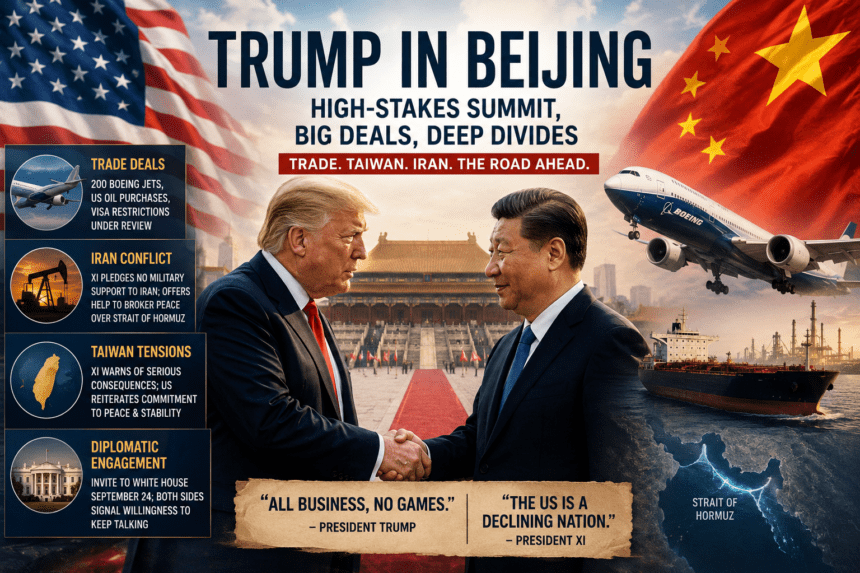
Trump says China will buy 200 Boeing jets in major deal
Trump said China would buy 200 Boeing jets, but Beijing had not confirmed it, leaving the biggest detail in the deal still unspoken.
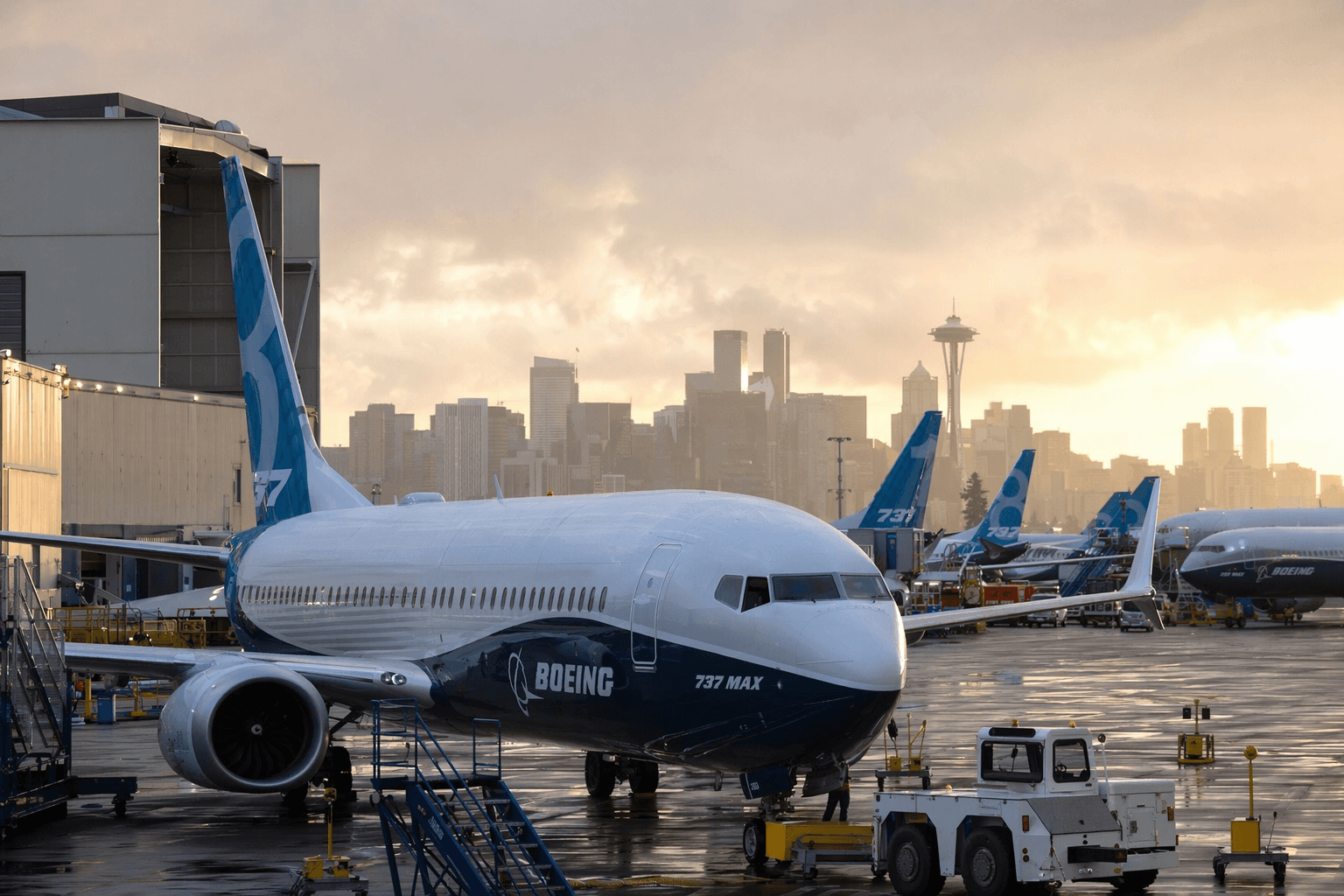
China’s reported promise to buy 200 Boeing jets landed with a credibility gap already built in. Donald Trump said Xi Jinping agreed to the purchase after talks in Beijing, but Beijing had not publicly confirmed the order, and the market treated the announcement as a claim, not yet a deal.
The reaction was immediate. Boeing shares fell after the announcement, a sign that investors judged the 200-jet figure as smaller than the larger package many had expected. Earlier reporting had pointed to discussions over as many as 500 aircraft, while CNBC said Boeing had been expecting more than 150. The reported number was still a meaningful piece of trade diplomacy, but it was widely described as below earlier expectations.
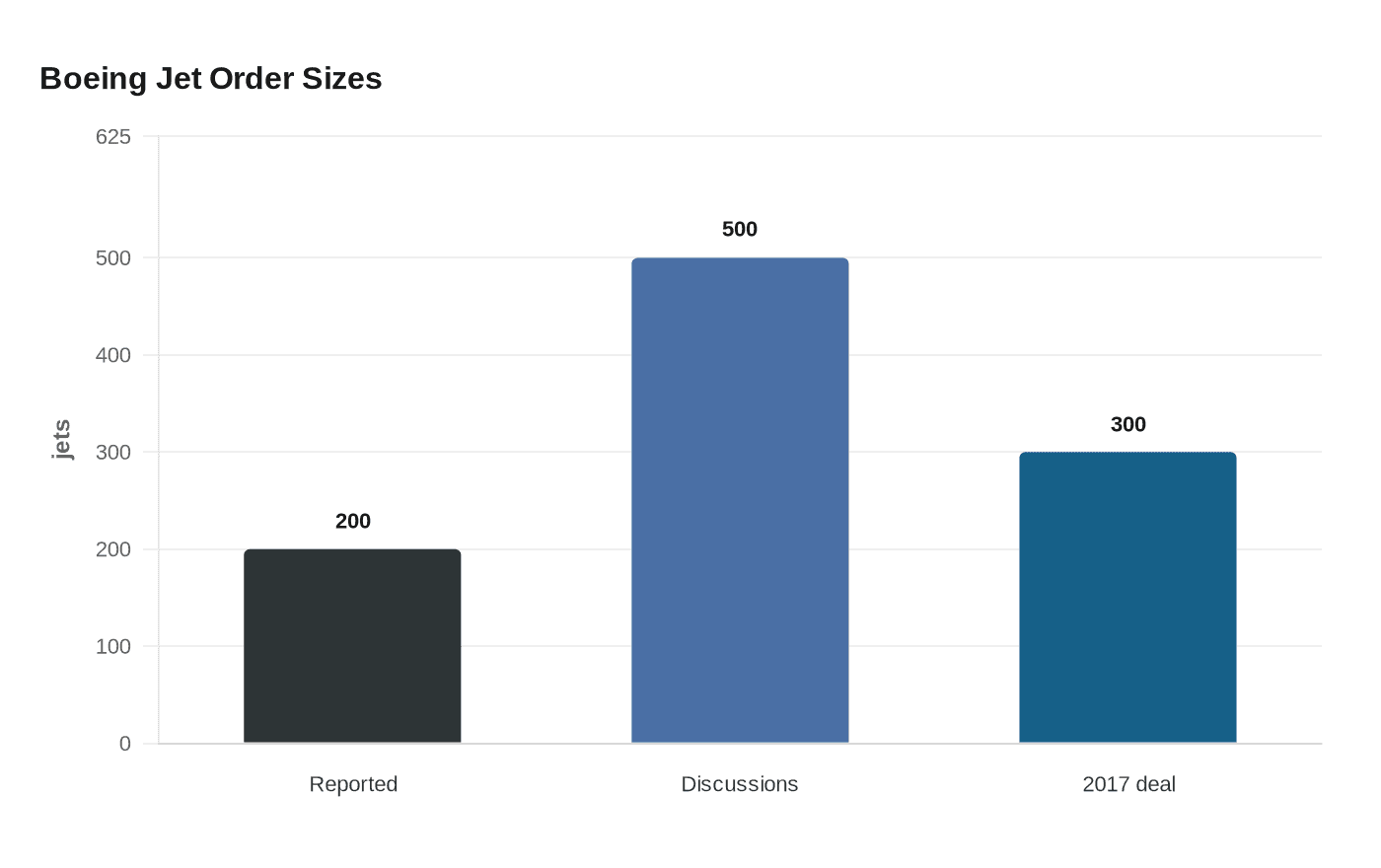
If it is finalized, the purchase would be China’s first major order of U.S.-made commercial jets in nearly a decade and Boeing’s first major state-linked Chinese aircraft sale since 2017. That earlier agreement, signed with China Aviation Supplies Holding Company, covered 300 airplanes and was valued at more than $37 billion at list prices. For Boeing, a company that has spent years trying to regain ground in China, the contrast is stark: a potential rebound now hinges on whether an announced headline can become a signed commercial commitment.
The stakes are large because China remains one of the world’s biggest aviation markets, even as Boeing has lost share there over the past decade. Airbus overtook Boeing in China in the 2010s and has since become the larger supplier. That shift matters far beyond one order book. It has reshaped the balance of power in one of the industry’s fastest-growing markets and left Boeing pressing to recover business that was once more securely its own.
The 200-jet figure also illustrates how summit-era dealmaking often works: the political announcement comes first, while the commercial and bureaucratic machinery comes later. For the sale to become real, it would need to move from a statement in Beijing into a formal order that Chinese buyers and Boeing can execute. If that happens, the deal would bolster Boeing’s long-strained China business, support U.S. manufacturing, and offer Trump a tangible trade win. If it does not, it will stand as another reminder that in U.S.-China aviation politics, the announcement is often easier than the aircraft order itself.
Know something we missed? Have a correction or additional information?
Submit a Tip