NYC Drops AI High School Plan After Parent Backlash
Parents forced New York City to shelve its first AI high school, exposing how little guidance the system had in place before moving to institutionalize the technology.
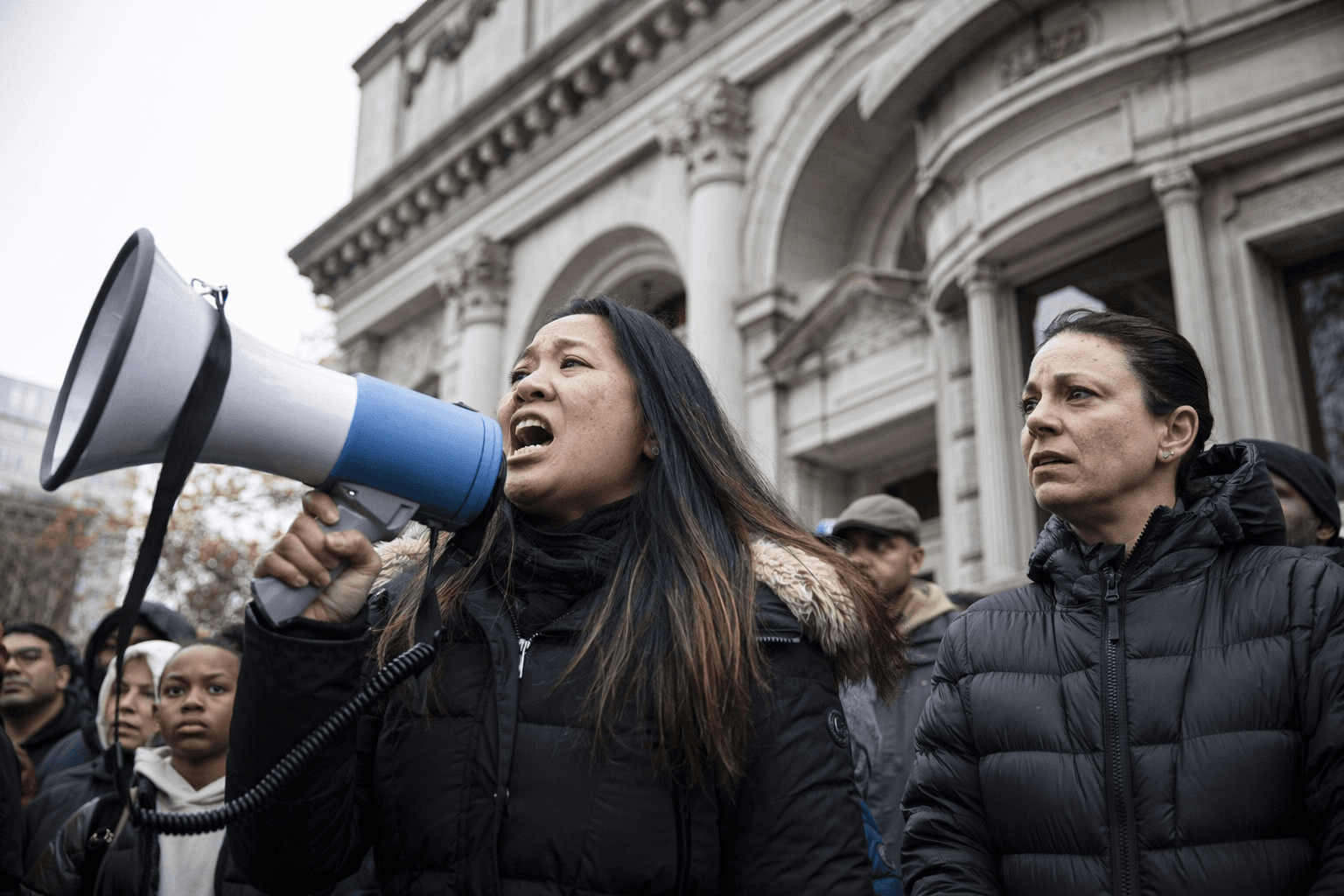
New York City shelved its first AI-focused public high school after parents and educators warned that the system was moving faster than its rules. The proposal for Next Generation Technology High School in Lower Manhattan had been pitched as a selective school that would prepare students for cybersecurity, computer science, robotics and advanced math, while making them “builders as well as ethical users of AI.”
The backlash centered less on the idea of teaching artificial intelligence than on how quickly the city tried to build it into public education without formal guardrails. Families raised concerns about plagiarism and data security, even as officials had still not released the AI guidance they promised in early February. By late March, the rules were still unfinished, but the school was already being advanced for a possible fall opening and headed for a hearing on April 14 before a Panel for Educational Policy vote.
Supporters argued the proposal had been misunderstood and insisted it did not mean students would spend all day using AI. The Citywide Council on High Schools passed a resolution backing the school, and the plan called for students to be trained for high-growth technology careers. Still, critics said the city was asking families to accept a new model before setting clear expectations for how AI should be used in classrooms, echoing the earlier hype cycle around social media.
The reversal did not stop with the AI school. The Department of Education also withdrew proposals to remove middle school grades at P.S. 333 Manhattan School for Children and P.S./I.S. 191 Riverside School for Makers and Artists, and to relocate the Center School. Those changes had also been scheduled for a Panel for Educational Policy vote and were meant to take effect next school year. Officials had said the Upper West Side restructuring was intended to address enrollment declines and create room for lower class sizes in popular schools.
Taken together, the retreats showed how much community consent matters when schools try to redraw themselves around new technologies and new enrollment plans. Parents were not simply rejecting AI. They were challenging whether the city had earned the right to institutionalize it before explaining the rules, proving the benefits and addressing the risks that come with putting students first.
This article was produced by Prism’s automated news system from verified source data, official records, and press releases, then run through automated quality and moderation checks before publishing. The system is built and supervised by the people who set the standards it runs under. Read our full AI policy.
Did this article answer your question?