NYC museum program reunites incarcerated fathers with their children
At a Manhattan museum, incarcerated fathers spent two hours drawing, singing and eating with their children, part of a city test of whether family visitation can aid reentry.
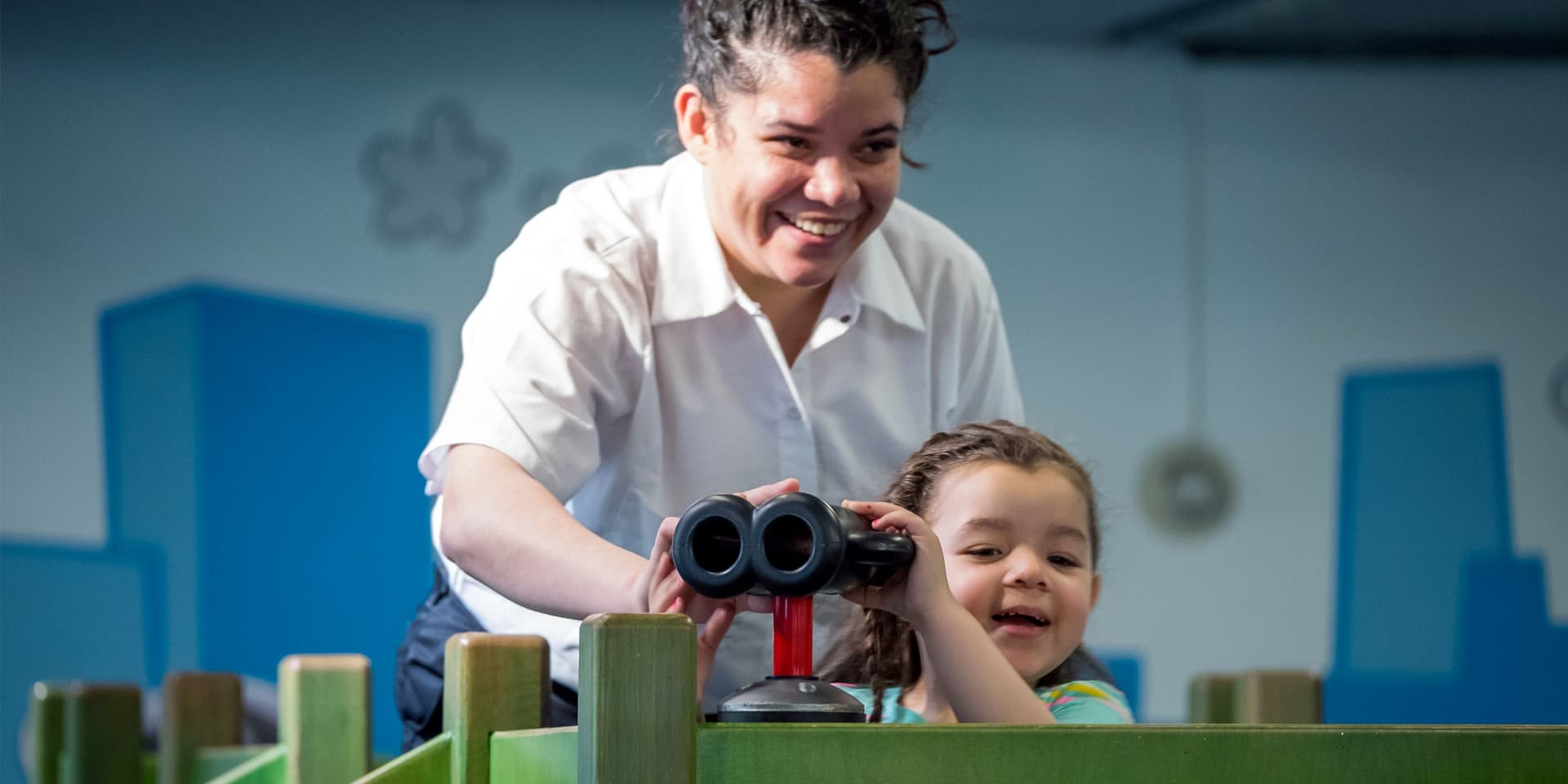
In a city where visits to Rikers Island are usually filtered through glass, rules and stigma, the Children’s Museum of Manhattan has offered something radically different: a two-hour family reunion built around art, music, storytelling and play. Up to 15 incarcerated mothers or fathers can join children and caregivers for the off-island visits, and participants receive free museum memberships, a small but meaningful sign that the city is trying to treat family contact as part of correctional policy, not a privilege tacked on at the margins.
The program resumed on October 24, 2022, after a two-year pandemic pause, through a partnership among the New York City Department of Correction, the Children’s Museum of Manhattan and Robin Hood. It began as a program for women in custody and was later expanded to men, a shift that matters in a jail system where fathers often lose ordinary opportunities to be physically present with their children. Inside the museum setting, families take part in educator-led tours, healthy meals and take-home art kits, all meant to create a calmer, more child-centered experience than a standard jail visit.

That difference is the program’s core claim. In earlier accounts of the same initiative, detainees said they did not want their children to see them in jumpsuits at Rikers, where visits are highly structured, last about an hour and keep parents seated across from their children. The museum format softens those barriers. It lets children play, learn and touch the same space as a parent without the constant reminders of detention, which can deepen the shame and stress that already shadow family separation.
DOC says the aim is bigger than a nice afternoon out. The department has argued that maintaining family connections can reduce recidivism and support reentry, framing the visits as part of a public-safety strategy as much as a family service. That is where the policy question sharpens: the value of the program is not just whether it feels restorative in the moment, but whether it helps children stay connected and gives fathers a better chance of rebuilding family life after release.
New York City has been widening that experiment. The Brooklyn Children’s Museum launched Haven: Reunification in 2025 for fathers incarcerated at Rikers, a bimonthly program backed by a $160,000, two-year grant from Clara Wu Tsai’s Social Justice Fund. DOC has also installed Baby Brain Building Hubs inside Rikers visit areas, designed to encourage playful parent-child interaction and expected to serve about 50,000 visitors a year. Together, the efforts suggest a correction system trying to move beyond punishment alone.
Still, any program that extends warmth and access to people held at Rikers will draw political scrutiny. The lasting test is not whether the visits are heartwarming, but whether they strengthen family stability, support child well-being and improve reentry enough to justify making them part of the city’s correctional playbook.
This article was produced by Prism’s automated news system from verified source data, official records, and press releases, then run through automated quality and moderation checks before publishing. The system is built and supervised by the people who set the standards it runs under. Read our full AI policy.
Did this article answer your question?