NYSE and Nasdaq close for Juneteenth, halting U.S. stock trading
Juneteenth closed NYSE and Nasdaq for Friday trading, pushing key settlement, reporting and cash-management deadlines to Monday, June 22.
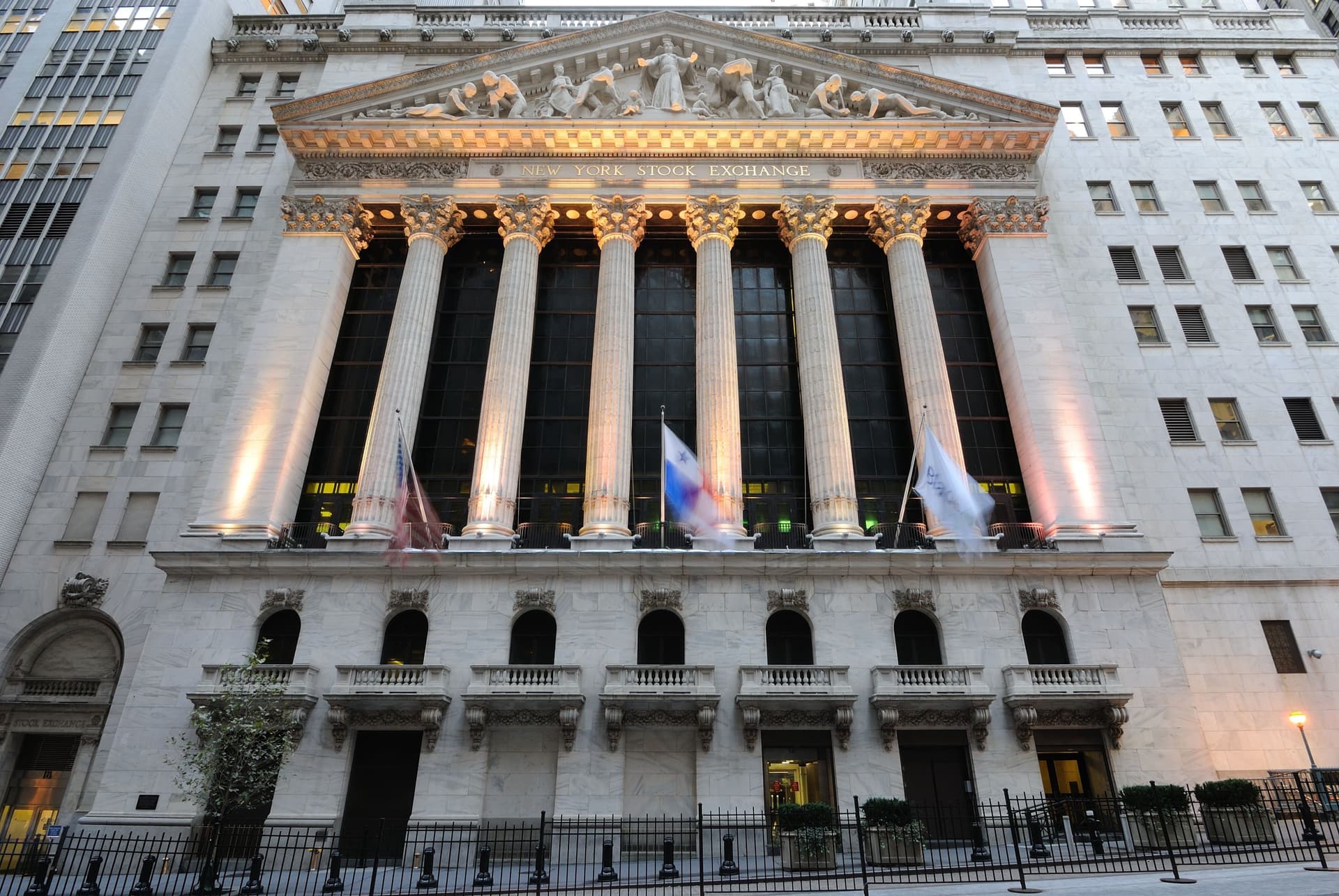
Juneteenth shut the main U.S. stock market on Friday and turned an ordinary trading day into a three-day timing problem for investors, banks and businesses. The New York Stock Exchange and Nasdaq were closed for the federal holiday and were set to reopen Monday, June 22, leaving a shortened week and delaying any news-driven trades that might have hit the tape on June 19.
The closure mattered far beyond the stock market. The Federal Reserve Board said daily and weekly statistical releases scheduled for Friday would be pushed to Monday, June 22, showing how the holiday moved financial reporting as well as trading. For derivatives, CME Group said all products settled at normal times on Thursday, June 18, but it did not derive or disseminate settlement prices on Friday, June 19, a shift that affects back-office processing, margin checks and short-term positioning.

Banks and the mail system also stepped back. The U.S. Postal Service said all Post Office locations were closed on June 19, while noting that Juneteenth is a non-widely observed holiday, meaning many private businesses remained open. FedEx said its U.S. and international parcel and express services continued on planned holiday schedules, and UPS said it offered shipping services throughout the holidays, underscoring that delivery networks do not always mirror the federal calendar.
That split calendar has practical consequences for households and small firms. Payroll processing, bill payments and cash management can all slow when federal markets and agencies pause, even if retail stores and carriers stay open. Investors who rely on weekday price discovery, mutual fund rebalancing or retirement-account transfers had to factor in the closure, especially with no U.S. equity session to absorb late-week news. In a market where timing can determine execution price, a federal holiday can change the pace of ordinary portfolio moves.
Juneteenth also carried its civic meaning into the trading calendar. The holiday commemorates the end of slavery in the United States and is now part of the federal schedule, including the Federal Reserve Board’s June calendar. On Wall Street, that symbolism came with a concrete operational result: no stock trading on Friday, delayed releases, and a Monday reset for markets, payments and paperwork alike.
This article was produced by Prism’s automated news system from verified source data, official records, and press releases, then run through automated quality and moderation checks before publishing. The system is built and supervised by the people who set the standards it runs under. Read our full AI policy.
Know something we missed? Have a correction or additional information?
Submit a Tip