NYSE and Nasdaq Reopen April 6 After Good Friday Closure, Easter Monday Not a Holiday
NYSE and Nasdaq resumed normal trading Monday after Good Friday closure; Easter Monday carries no federal holiday status, keeping both exchanges fully open.
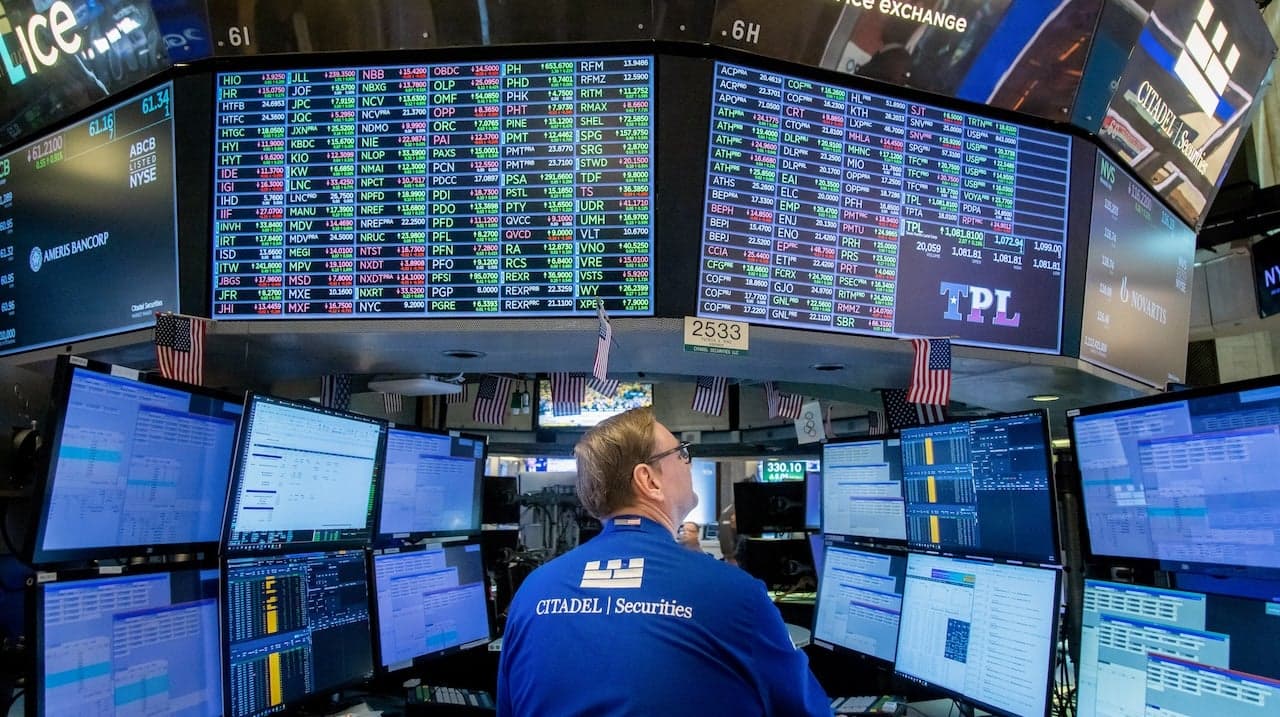
The NYSE and Nasdaq both reopened April 6 on their standard schedules after closing for Good Friday on April 3, with regular trading sessions running from 9:30 a.m. to 4:00 p.m. ET. Easter Monday carries no federal holiday designation in the United States, a distinction that kept both major exchanges fully operational despite the four-day break.
The New York Stock Exchange's official holidays and hours calendar lists Good Friday as a market closure day but makes no such designation for Easter Monday. That calendar served as the authoritative reference for brokerages and financial news outlets, which echoed the same guidance heading into the session. As one regional financial report summarized the practical takeaway: "The stock markets were closed on Good Friday, but the religious holiday is not a federal holiday, so the U.S. stock markets are fully operational on Monday."
Bond markets followed similar conventions, with no broad-scale fixed-income closure scheduled for April 6 under SIFMA advisories. Banks and the U.S. Postal Service also ran normal operations, though some individual retail branches and regional offices maintained limited hours.

Traders returning from the holiday weekend faced the prospect of compressed volatility in the opening hours. Geopolitical or economic developments that emerged while U.S. exchanges were dark on Good Friday can reprice quickly when liquidity returns, and the first hours of trading after a holiday often carry sharper moves as a result. Some international and European exchanges observed local holidays on April 6, a factor that reduced cross-border liquidity in certain instruments and added complexity for those trading ADRs or European-listed equities.
Clearing and settlement through DTCC operated on standard schedules, leaving T+2 settlement timelines intact. Exchange notices and financial advisors recommended that market participants verify broker-specific calendars for margin deadlines and customer-service hours, particularly for those using extended-hours platforms where thinner liquidity and wider spreads are common even under ordinary conditions. Institutional desks typically ensured hedging coverage and staffing ahead of the first post-holiday open, a routine precaution when weekend headline risk is elevated.
This article was produced by Prism’s automated news system from verified source data, official records, and press releases, then run through automated quality and moderation checks before publishing. The system is built and supervised by the people who set the standards it runs under. Read our full AI policy.
Did this article answer your question?

