Samsung, SK Hynix Set for Record Q1 Profits Fueled by AI Chip Demand
Samsung's operating profit may hit an all-time quarterly high as AI server demand tightens HBM supply and reshapes global memory markets.
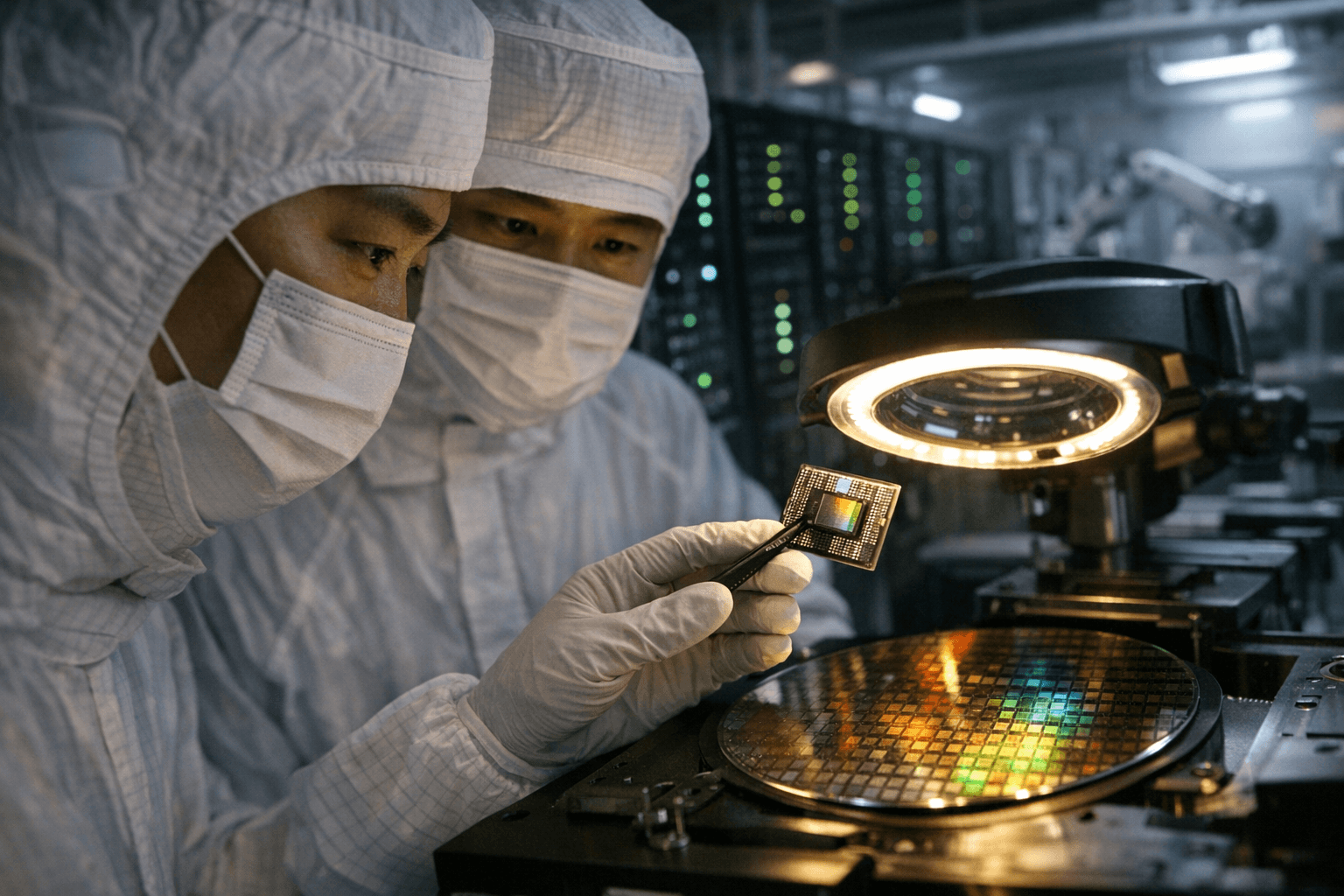
Analyst projections for Samsung Electronics and SK Hynix painted an unusually clear picture on Monday: both South Korean memory giants were on track to report record or near-record first-quarter operating profits, driven by structural demand for AI hardware that has tightened supply and elevated prices across DRAM and high-bandwidth memory markets.
Broker estimates compiled by Korean financial media pointed to Samsung's operating profit potentially reaching unprecedented quarterly highs. SK Hynix, a recognized leader in HBM supply and a key partner to Nvidia in the AI accelerator supply chain, was projected to post similarly robust numbers. The catalyst in both cases was the same: hyperscalers and cloud providers have been contracting memory at scale, locking in long-term binding supply commitments that insulated manufacturers from the spot-market volatility that has historically whipsawed the sector.
The market read the signal quickly. Samsung shares gained ahead of the company's formal earnings guidance, helping lift South Korea's KOSPI benchmark index as investors positioned around the sector's expected leadership.
The surge in demand traces directly to the generative AI buildout. Training and deploying large language models requires enormous volumes of DRAM and specialized HBM, and the pace of infrastructure investment by major cloud operators has not slowed. One analyst told reporters that "AI demand is not just cyclical; it is structural," arguing that chip manufacturers with dedicated HBM capacity would benefit disproportionately relative to conventional memory producers.
What separates this cycle from prior memory booms is the contract structure. Rather than riding spot-price swings, Samsung and SK Hynix secured long-term supply agreements that provide revenue visibility unusual for an industry accustomed to boom-and-bust dynamics. HBM, which commands a significant price premium over standard DRAM, has emerged as the margin driver behind the elevated profit forecasts.
If the April results confirm the projected records, the ripple effects would extend well beyond Seoul. Confirmed blockbuster earnings could accelerate capital allocation decisions across both firms, including factory expansions, semiconductor equipment orders, and potential M&A activity. Global electronics suppliers and component markets would feel the downstream effects, and the results would sharpen ongoing policy debates around semiconductor supply chains in the United States, Europe, and Asia.
Risks remain real and well-flagged. Memory markets have historically been among the most volatile in technology, and analysts cautioned that oversupply, a sudden shift in AI model architectures, or policy shocks such as export controls or tariffs could quickly moderate the current trajectory. Regulatory and political scrutiny, analysts noted, would likely intensify if profit results came in as strong as projected, given the strategic importance of semiconductor supply to multiple governments.
Samsung and SK Hynix are expected to provide formal earnings disclosures in the coming days, with investors focused closely on capital-spending guidance that will determine whether the AI-driven memory cycle has the durability to permanently reshape these companies' revenue profiles.
This article was produced by Prism’s automated news system from verified source data, official records, and press releases, then run through automated quality and moderation checks before publishing. The system is built and supervised by the people who set the standards it runs under. Read our full AI policy.
Did this article answer your question?
%3Amax_bytes(150000)%3Astrip_icc()%2FCertificate-of-deposit-2301f2164ceb4e91b100cb92aa6f868a.jpg&w=1920&q=75)