Oakland, San Francisco settle airport naming fight, ending two-year dispute
Oakland kept the San Francisco name in a narrowed form, but lost the right to boost it in search and marketing. The deal ends a branding war over Bay Area travelers.
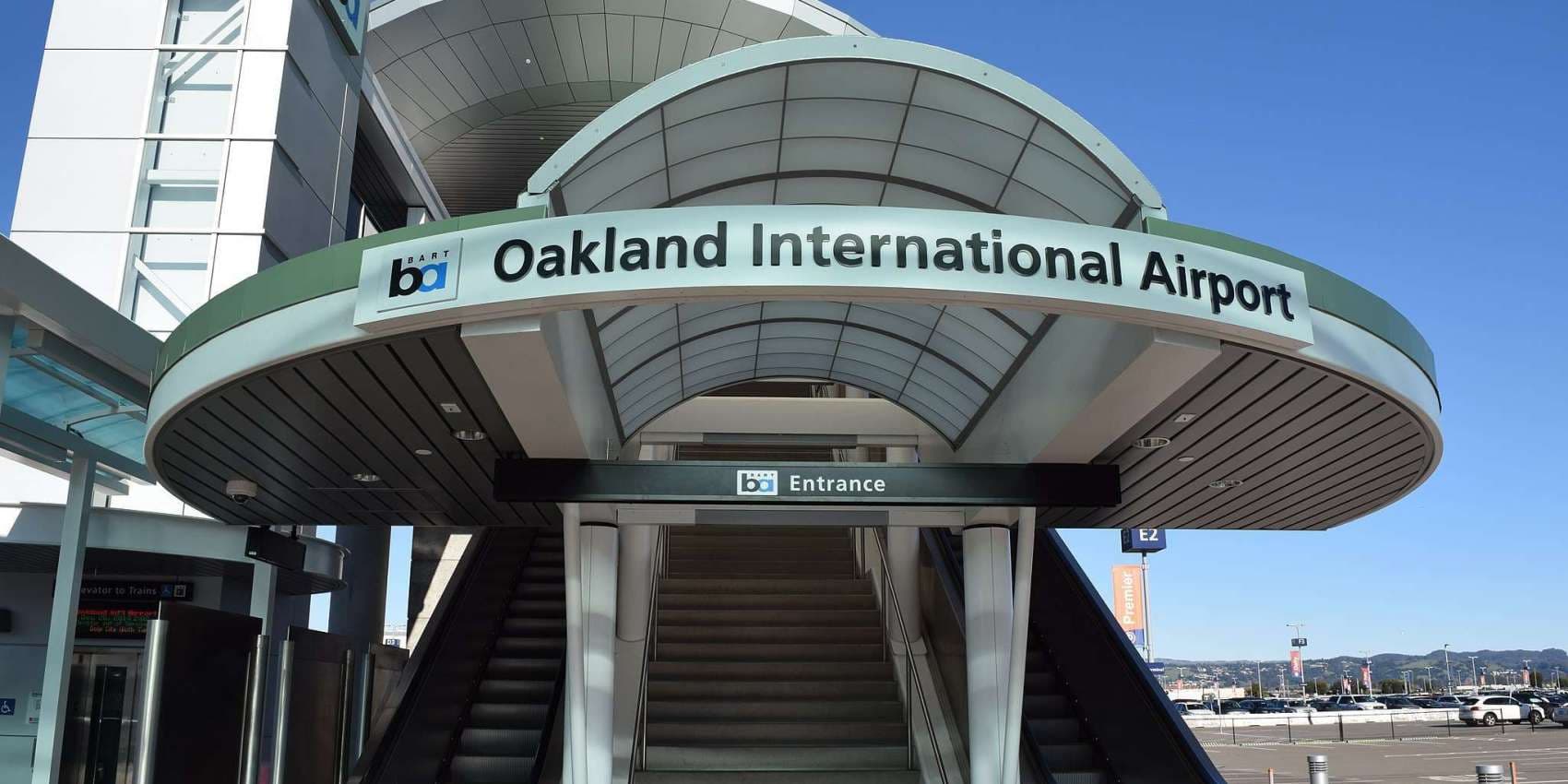
Oakland and San Francisco ended a bruising airport naming fight that was never just about a sign on a terminal. At stake was who gets to own the first impression in the Bay Area’s crowded air-travel market, where a name can shape search results, traveler assumptions and the flow of bookings.
The settlement, announced April 28, let the Port of Oakland keep using Oakland San Francisco Bay Airport and retain its current IATA code, OAK. It also closed out San Francisco’s lawsuit, Oakland’s counterclaim and Oakland’s appeal, ending a two-year dispute that began after Oakland first rebranded as San Francisco Bay Oakland International Airport in 2024. A federal district judge later issued a preliminary injunction in November 2024, and Oakland shifted again to its current name while the case continued.
Under the agreement, Oakland cannot make “San Francisco” more prominent than “Oakland” in any displays or marketing materials. It is also barred from using alternative names including San Francisco Bay Oakland International Airport and Oakland San Francisco International Bay Airport. The Port must notify airlines, transit operators and regulators that Oakland San Francisco Bay Airport is the proper name to use, and it must steer clear of search keywords such as San Francisco Airport, SF Airport and San Francisco International Airport.
The practical effect is straightforward for passengers and airlines: the naming war will no longer spill as aggressively into booking channels, advertising and wayfinding. For Oakland, the compromise preserves a longer name that signals geographic reach into the broader region. For San Francisco, it keeps the larger airport’s trademark and reduces the risk that travelers looking for San Francisco International Airport will be funneled toward Oakland by search-engine tactics.

San Francisco City Attorney David Chiu said the city was pleased the agreement achieved Oakland’s goals while protecting the San Francisco International Airport trademark. SFO Director Mike Nakornkhet said the deal provides clarity for travelers and lets San Francisco’s airport keep focusing on its travel experience.
The scale gap helps explain why the branding fight mattered so much. Oakland Airport handled more than 10.8 million passengers in 2024, down 3.7 percent from 2023. San Francisco International Airport carried 54.1 million passengers in fiscal year 2025 and offered nonstop service to 58 international destination airports and 86 domestic destination airports. In a region where airports compete as much on identity as on runways and gates, the settlement redraws the lines without ending the rivalry.
This article was produced by Prism’s automated news system from verified source data, official records, and press releases, then run through automated quality and moderation checks before publishing. The system is built and supervised by the people who set the standards it runs under. Read our full AI policy.
Did this article answer your question?