OECD says industrial subsidies surge to post-crisis highs, led by China
Industrial subsidies hit 1.3% of firm revenue in 2024, with China getting three to eight times more support than OECD peers and driving a new trade fight.
Government aid to industry has surged back to levels not seen since the global financial crisis, and China is the biggest force behind the rebound. The OECD said subsidies reached 1.3% of firm revenue, or $108 billion, in 2024 across 525 of the world’s largest industrial firms, making it the second-highest level on record relative to revenue after the 2009 crisis spike.
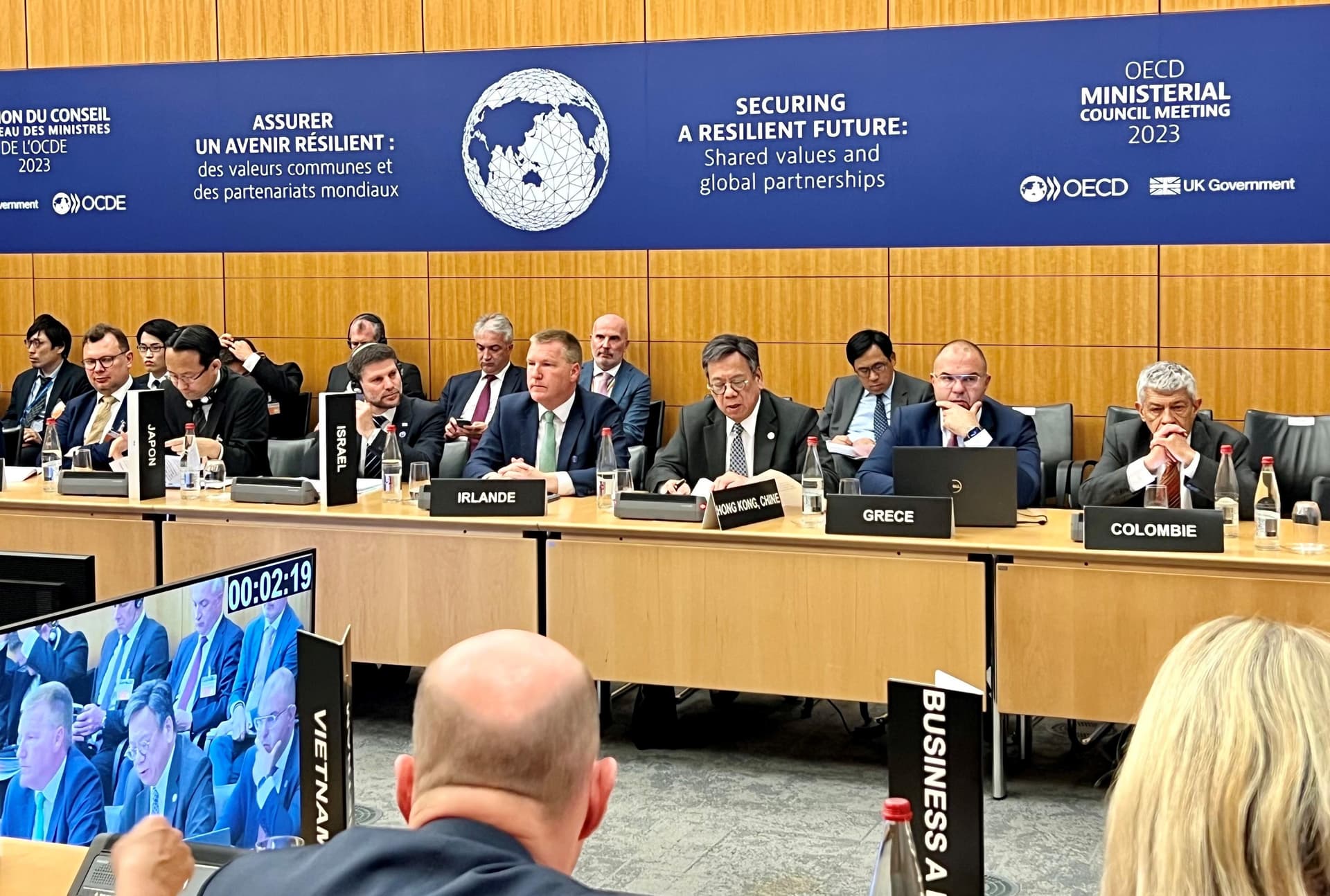
The numbers land as trade ministers prepare for the OECD Ministerial Council Meeting in Paris on June 3 and 4, chaired by Finland with Korea and New Zealand as vice-chairs. Under the theme “Getting Industrial Policies Right for Open Markets, Growth and Prosperity,” the gathering is set to sharpen a debate that has moved from the margins of industrial policy to the center of competition law, supply-chain security and trade diplomacy.

The OECD’s new Manufacturing Groups and Industrial Corporations, or MAGIC, database is designed to show what firms actually receive, not just what governments say they provide. It tracks grants, tax concessions and below-market finance across 15 key sectors from 2005 through 2024. Over that period, Chinese firms received on average three to eight times more government support than firms in OECD countries, depending on the region, underscoring why Western officials and companies have long argued that Chinese industrial policy tilts the playing field.
The subsidy surge is not just a China story, but China is the clearest outlier in scale and impact. The OECD said around 22% of global market-share gains by firms that expanded over the past two decades can be linked to subsidies, rising to 60% for Chinese firms. That matters because the OECD found subsidies lifted firms’ market share without producing significant gains in productivity or profitability, a pattern that can feed overcapacity and push down global prices.
Mathias Cormann, the OECD secretary-general, cast the issue as a competition problem rather than a narrow trade dispute. “Subsidies increased market share but that did not lead to significant gains in productivity or profitability,” he said, warning that large and persistent aid can distort markets and create unfair competitive advantages. The sectors with the heaviest subsidy concentrations over the 2005 to 2024 period included solar panels, semiconductors, aluminum, steel and shipbuilding, all areas where governments are now racing to secure supply chains and industrial capacity.
The latest OECD data points to a structural shift in world commerce: subsidy competition is no longer a temporary response to crisis, but a lasting feature of industrial strategy. As Europe, Asia and North America try to protect strategic industries without breaking trade rules, the new arms race is likely to define the next phase of global competition.
This article was produced by Prism’s automated news system from verified source data, official records, and press releases, then run through automated quality and moderation checks before publishing. The system is built and supervised by the people who set the standards it runs under. Read our full AI policy.
Did this article answer your question?