Officials say Iran could retrieve uranium at Isfahan site bombed last year
U.S. and international officials say the location and fate of Iran’s highly enriched uranium from the Isfahan strike remain unverified, reopening proliferation and verification risks.
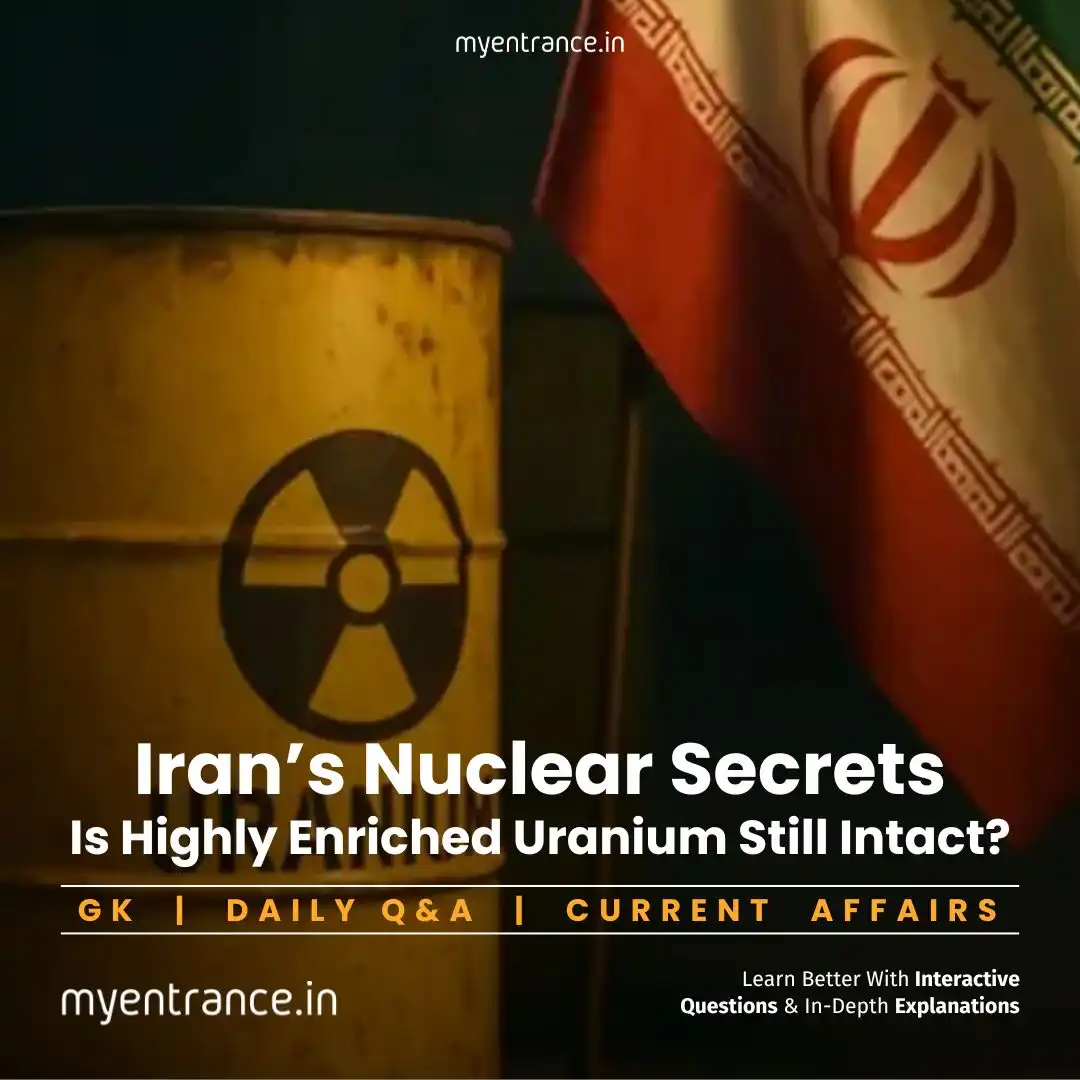
White House and international monitors remain sharply divided over whether Iran’s stocks of highly enriched uranium survived Operation Midnight Hammer, the U.S.-led strikes that targeted Fordow, Natanz and Isfahan in June 2025. The disagreement has left the critical question of where Iran’s HEU now sits unresolved and raised the prospect that Tehran could resume enrichment within months.
The White House has repeatedly called the operation “an overwhelmingly successful mission” and said the attack “did, in fact, obliterate Iran’s nuclear facilities,” language delivered by Karoline Leavitt as the administration defended its use of deep-penetration munitions. President Donald Trump declared on June 21 that the United States had conducted a “very successful attack” on three Iranian nuclear sites.
Yet the International Atomic Energy Agency and U.S. officials have offered more cautious assessments. IAEA Director General Rafael Grossi said Iran’s facilities were “severely damaged” but warned Tehran could resume uranium enrichment “in a matter of months,” and he has pressed for inspectors to return to verify inventories. Grossi also noted Iran retains the “industrial and technological capabilities” to rebuild damaged infrastructure.
U.S. officials, including those at the Pentagon, initially estimated the strikes set back Iran’s program by one to two years. At the same time Vice President JD Vance conceded in an interview that Washington does not know whether the strikes destroyed stocks of uranium enriched to near-weapons-grade levels. That admission underscores persistent gaps in verification, officials say, because IAEA inspectors have been denied access to the struck sites; Iran’s U.N. ambassador, Amir Iravani, has said the IAEA “cannot have access” to Iran’s nuclear sites.
Intelligence assessments compiled immediately after the strikes found much of the damage concentrated on aboveground infrastructure used to convert uranium into metal and on power systems, while centrifuges and stored enriched material may have survived or been moved before munitions struck. U.S. intelligence had for years been tracking deep tunnels and reinforced vaults at Natanz and Isfahan; analysts knew parts of those complexes were likely beyond the reach of the 30,000-pound GBU-57 bunker-buster bombs used in the operation. B-2 bombers and Tomahawk cruise missiles were employed in combinations meant to reach buried targets and destroy surface conversion facilities.
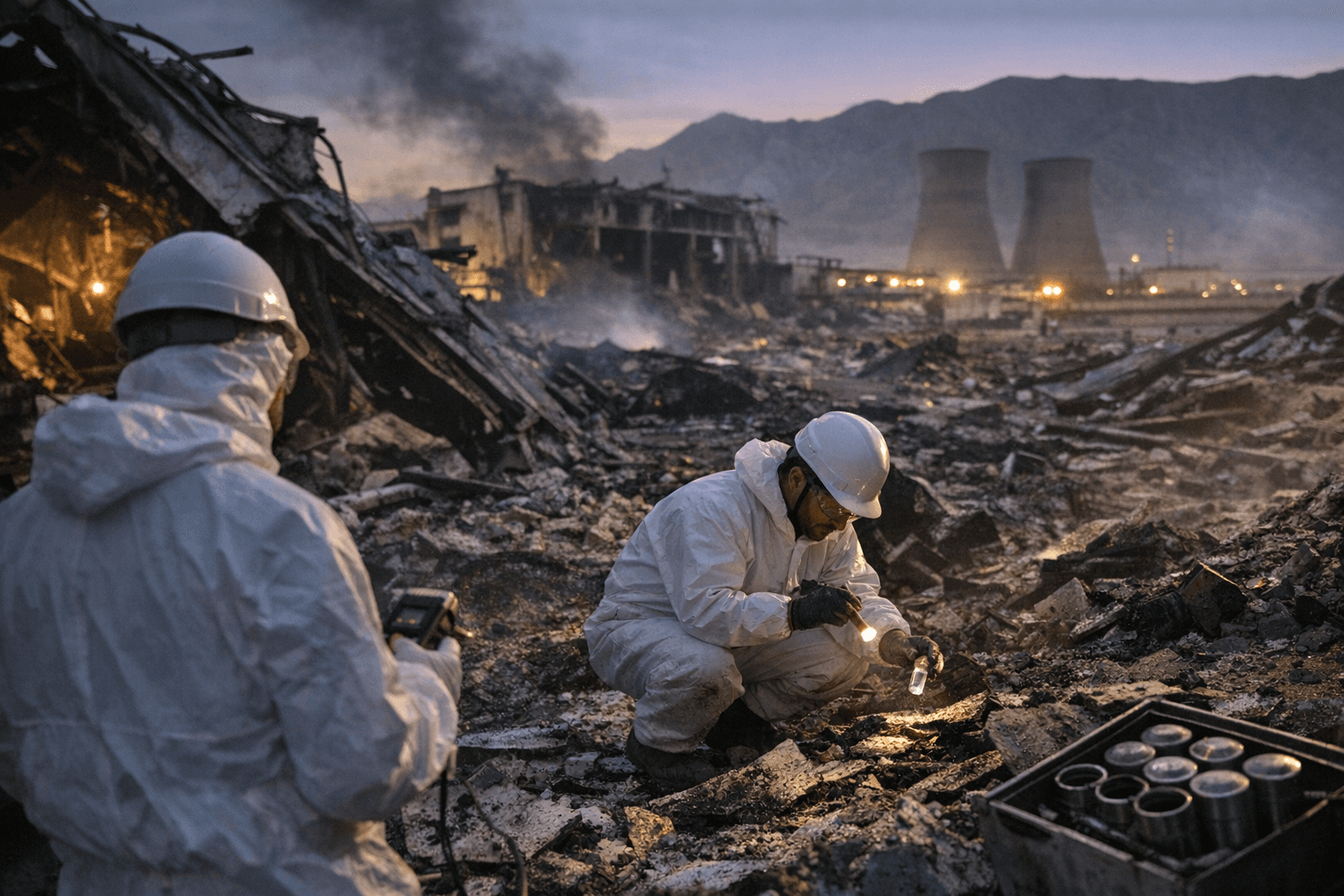
The strategic question now centres on the Isfahan conversion and metal production facility. Secretary of State and interim national security advisor Marco Rubio argued on CBS News that destroying that conversion capability matters because “Iran can’t do a nuclear weapon without a conversion facility.” Israeli officials, by contrast, tell U.S. counterparts they believe at least some HEU remains intact but buried beneath Isfahan; Israel considers the material effectively unreachable and says it will strike again if Iran attempts to dig it up.
The dispute over the fate of the material has diplomatic as well as military consequences. Iran’s government acknowledged Fordow, Isfahan and Natanz were “seriously damaged,” yet Tehran has said it could accept minimal enrichment under strict IAEA supervision for sanctions relief. Meanwhile, Washington renewed threats to prevent Iran from rebuilding its nuclear and missile capabilities following high-level Israeli diplomacy late last year, and both sides continue parallel channels of negotiation.
Without independent IAEA verification, the unresolved whereabouts of enriched uranium weakens arms control norms and raises the risk of renewed strikes. The missing material, officials warn, is now the most consequential unknown emerging from an operation once hailed as decisive.
This article was produced by Prism’s automated news system from verified source data, official records, and press releases, then run through automated quality and moderation checks before publishing. The system is built and supervised by the people who set the standards it runs under. Read our full AI policy.
Did this article answer your question?

