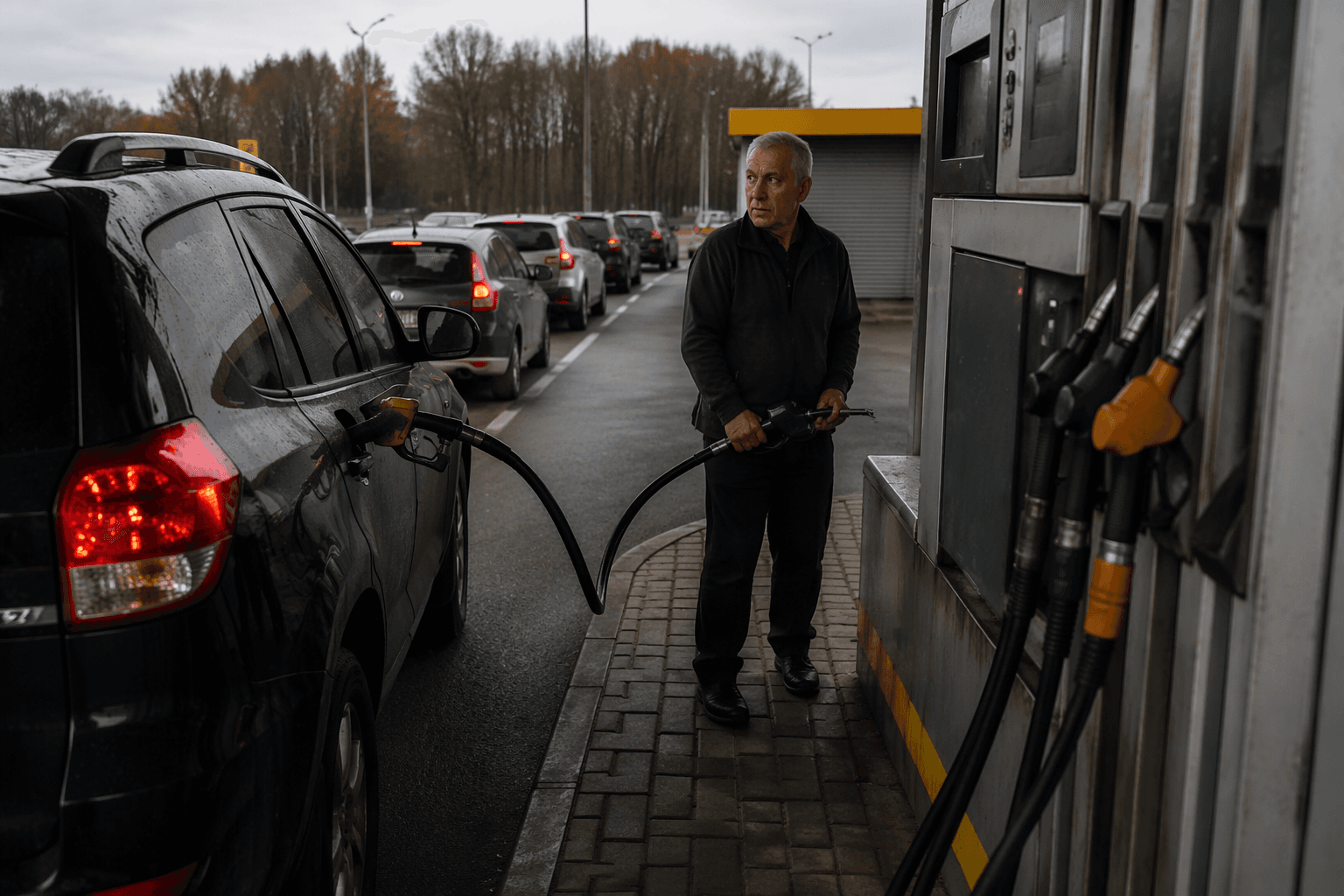
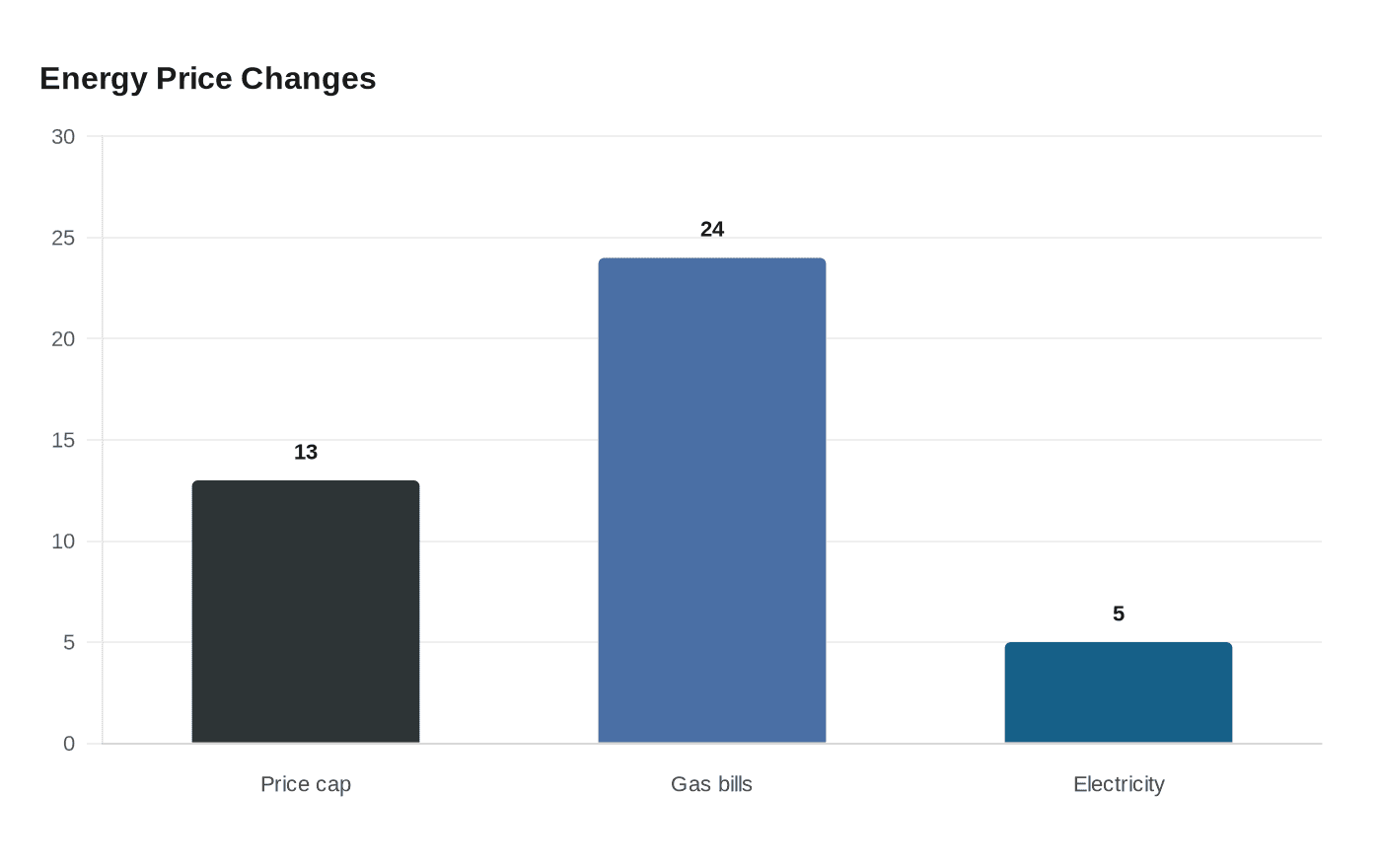
Ofgem raises energy price cap by 13%, bills to rise £221 a year
Ofgem’s new cap adds £221 to a typical annual bill as Middle East gas shocks push up household costs from July.

Households on default energy tariffs will pay £221 more a year from July after Ofgem raised the price cap by 13%, as higher wholesale gas prices from the Middle East conflict begin to feed into consumer bills.
The regulator said the cap will rise to £1,862 for the three months from 1 July to 30 September 2026, up from £1,641 in the April-to-June period. The increase applies to a typical household paying by direct debit in England, Scotland and Wales, and it takes effect through the maximum rates suppliers can charge per unit of gas and electricity, plus standing charges, for customers who have not signed a fixed-rate deal.
Ofgem said the shock is coming through global gas markets first. It said gas bills are rising by 24% under the new cap, while electricity prices are increasing by about 5%, reflecting stronger renewable generation and a reduced reliance on gas for power generation. The regulator said around 40% of accounts, or about 22 million customers, are on fixed tariffs and will not be affected by the price rise.
Tim Jarvis, Ofgem’s chief executive, said the change reflects continuing volatility in global energy markets and urged households to review their payment method and tariff. He said moving from standard credit to direct debit could save around £143 a year, and suggested customers consider fixed deals where appropriate.
The move lands after a brief fall in bills earlier in the spring, when the April-to-June cap dropped by £117 to £1,641. It also came in below some of the more severe forecasts that had circulated in recent months. Cornwall Insight had expected a smaller £209 rise, while earlier analyst warnings had pointed to a much sharper jump that could have taken annual bills to their highest level in three years.
The government said the cap protects households until the start of July, but warned that if wholesale gas prices stay high they could continue to affect bills later in the year. It said Britain’s long-term answer is more clean, homegrown power.
Even after the latest increase, the new cap leaves bills about £724 a year above the level households were paying before the energy crisis hit in autumn 2021, a rise of roughly 64%. For millions of families already stretched by food, housing and transport costs, the latest energy shock adds another layer to the cost-of-living squeeze just as the summer cooling season begins.
This article was produced by Prism’s automated news system from verified source data, official records, and press releases, then run through automated quality and moderation checks before publishing. The system is built and supervised by the people who set the standards it runs under. Read our full AI policy.
Did this article answer your question?